

Window and Door Insights by Five Seasons
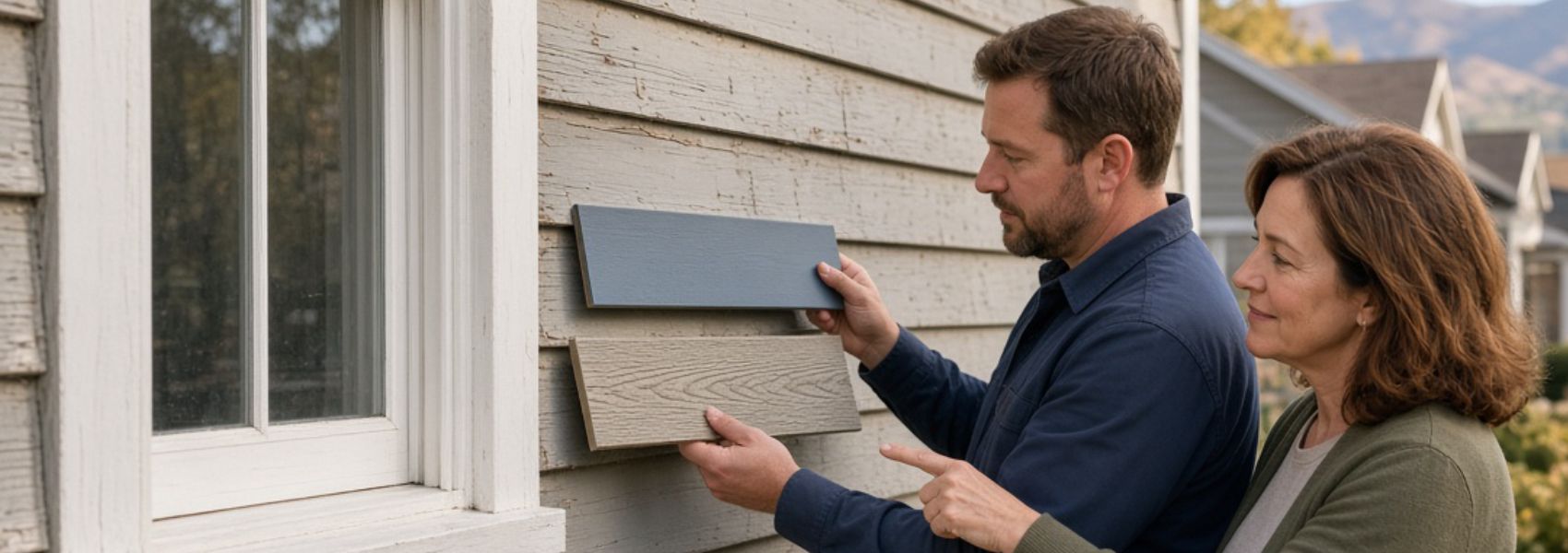
James Hardie vs. LP SmartSide for Colorado homes: fire ratings, hail coverage, HZ5 climate design, and warranty terms compared to help you choose the right siding.

Does a home warranty cover windows? Usually not. Learn which coverage applies to window problems: manufacturer, workmanship, or homeowners insurance in Colorado.

Replacing windows in a historic Denver home? How to navigate landmark review, match original windows, and meet the 2026 efficiency standard without losing character.
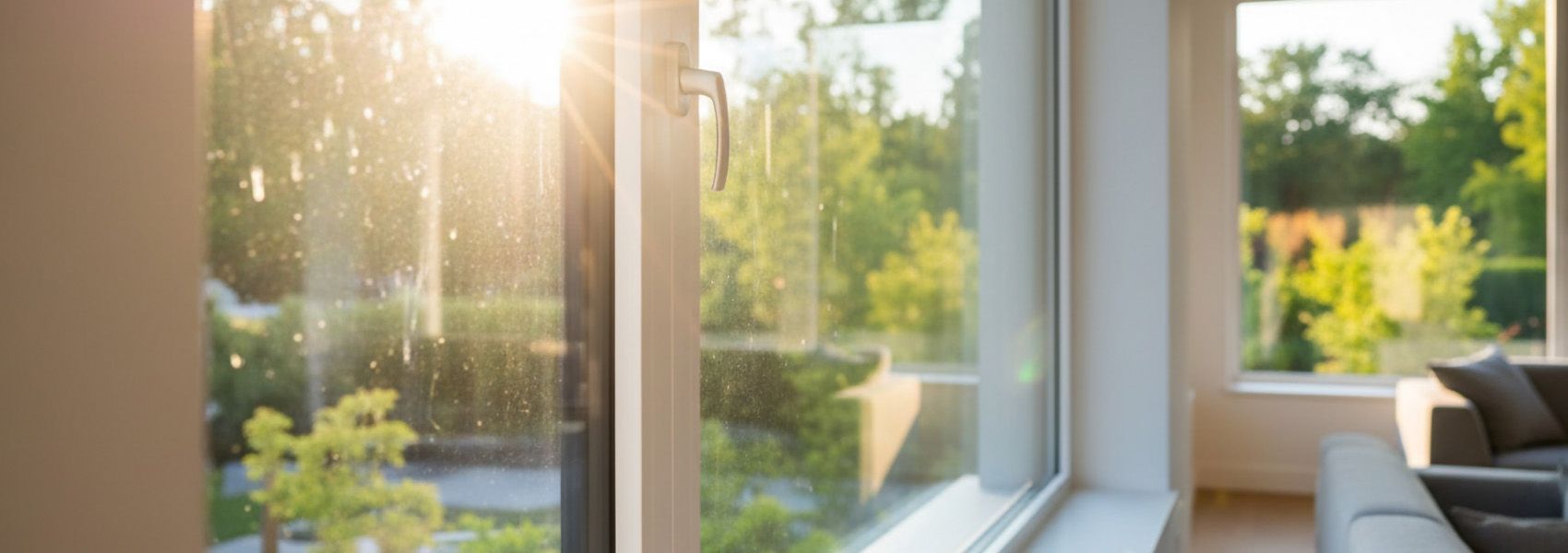
Low-E coated glass delivers energy savings and UV protection while maintaining natural light. Learn how this proven technology works and whether it's worth the investment.

Window replacement for mountain homes requires planning for altitude, wind, snow, and temperature swings. Learn key considerations for Colorado homeowners.
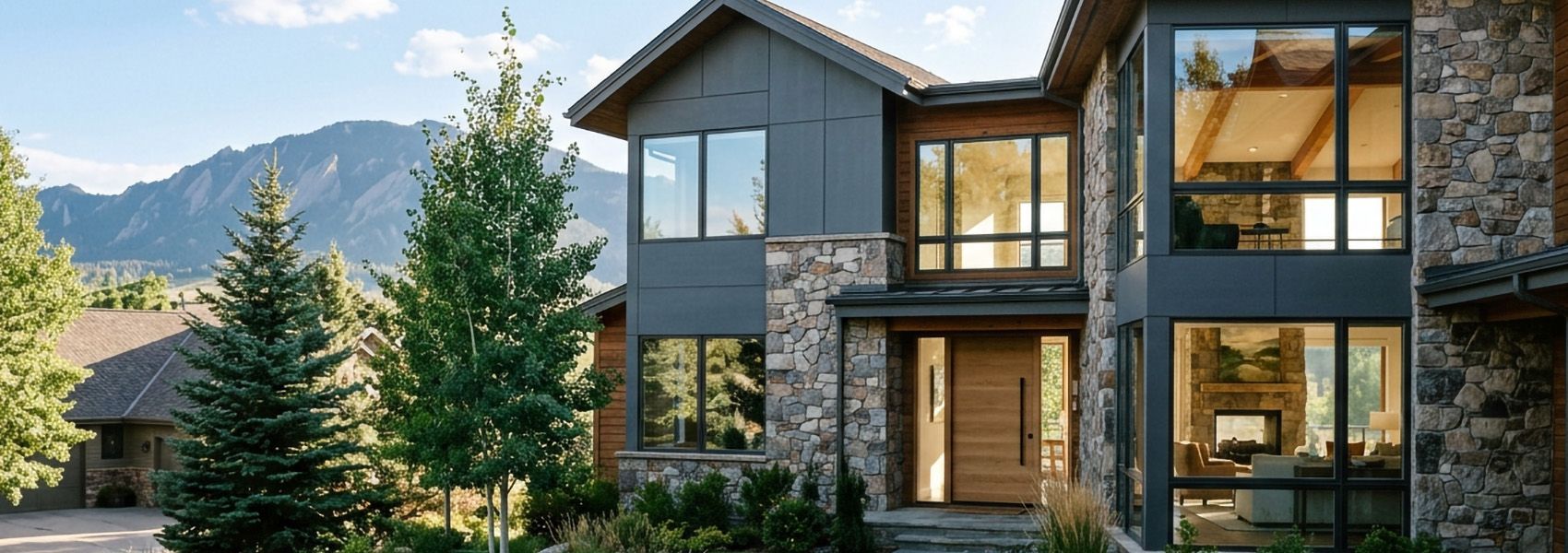
Why do windows bow at Denver's altitude? The truth about argon gas and breather tubes, the pressure problem at 5,280 feet, and how quality windows handle it.
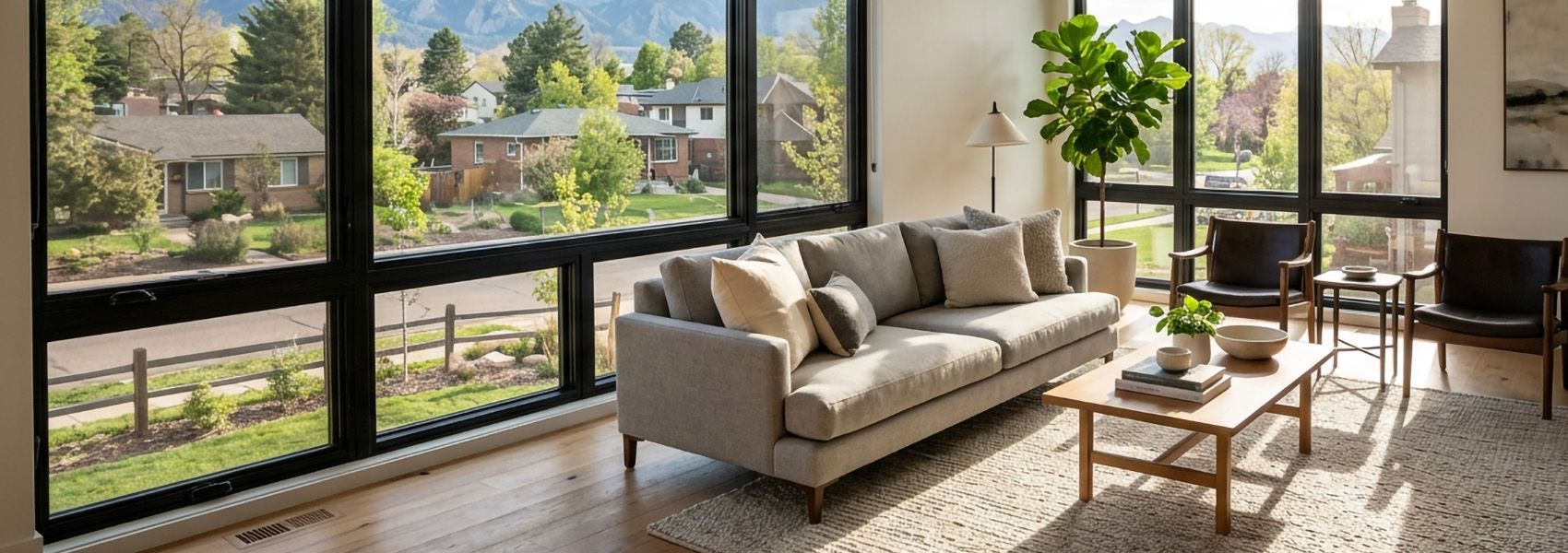
Learn to read NFRC labels for your Colorado home. Understand U-Factor vs. SHGC and how to choose the right ratings for south, east, west, and north-facing windows.
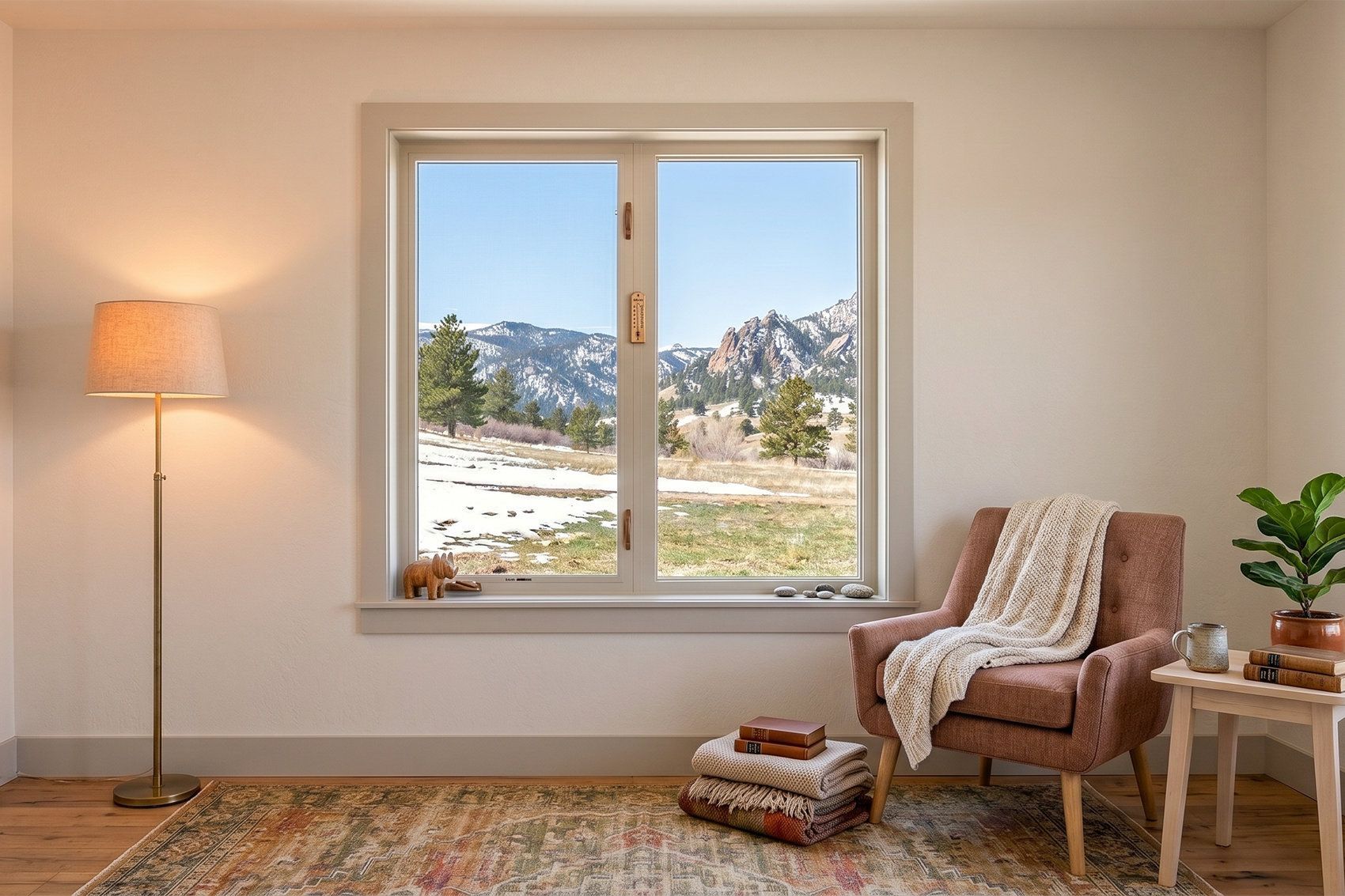
Both fiberglass and vinyl windows can survive Denver's dramatic temperature swings, but they handle the stress differently. Fiberglass has a very low rate of thermal expansion, close to that of glass itself, so the frame and the glass move together and the seal between them stays tight. Vinyl expands and contracts more, roughly three to four times as much as fiberglass, which over many years of repeated swings can put more stress on seals and corners. For a Denver home, fiberglass tends to have the edge in pure dimensional stability, while modern vinyl remains a durable, cost-effective option that is engineered to handle seasonal movement. The reason this matters in Denver specifically is the size and speed of the temperature changes here. The National Weather Service has recorded single-day temperature swings in Denver of more than 60 degrees, and 40-degree daily swings are an ordinary part of the calendar, especially in late winter and spring. Every one of those swings makes a window frame expand and then contract. The question is not whether a frame moves, because all of them do, but how much it moves and whether that movement strains the seal over time. According to the U.S. Department of Energy, frame material is one of the main factors in a window's overall thermal performance, which is part of why this comparison comes up so often for Colorado homeowners. This guide breaks down how each material behaves under Denver's freeze-thaw and warm-cold cycles, what that means for the seal, the energy performance, and the lifespan of the window, and how to think about the choice for your own home. The honest answer is that both materials work here, and the better pick depends on your priorities around budget, appearance, and long-term performance.
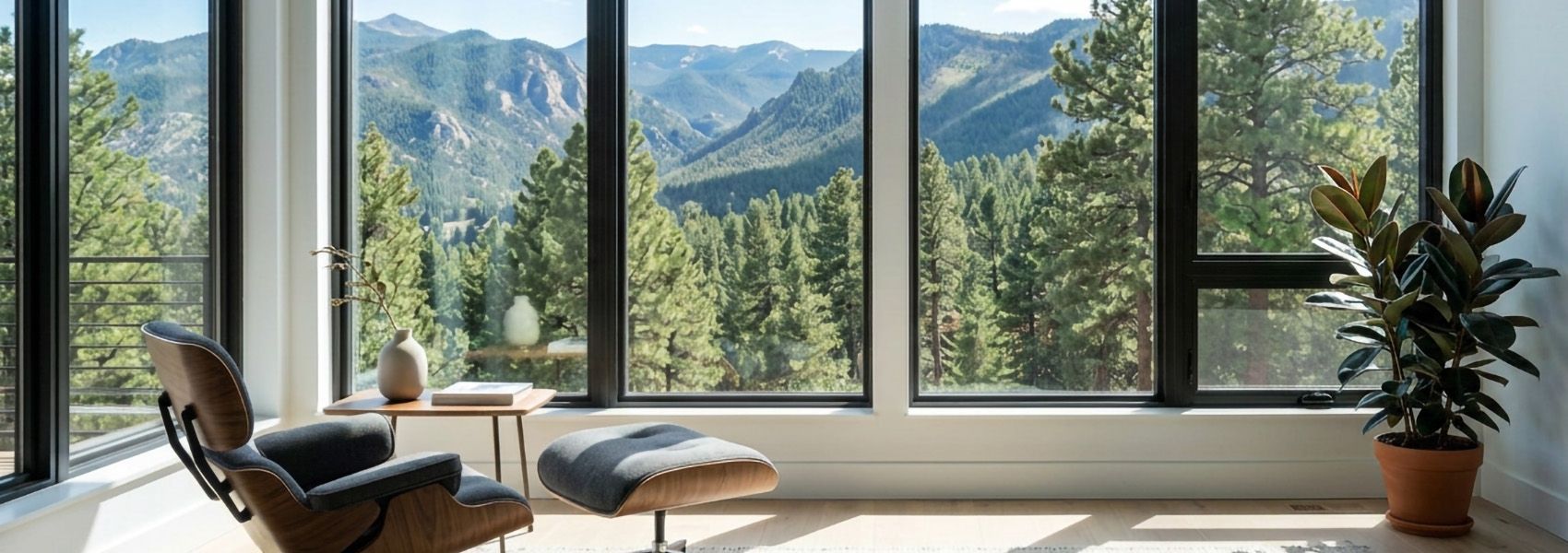
Low-E glass and Denver's high-altitude sun: how thin metallic-oxide coatings block UV and heat while keeping rooms bright. Match the right glass to your home.
Is triple-pane worth it for a Colorado home? Learn where a third pane earns its cost, why it underdelivers on noise, and when double-pane is the better value.
The federal 25C window tax credit ended December 31, 2025. Learn who can still claim it, why it expired early, and what incentives remain for Colorado homeowners.
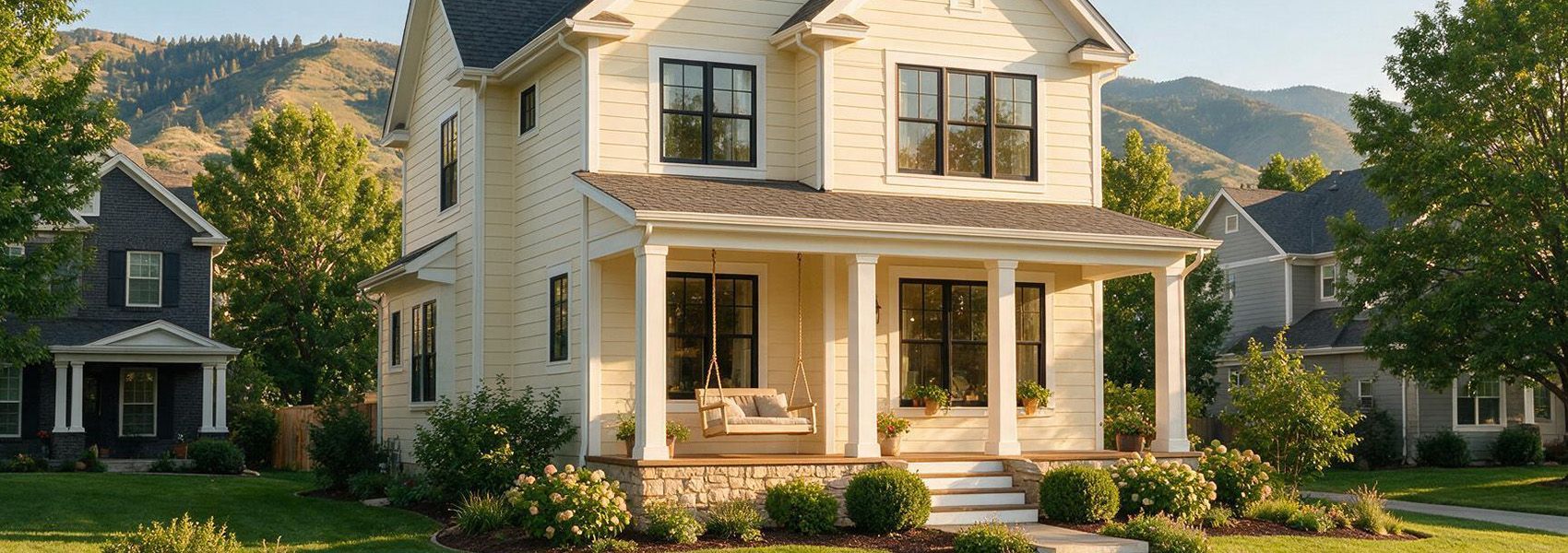
Cheap windows can cost more over time through higher energy bills and early replacement. Learn how total cost of ownership reveals real value for Colorado homes.
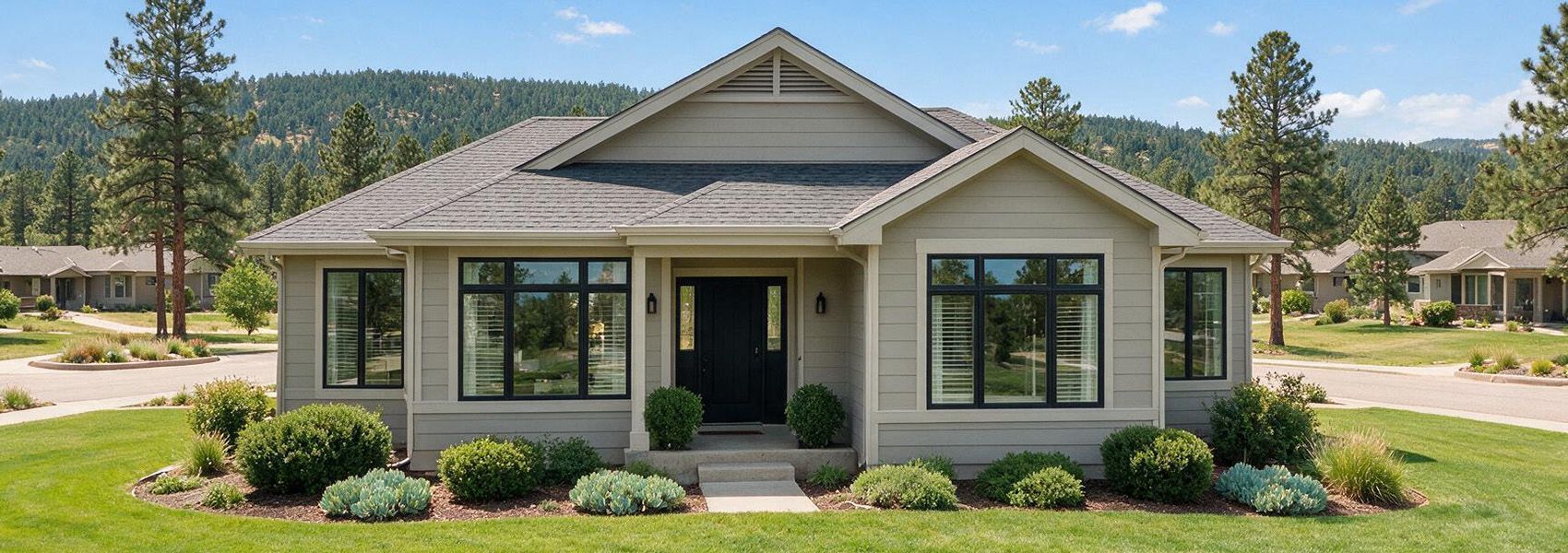
How do window frame materials affect wildfire safety in Colorado? Learn why fiberglass and clad wood outperform vinyl, plus what the state wildfire code requires.
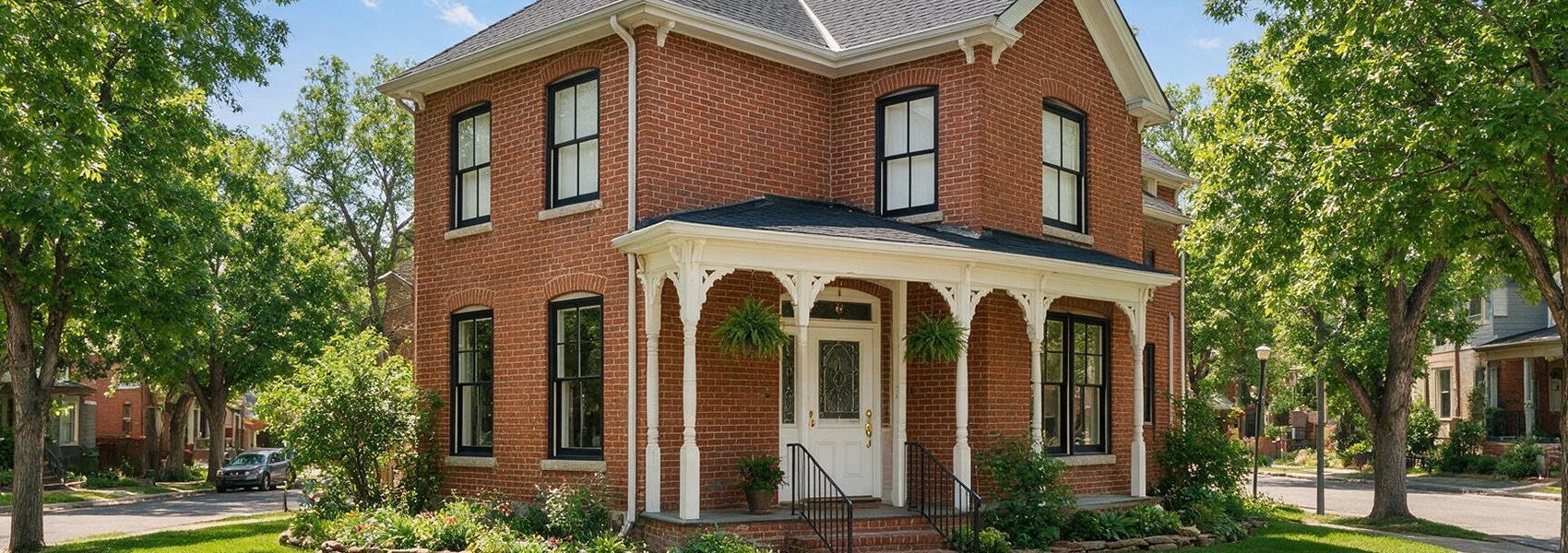
Replace historic home windows in Colorado while preserving Old Colorado character. Learn how fiberglass and simulated divided lites blend period looks with durability.
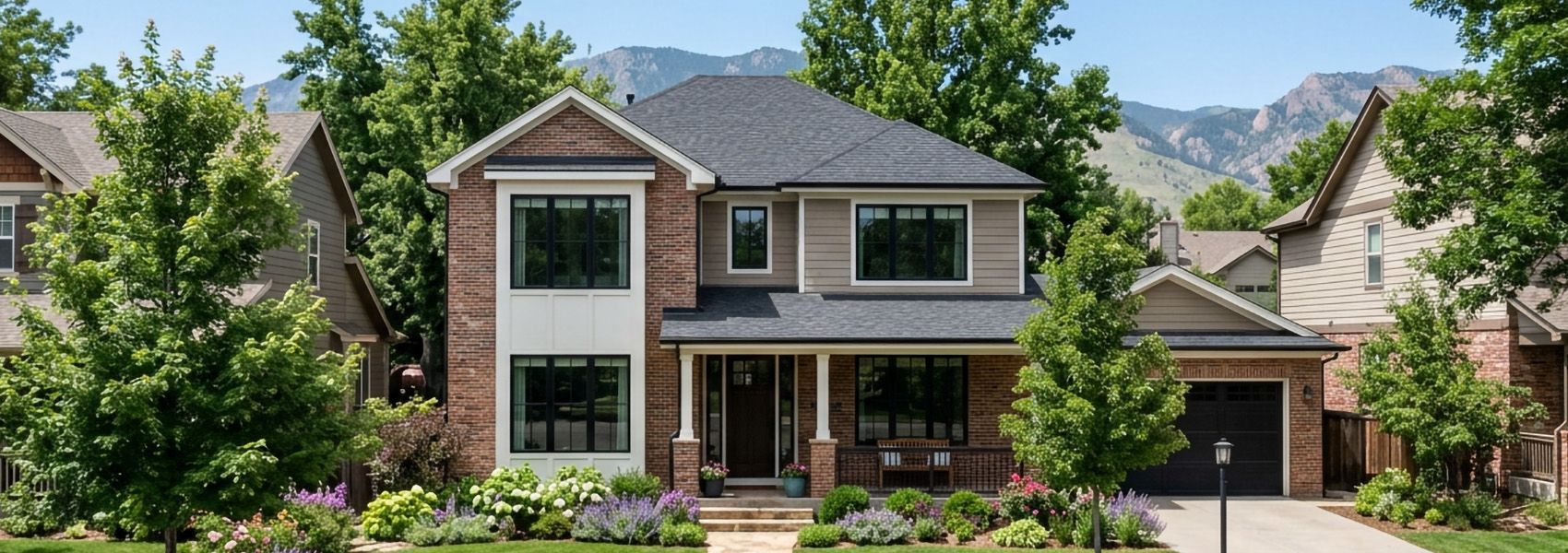
How do window needs change from Denver to Breckenridge? Learn why elevation affects pressure, snow loads, cold, and UV, and how to choose windows for your altitude.
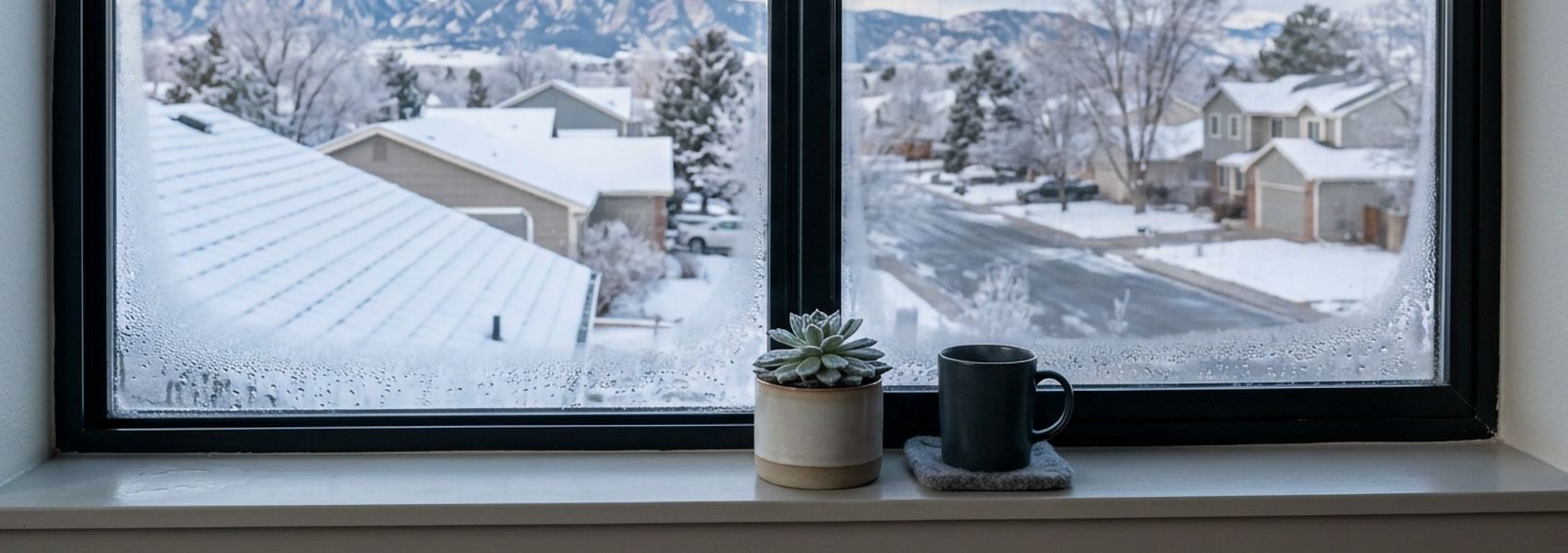
Is window condensation normal in Colorado? Learn the difference between interior sweat, exterior dew, and seal failure, and when the moisture on your glass matters.
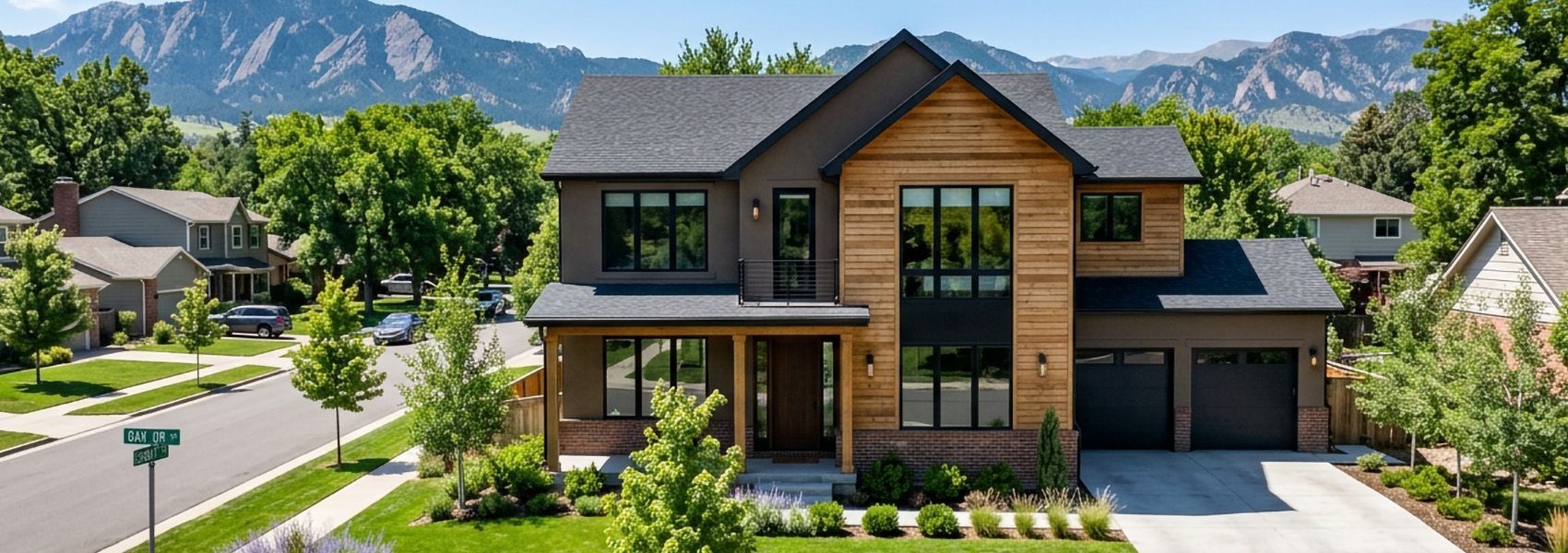
Learn why windows at 9,000 feet need capillary tubes to prevent glass bowing.
Understand high-altitude pressure equalization and the argon tradeoff for
Colorado homes.
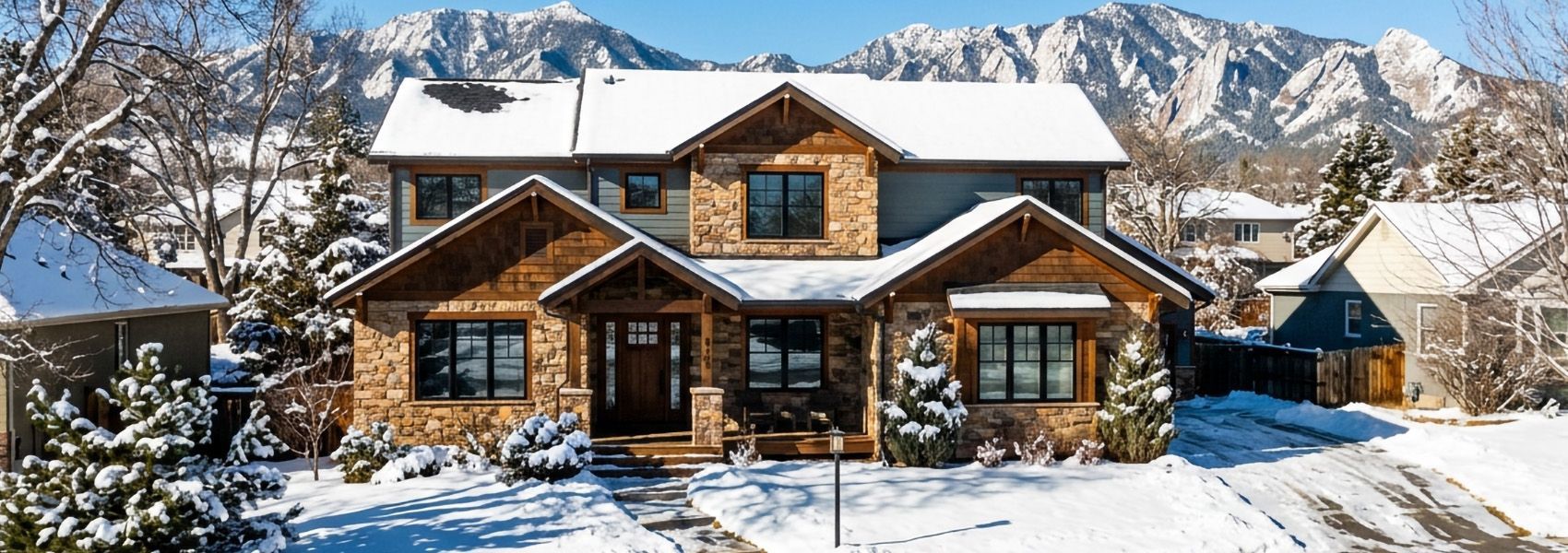
Learn the science of thermal expansion and why fiberglass outperforms vinyl in Colorado's extreme temperature swings. Compare window materials for lasting performance.
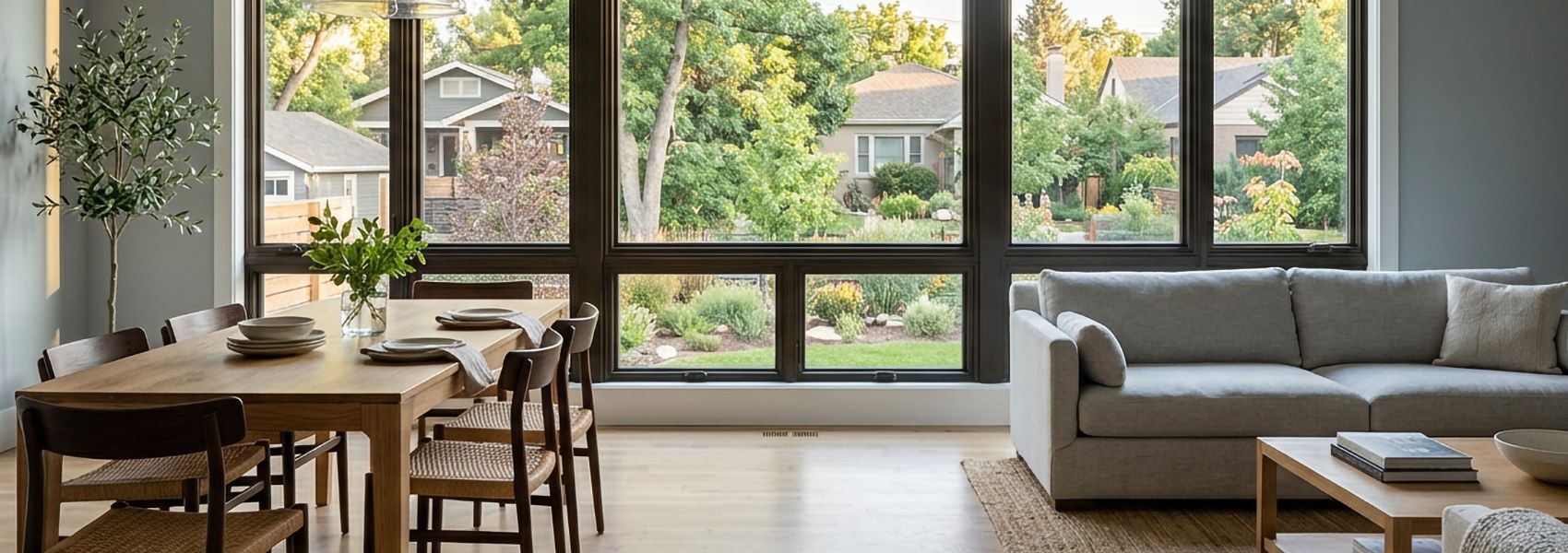
Window prices are rising into 2027 on tariffs and Colorado's efficiency mandate. Why buying now locks in today's cost and starts saving you money sooner.
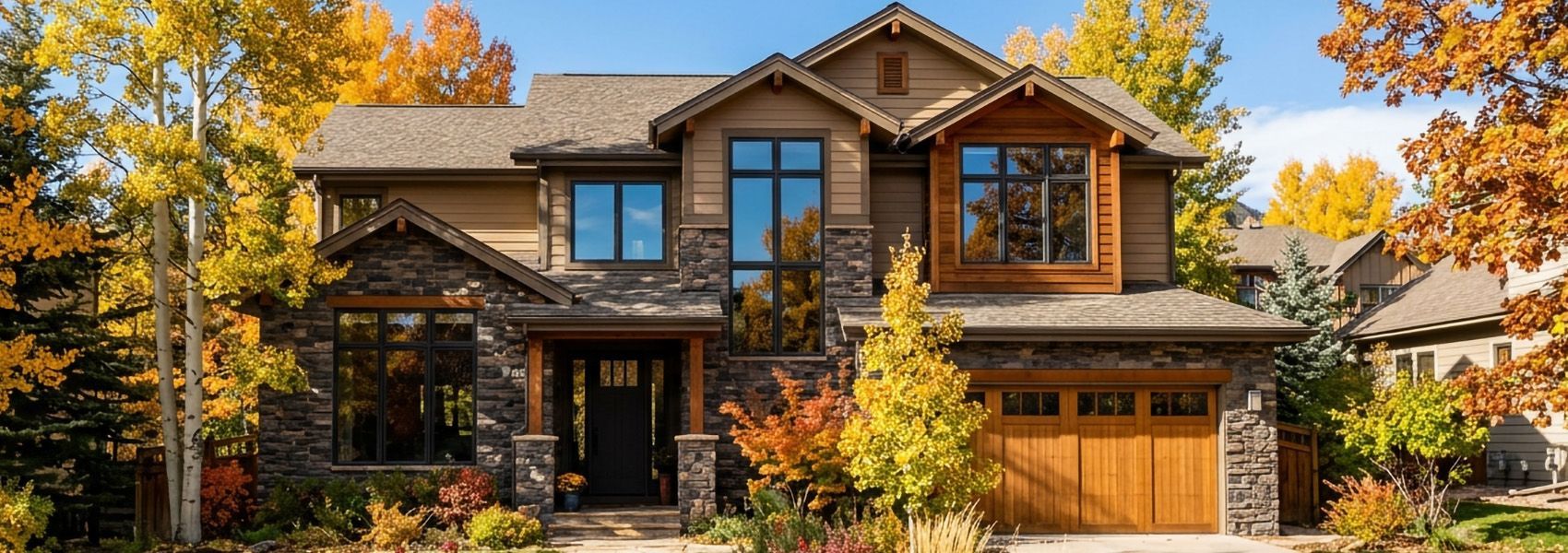
The best time to replace windows in Colorado is fall or winter. How off-season scheduling, pricing, and pre-winter efficiency make it the smart buyer's move.
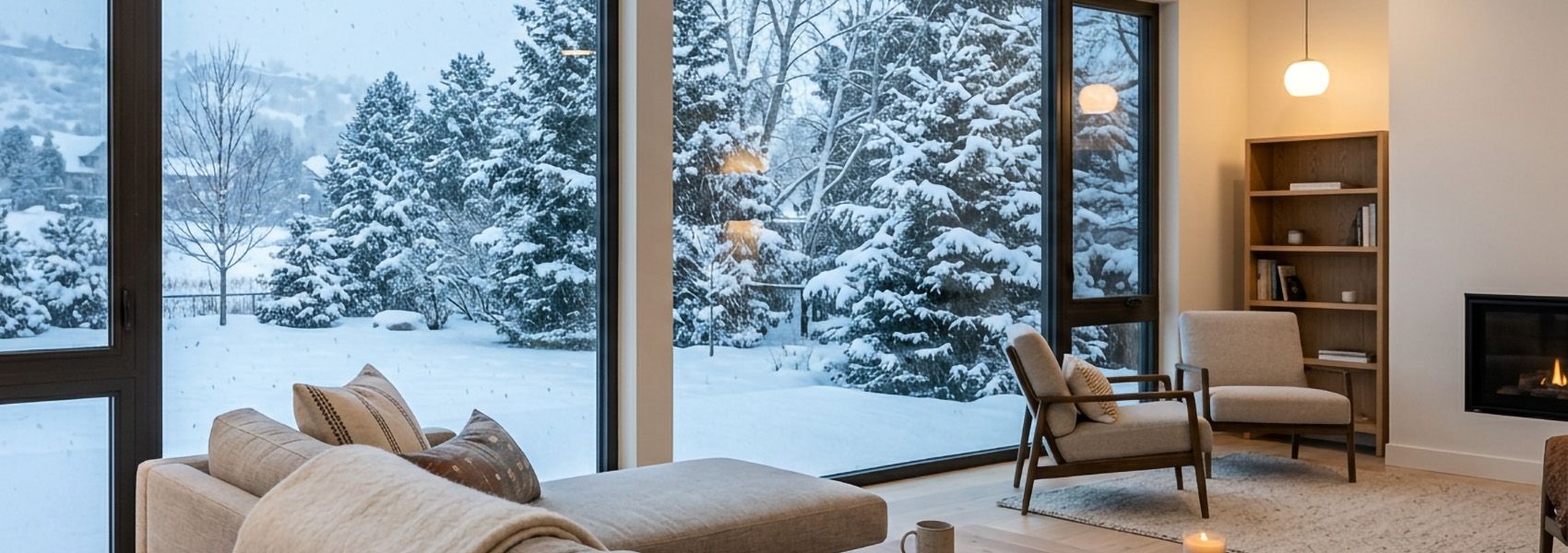
Energy Star 7.0 sets Colorado's window standard. How a 0.22 U-factor cuts winter heat loss, what you'll really save, and why fall is the time to upgrade.
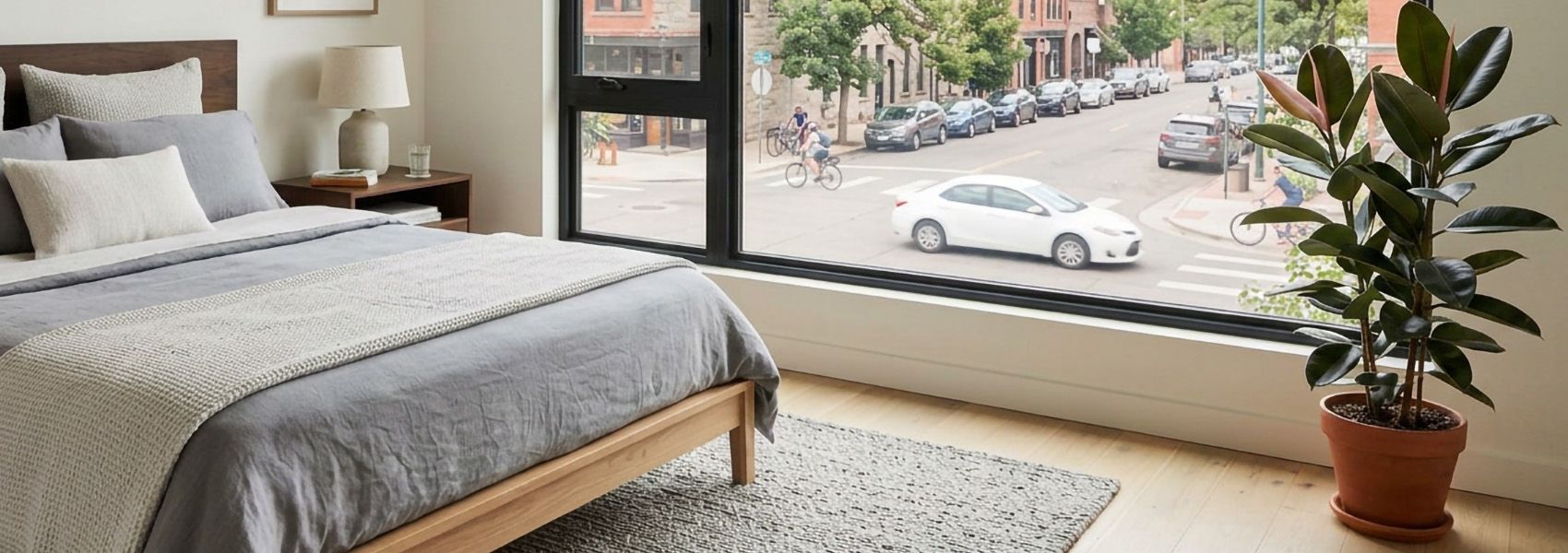
Best windows for soundproofing a Denver home: laminated glass, dissimilar panes, and the right install. Honest STC ratings and where to focus your budget.
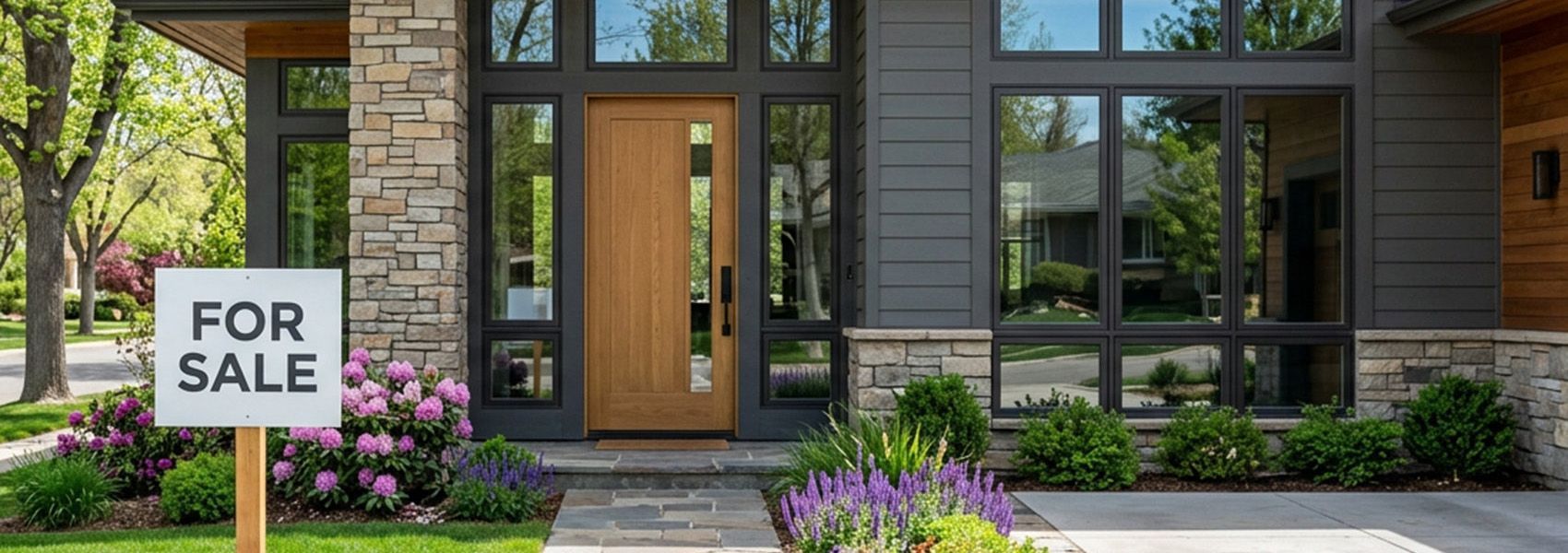
Selling a Denver home this spring? Focus on the curb appeal buyers notice first. Here's how windows, doors, and timing shape strong showings and faster offers.

Are your windows impact-resistant? Most Colorado homes' aren't. Learn how laminated impact glass protects against Front Range hail and how to prep for storm season.
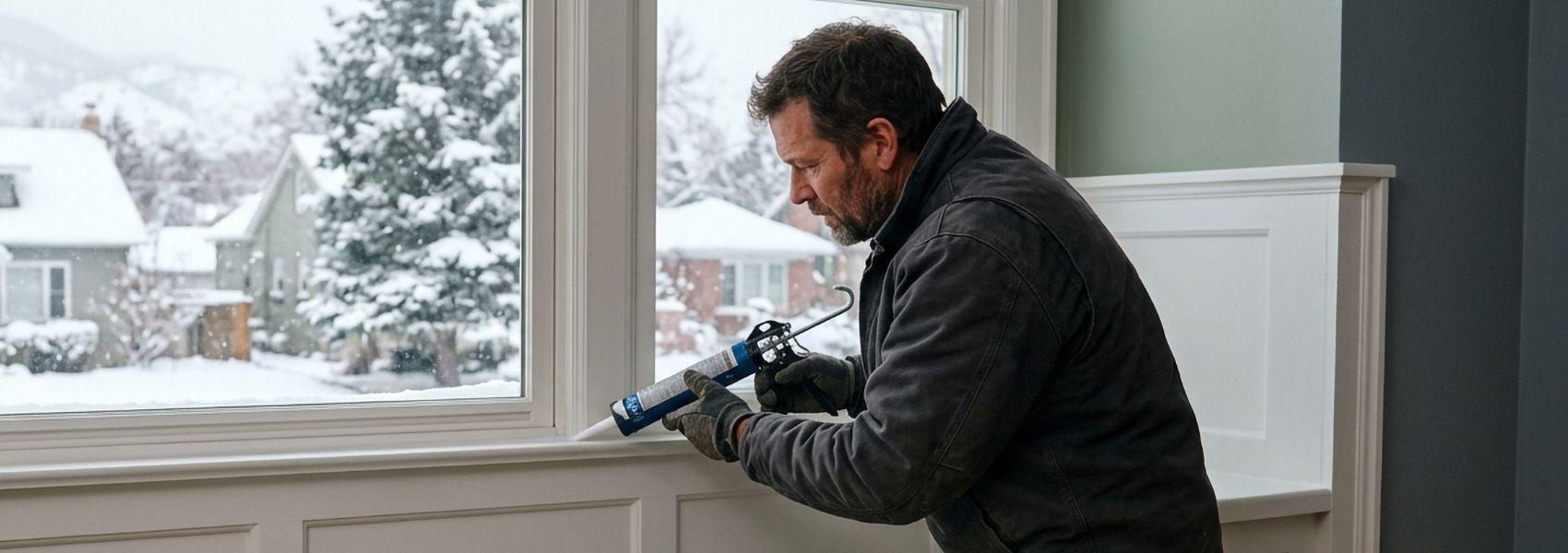
Can you replace windows in winter in Denver? Yes. Learn how cold-weather installation works, when a snowstorm delays the job, and why the off-season has real perks.
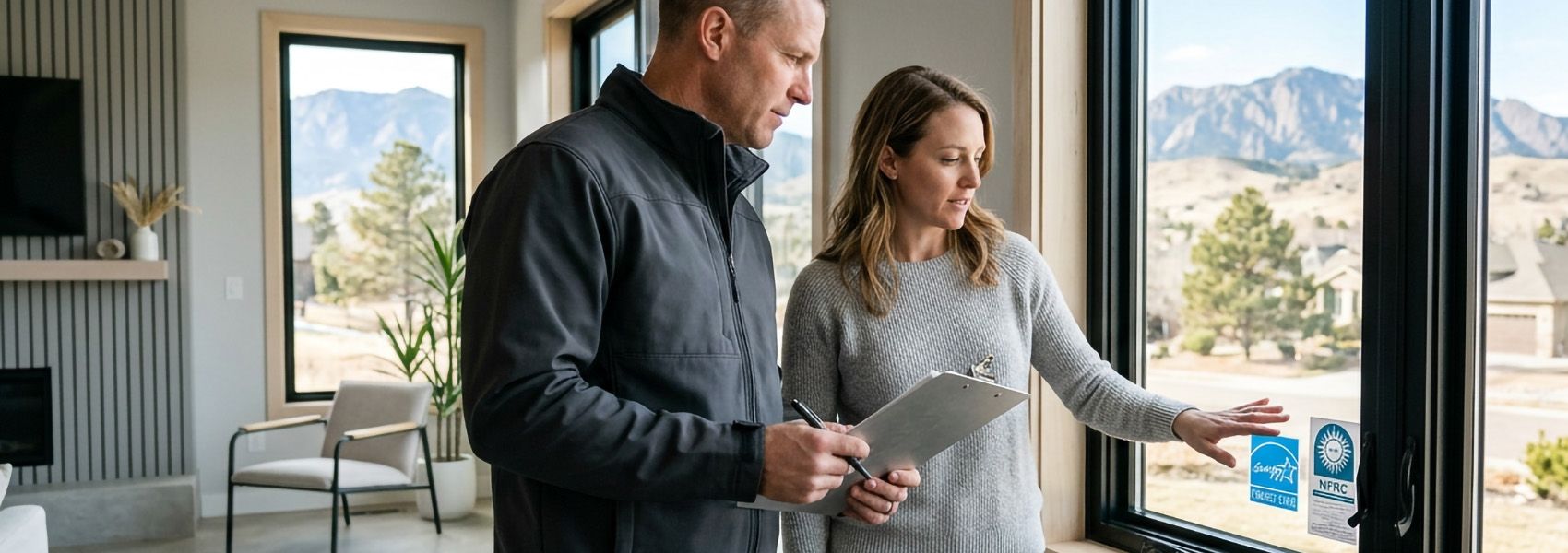
Colorado's new 2026 window laws under HB23-1161 require Energy Star Northern Climate Zone certification. Here's what homeowners need to know before buying.
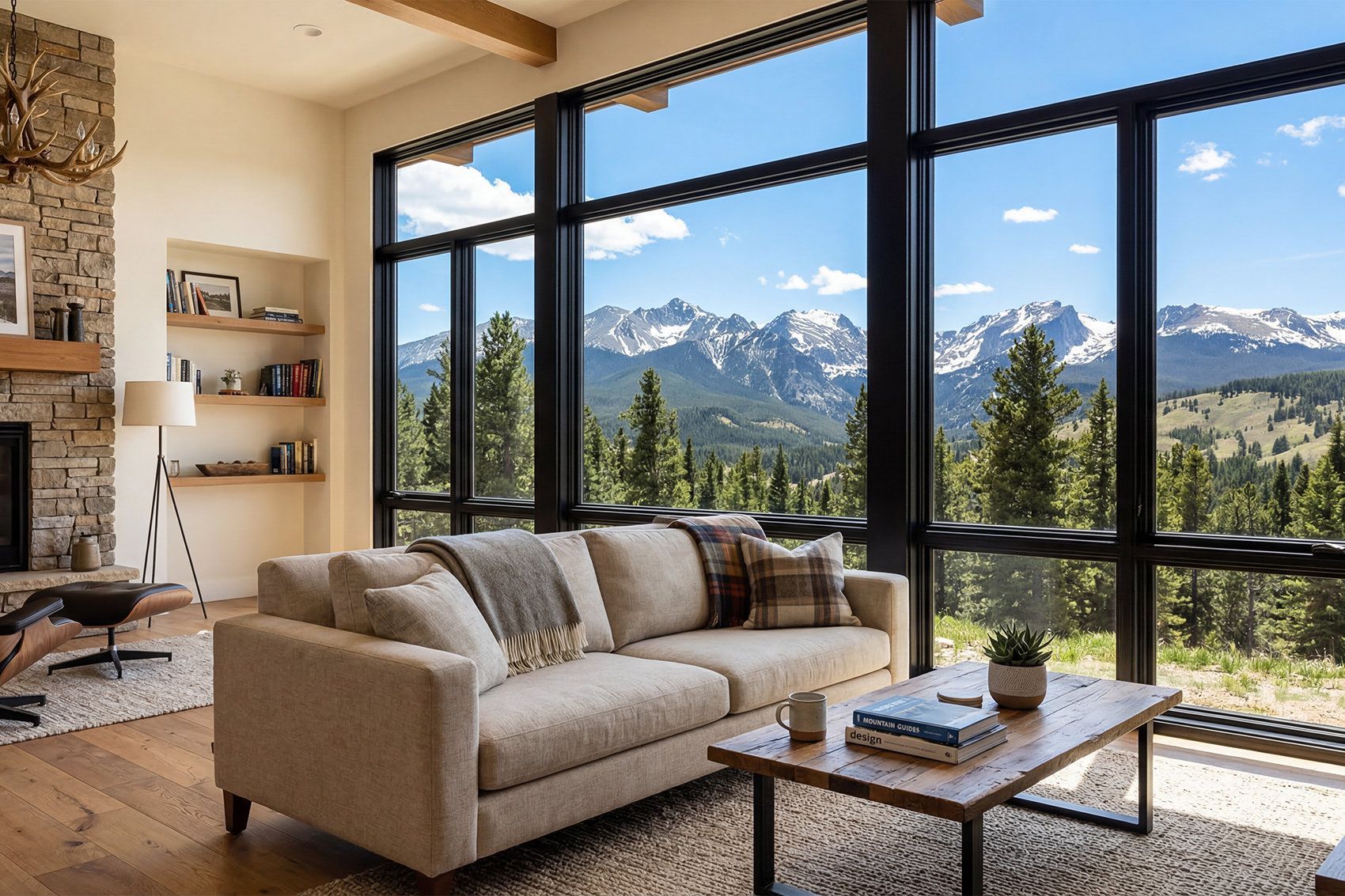
Discover the best window frame colors for Colorado homes. Learn which colors complement mountain living and perform well under intense UV and temperature swings.
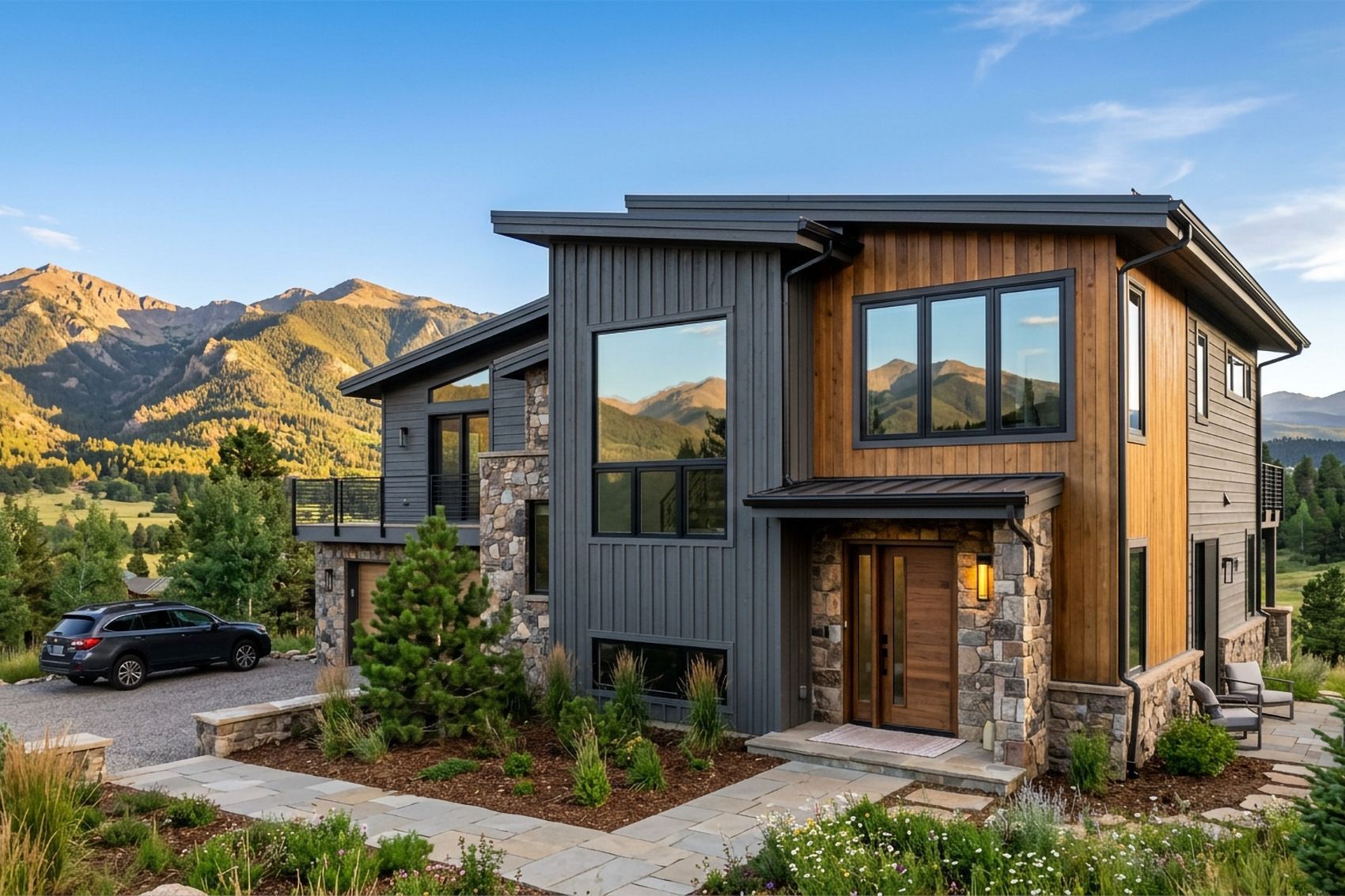
Discover the best upgrades for Colorado homes. Learn which high-impact improvements in windows, doors, and siding deliver lasting value at altitude.
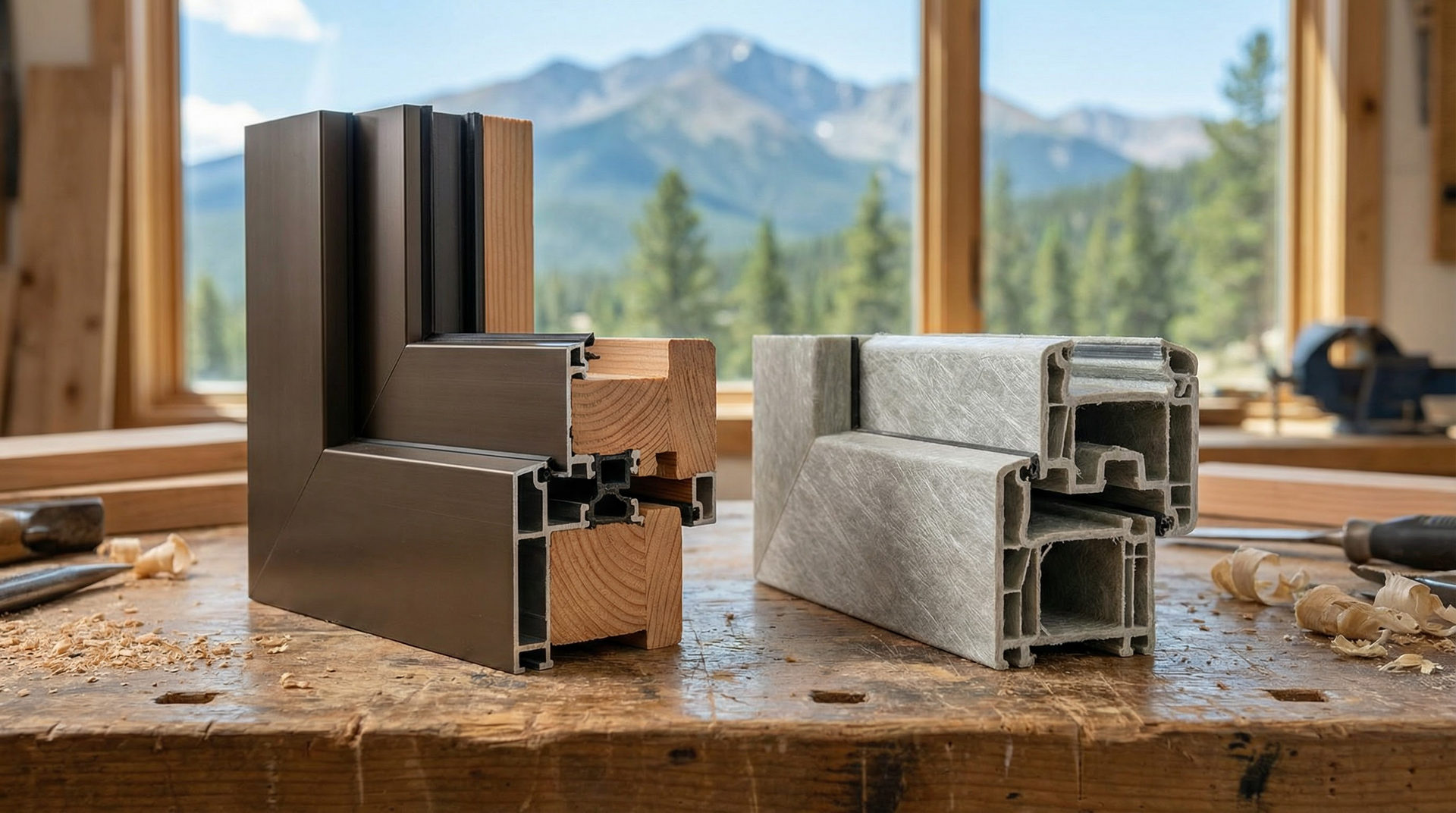
Discover the best window materials for Colorado climate. Compare fiberglass, aluminum-clad wood, and vinyl performance at altitude for lasting durability.
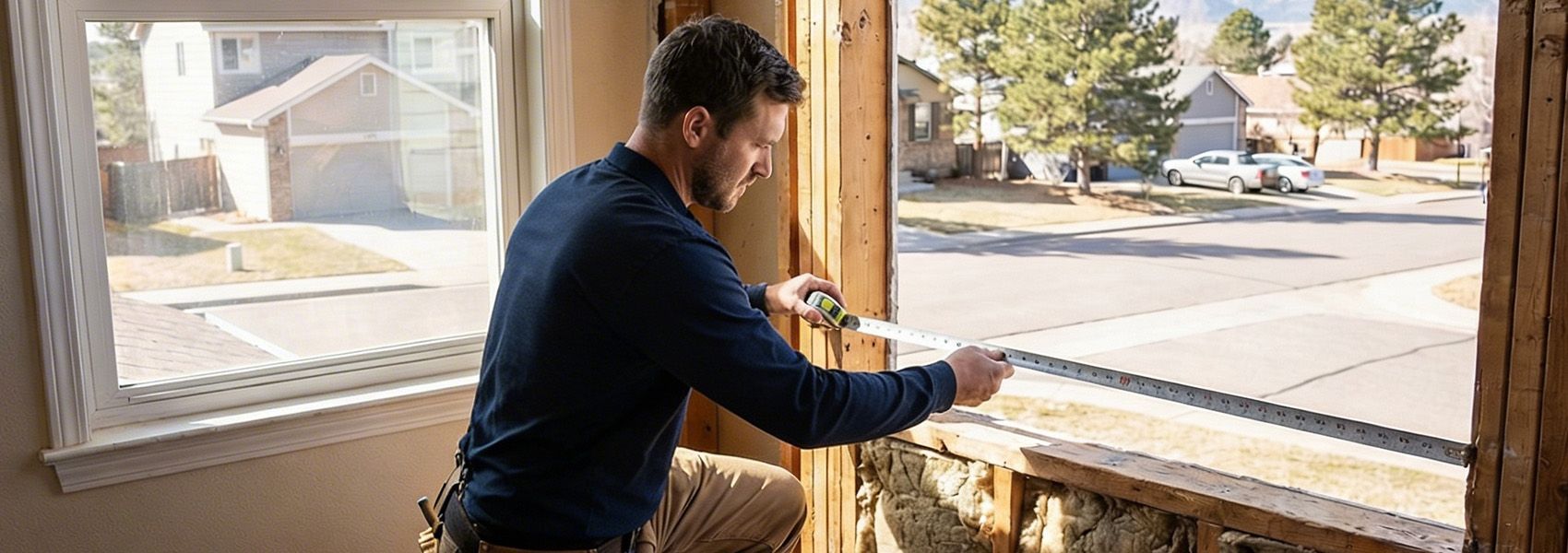
Learn the benefits of custom window fitting in Colorado. Discover why precision sizing improves energy efficiency, durability, and performance in your home.
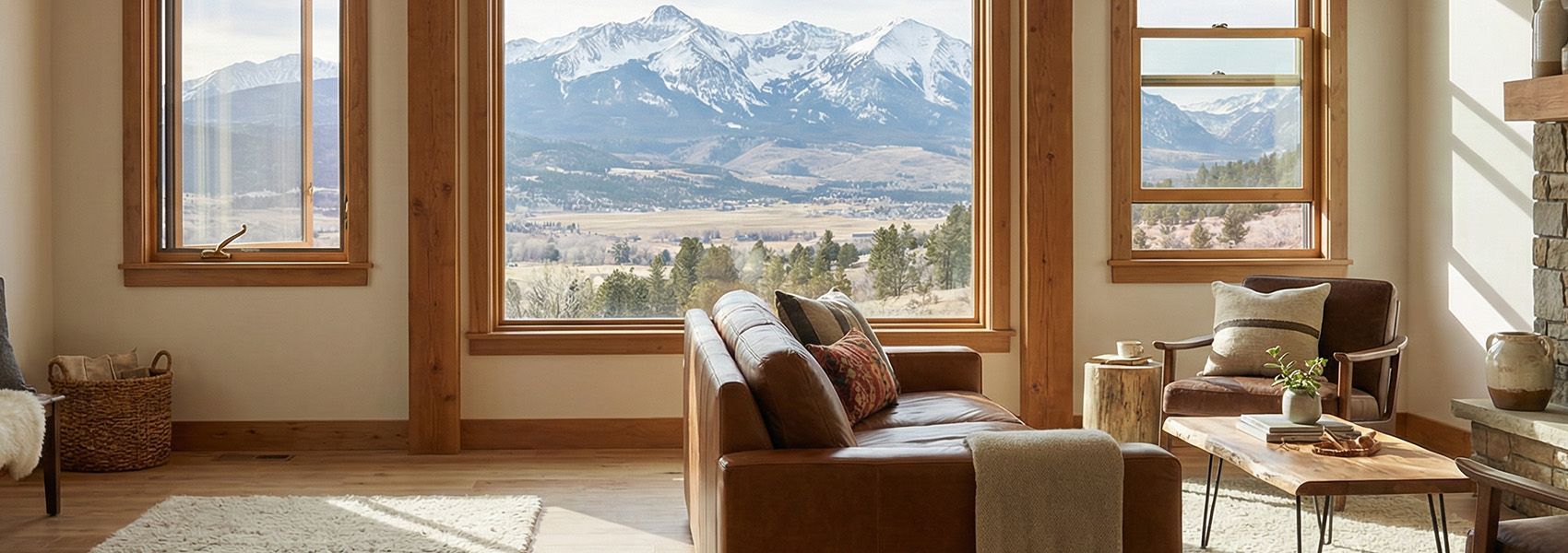
Discover the best window styles for Colorado homes. Compare double hung, casement, awning, and picture windows for your climate, architecture, and lifestyle.
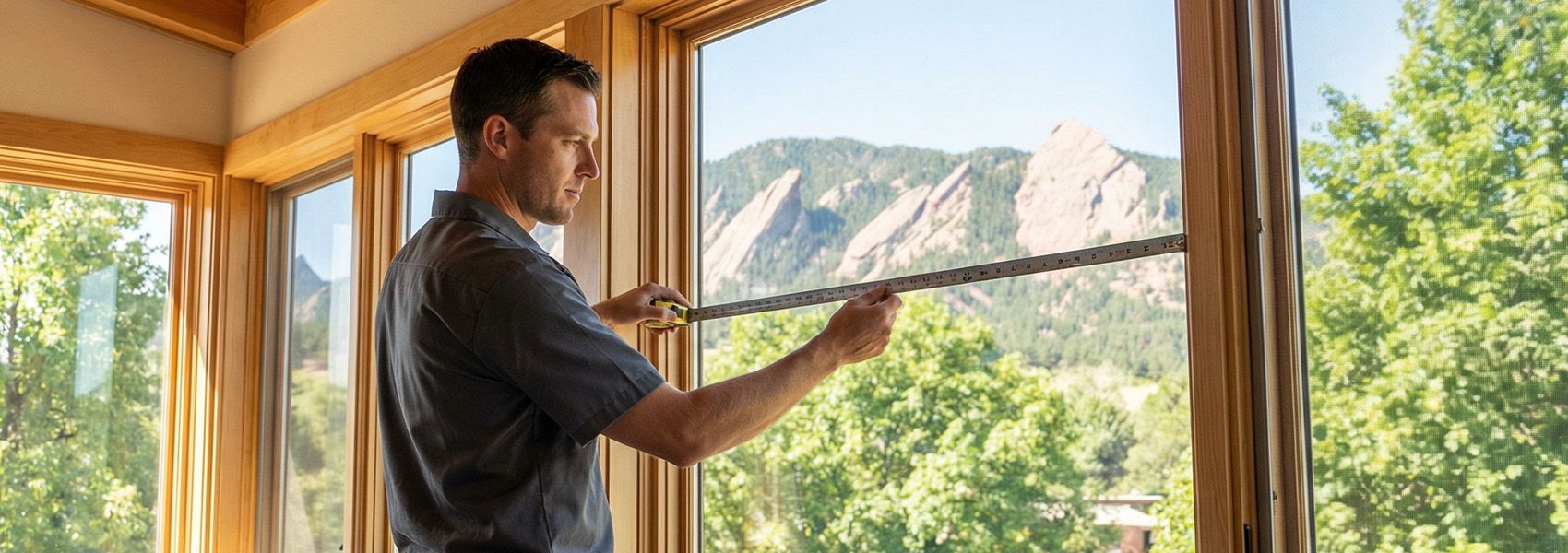
Find trusted local window contractors near Boulder. Family-owned, Denver Broncos partner, authorized Marvin, ProVia & Anlin dealer with 230+ five-star reviews.
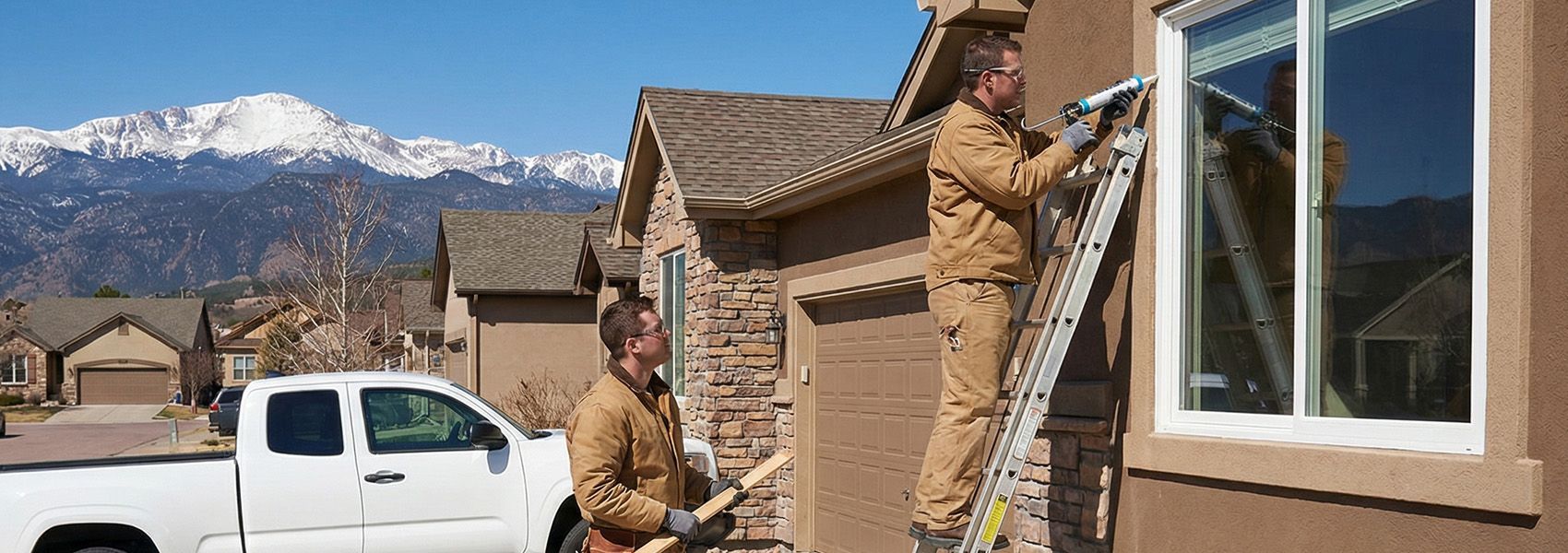
Find the best window installers in Colorado Springs. Family-owned, Denver Broncos partner, authorized Marvin, ProVia & Anlin dealer with 230+ five-star reviews.
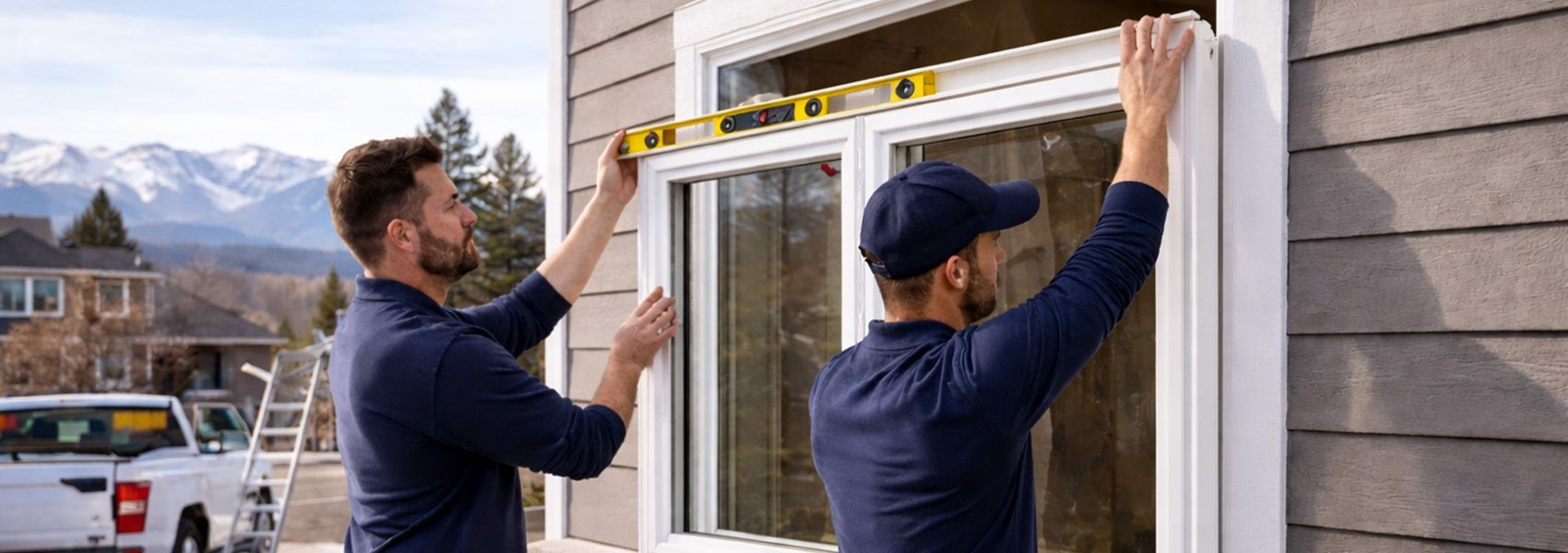
Find trusted window contractors in Lakewood CO. Family-owned, Denver Broncos partner, authorized Marvin/ProVia/Anlin dealer with 230+ 5-star reviews and proven results.
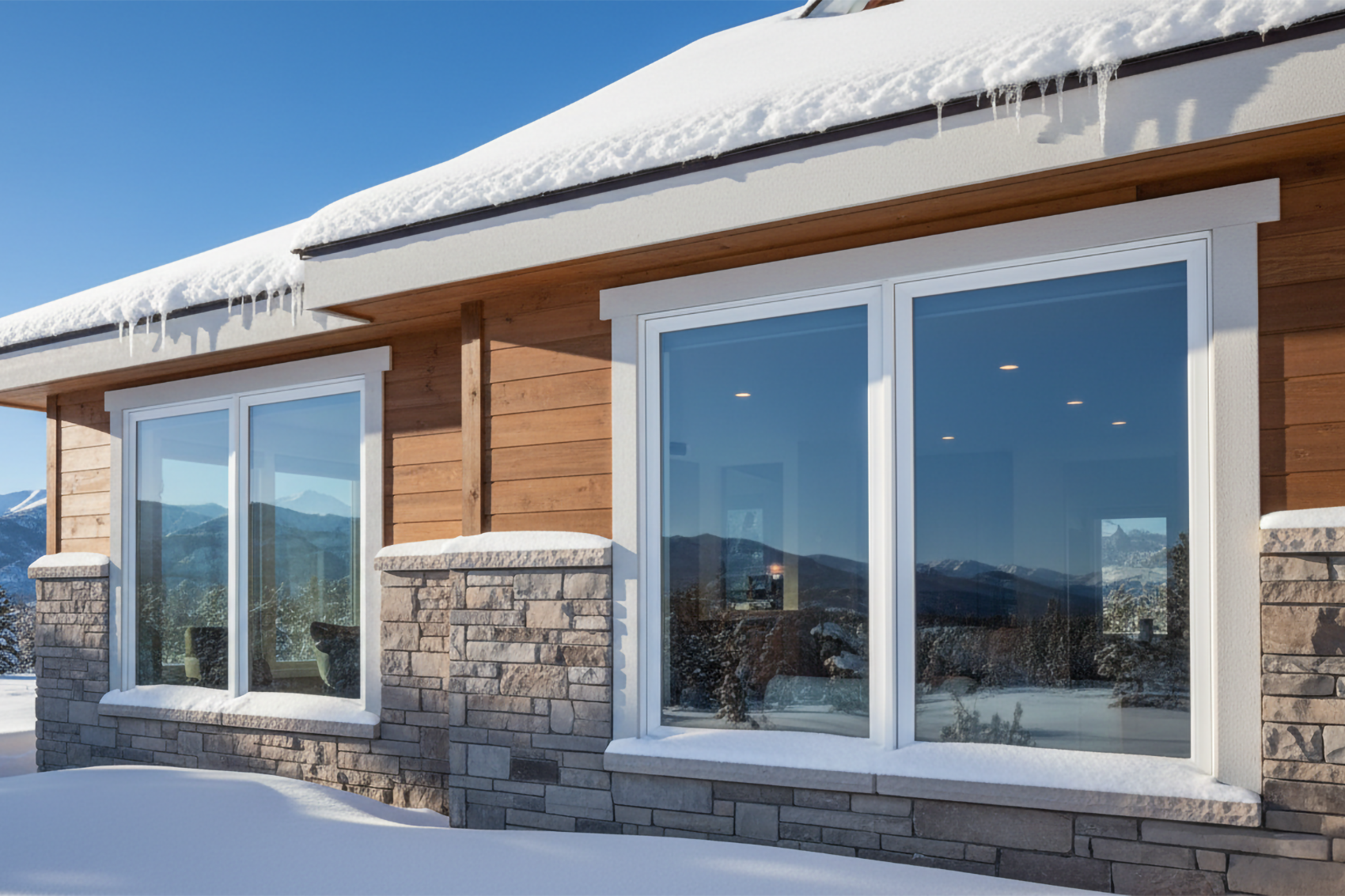
Composite vs vinyl windows in cold weather: Learn why vinyl windows excel in freezing temperatures with proven durability, zero maintenance, and reliable performance.
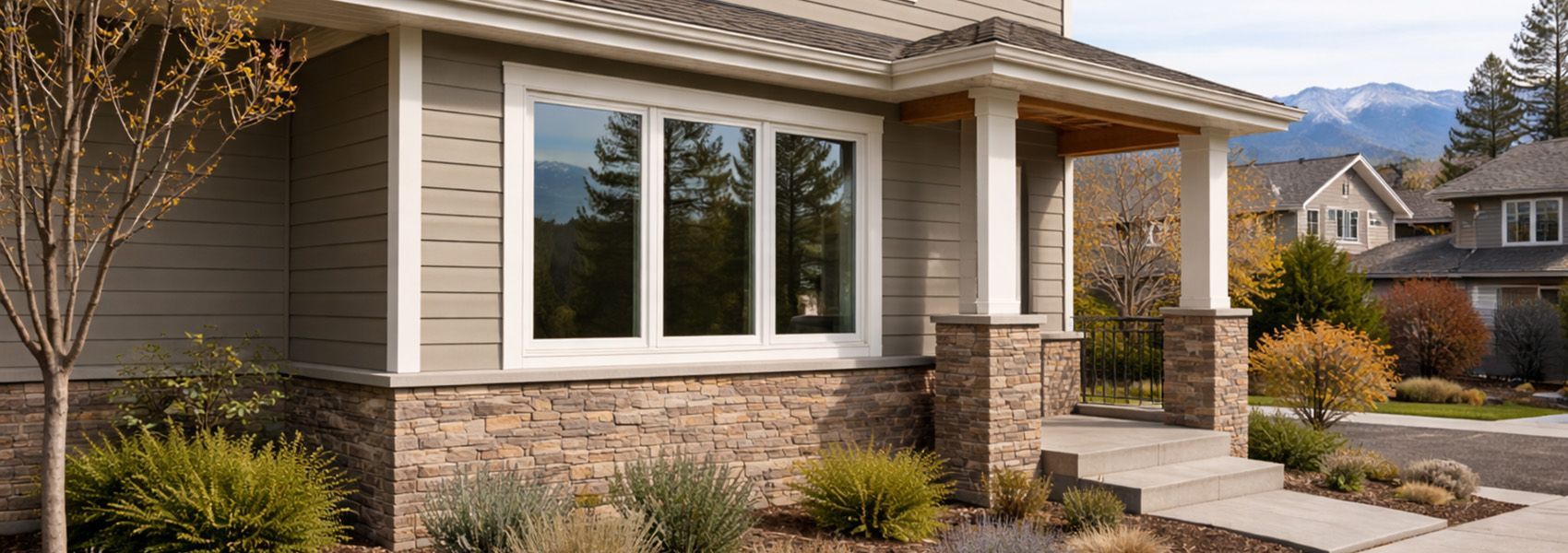
Vinyl vs wood windows for Colorado homes: Compare pros, cons, maintenance, cost, and durability. Balanced guide helps you choose the right material for your climate.
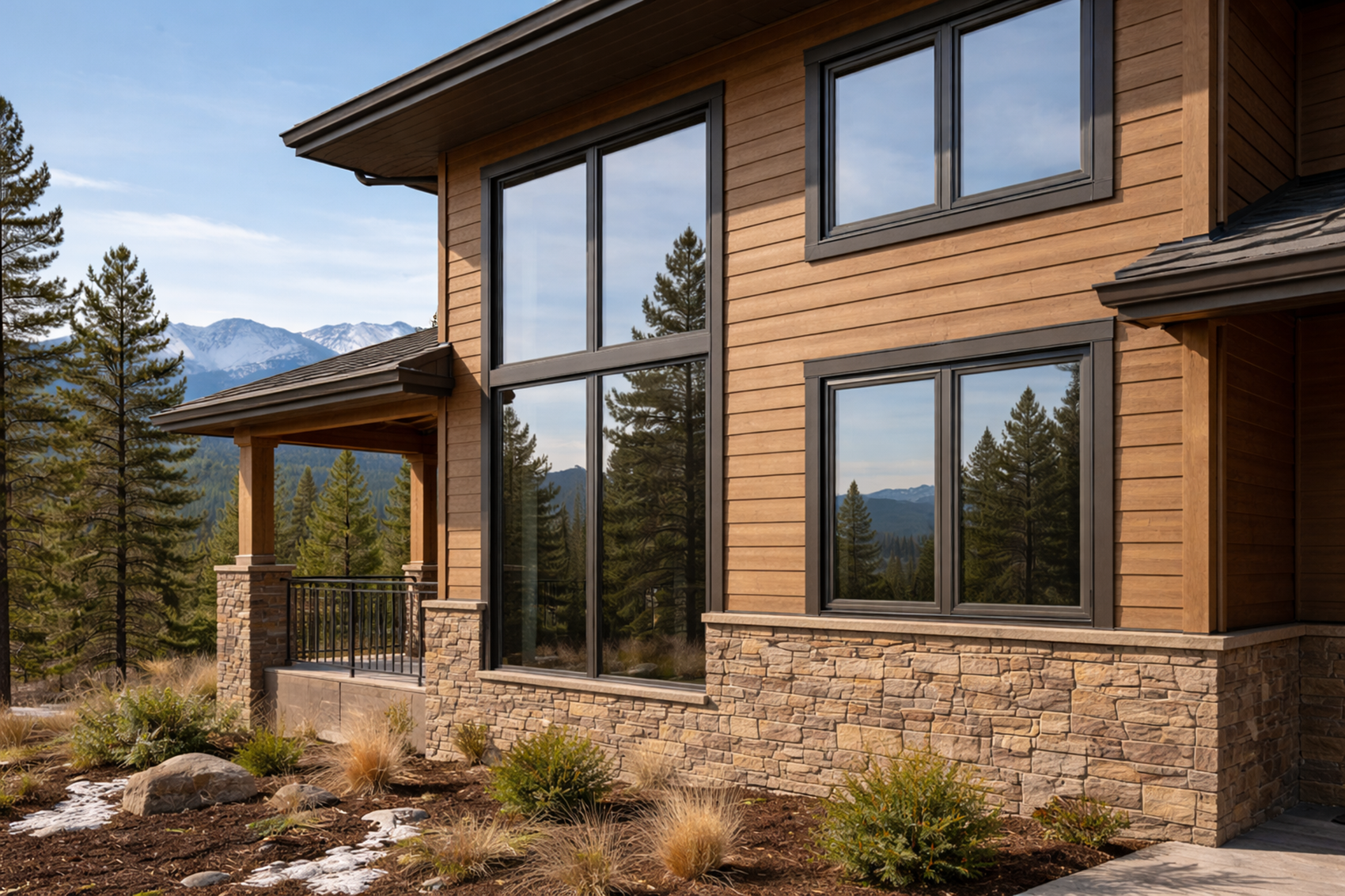
Compare fiberglass vs aluminum windows for Colorado homes. Learn which frame material handles UV exposure, temperature swings, and hail better in our challenging climate.
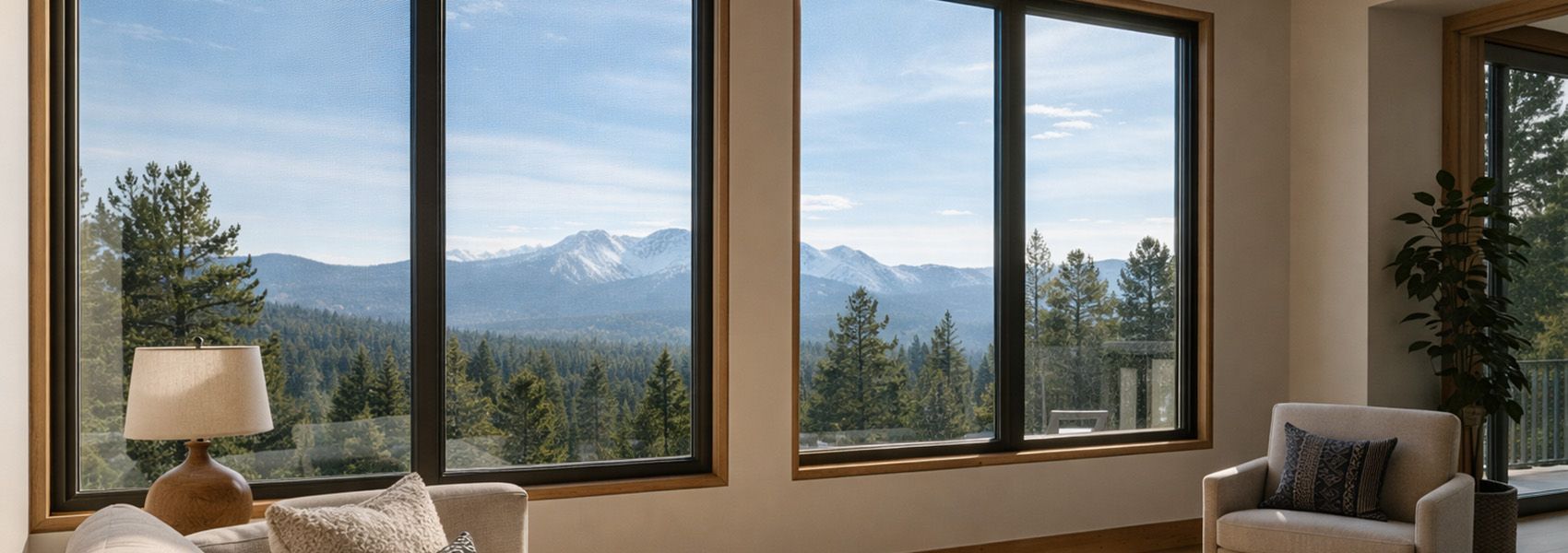
Learn how to choose the right glass for Colorado homes. Compare Low-E coatings, dual vs triple-pane, and high-altitude options for optimal performance.
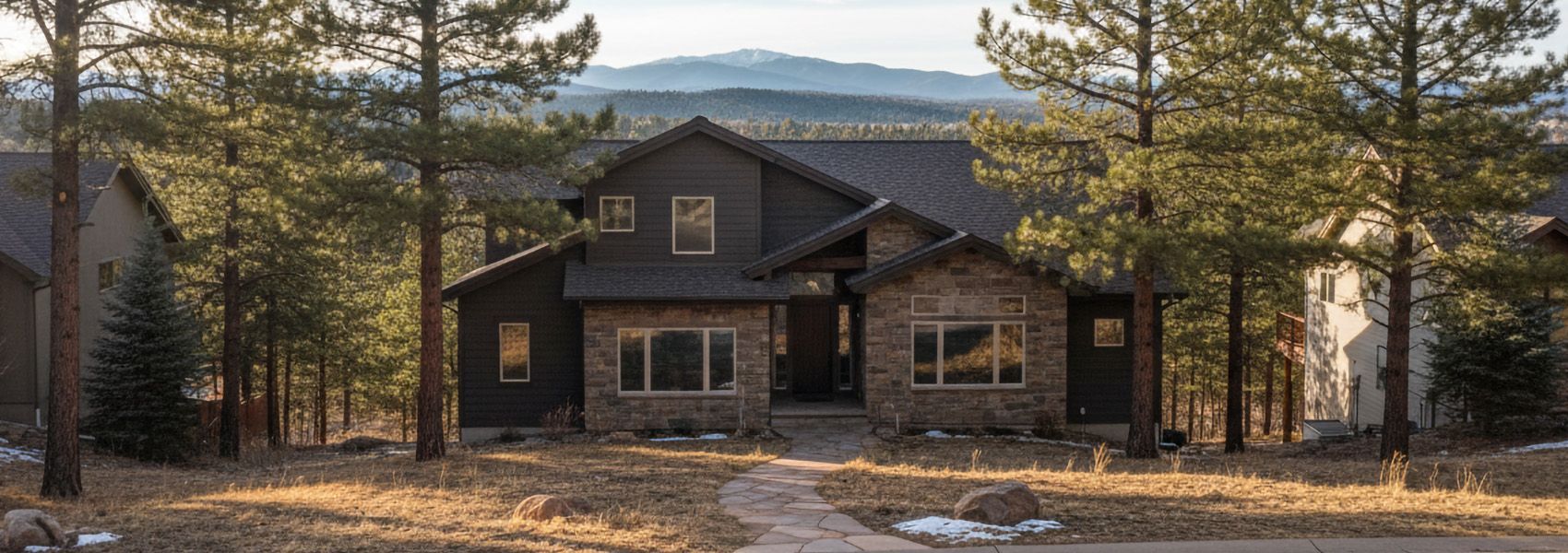
Energy-efficient window upgrades in Colorado depend on climate, elevation, materials, and installation. Learn what homeowners should consider before replacing.

How long do replacement windows last in Colorado? Learn how materials, installation quality, and climate exposure affect window lifespan and long-term performance.
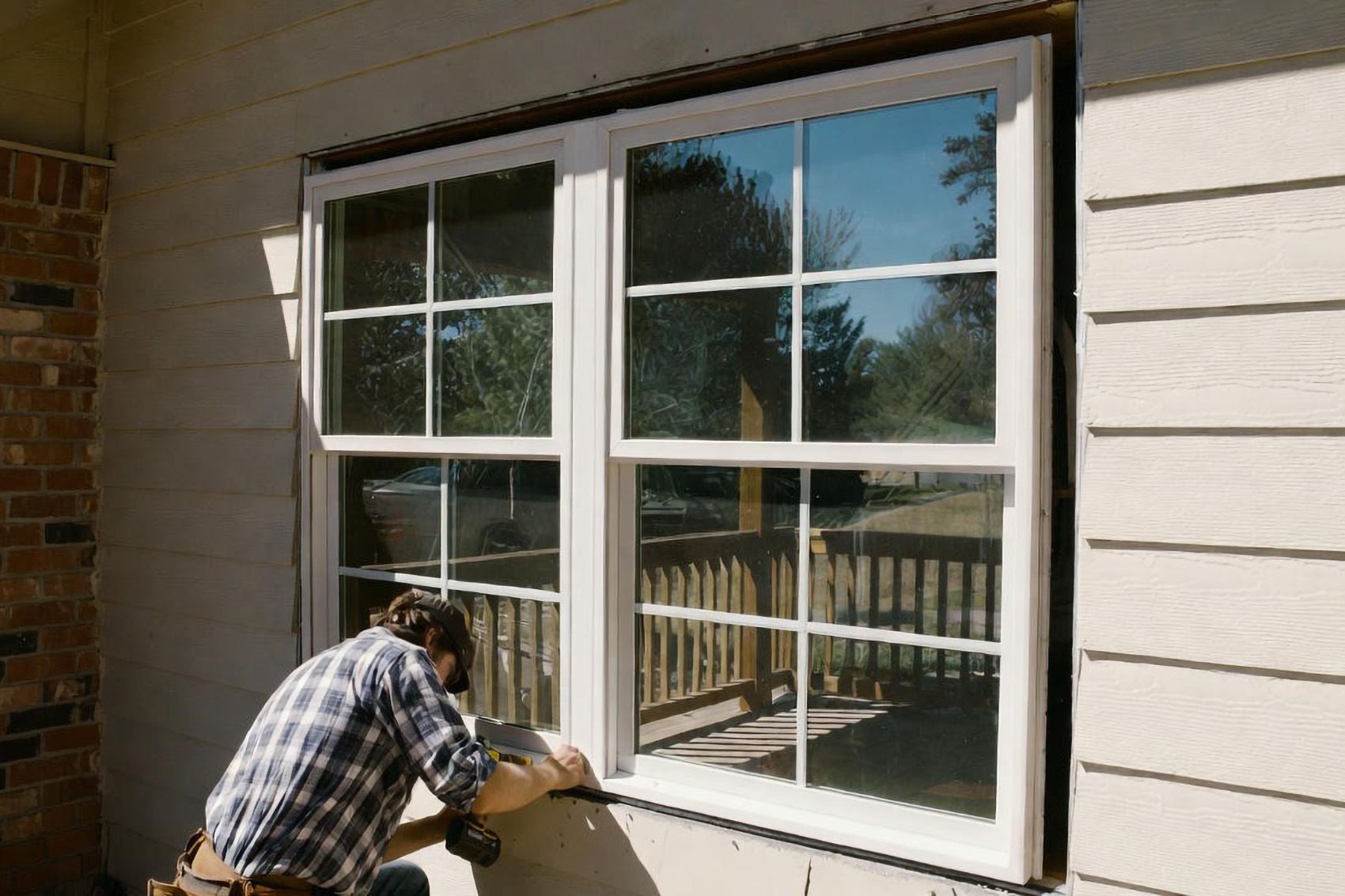
Double hung window installation process for Colorado homeowners. Measurement, removal, preparation, installation & sealing steps explained.
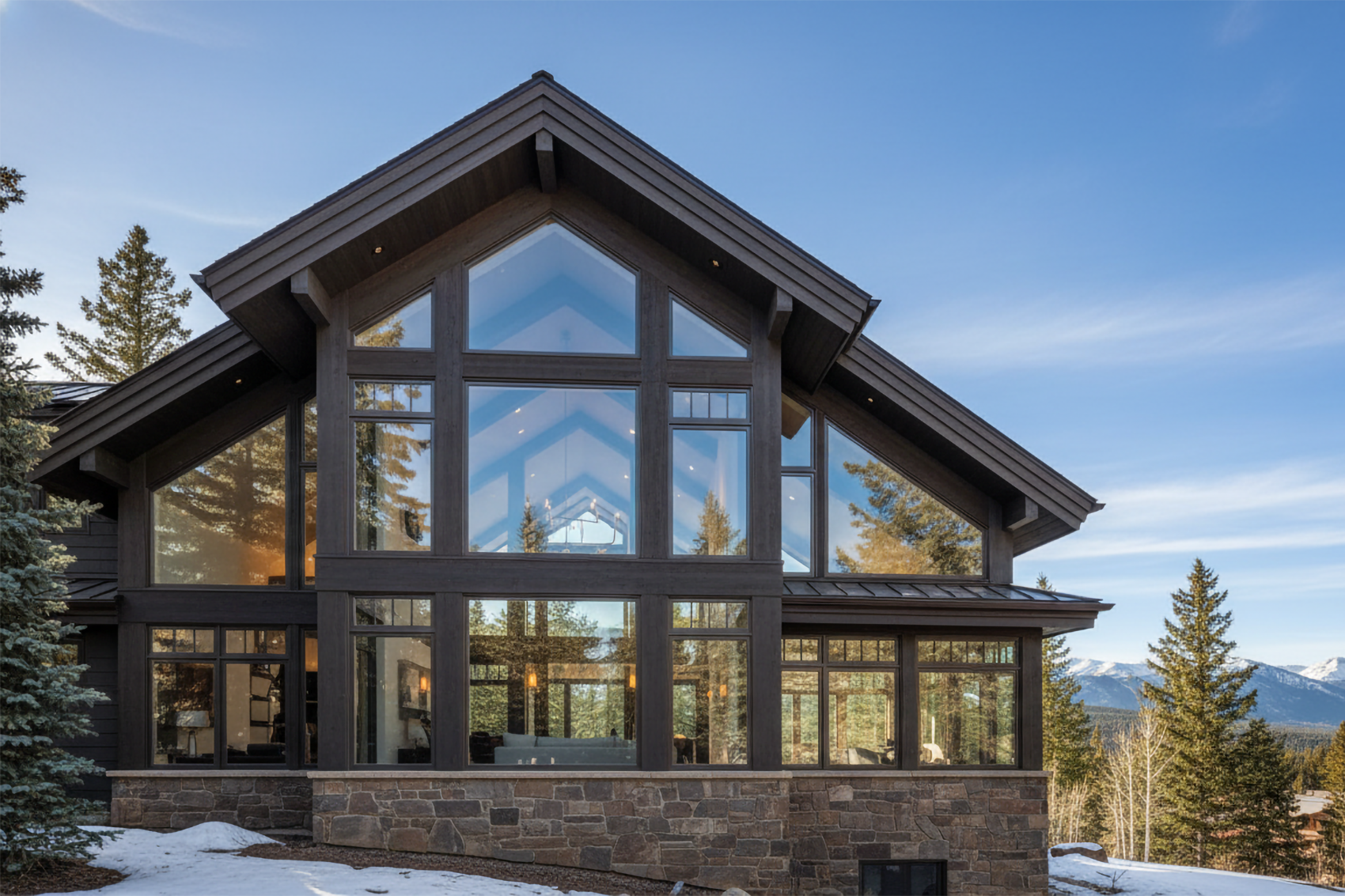
Custom window installation benefits for unique Colorado home designs. Non-standard openings, historic preservation & altitude considerations explained.
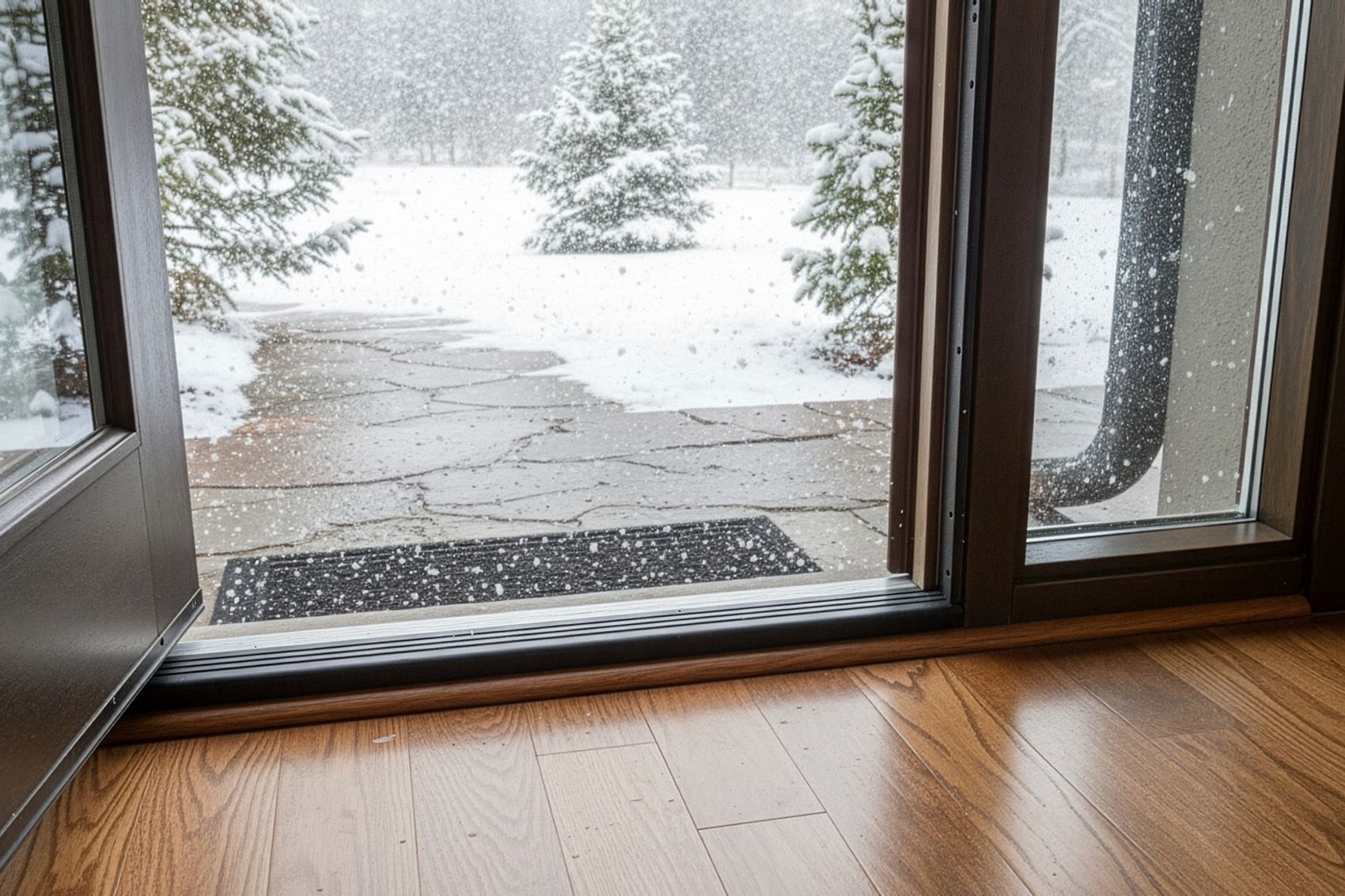
Entry doors with weather stripping help reduce rain and snow infiltration. Learn about components, materials & installation before season arrives.

Learn how to measure for window replacement in winter without errors. Colorado guide on temperature, materials, and tools for accurate sizing.
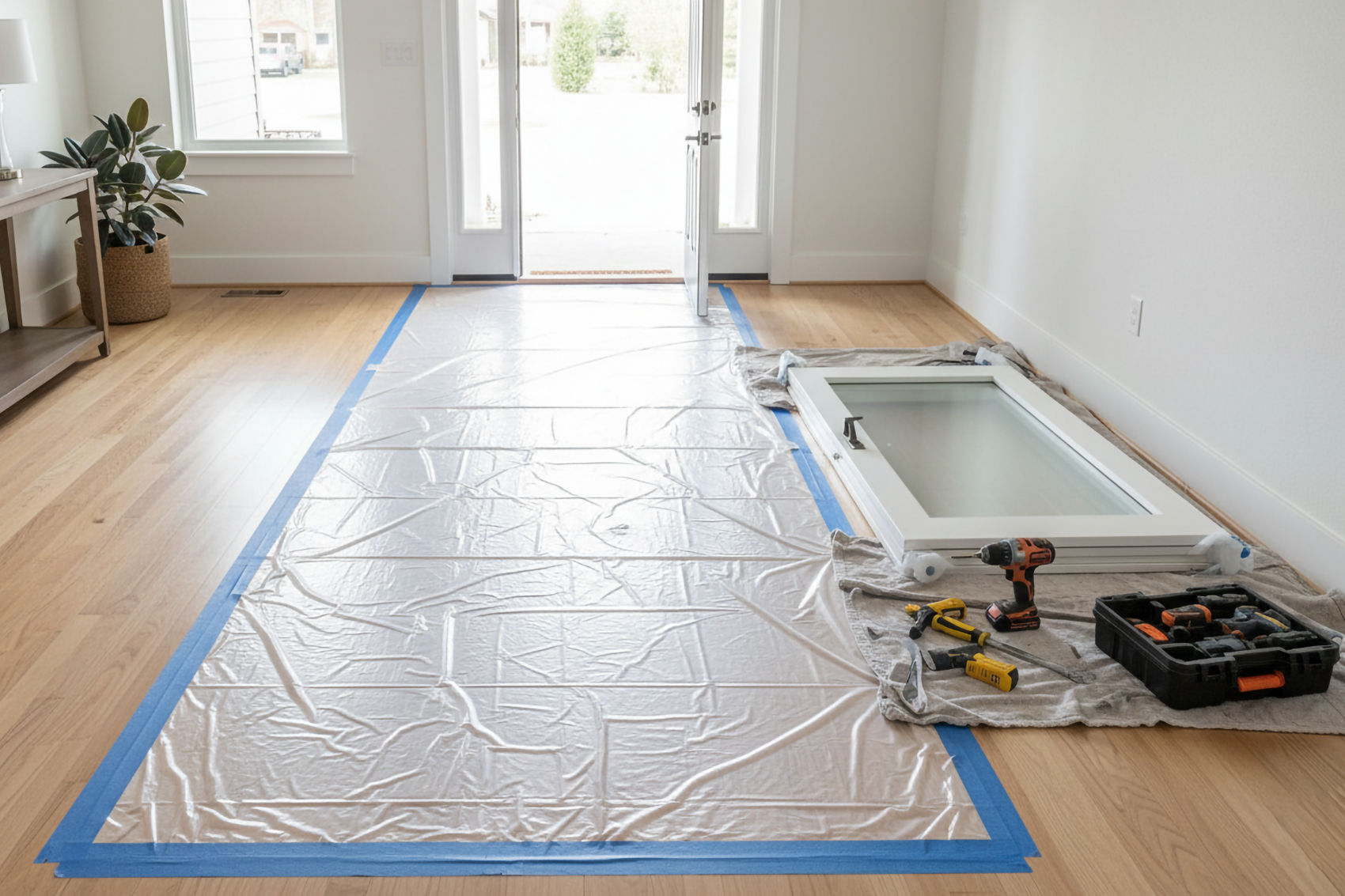
Complete homeowner checklist for preparing your house for door installation. Clear pathways, protect floors, secure pets & weather considerations.
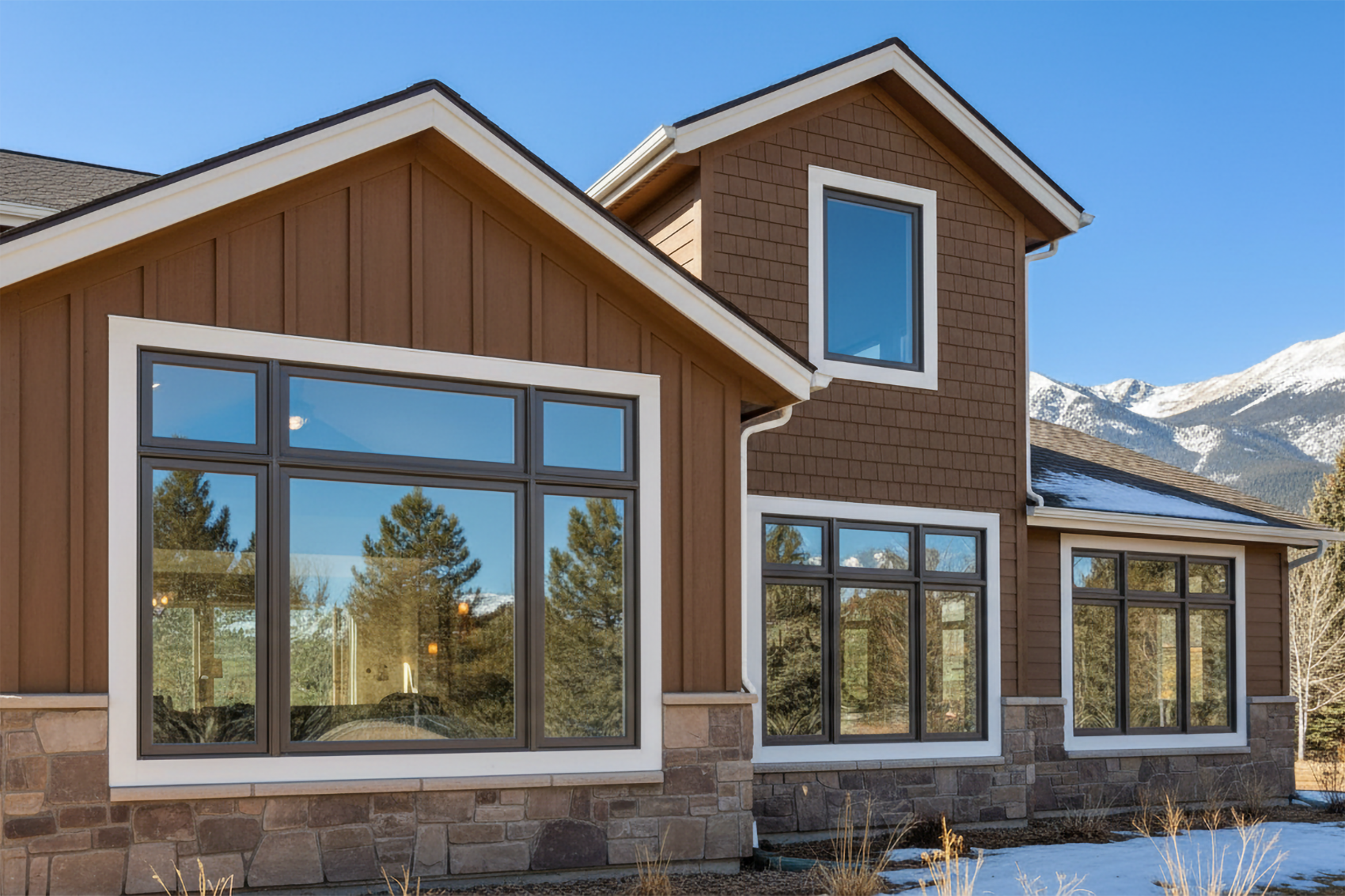
Upgrading to double pane from single pane windows reduces energy costs 20-35%. Complete guide to costs, savings, and installation for Colorado homes.
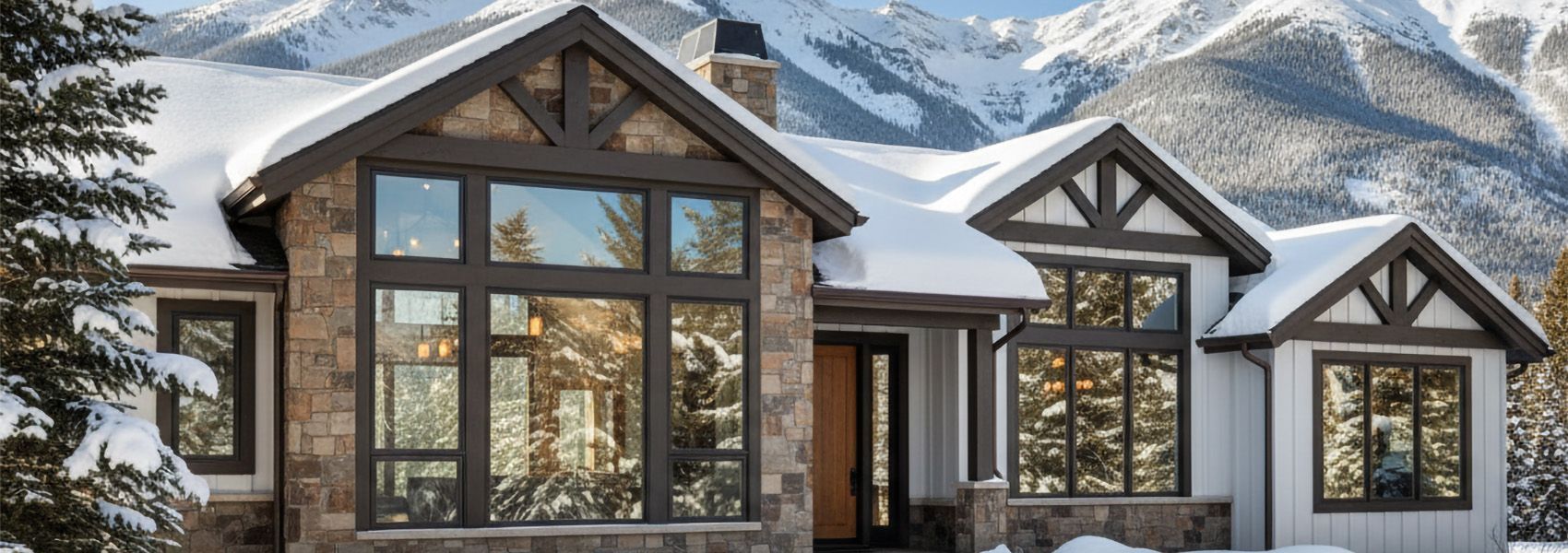
Discover how triple-pane Marvin Signature® Ultimate windows improve comfort, insulation, and efficiency in Colorado’s high-altitude climate. Compare NFRC ratings before upgrading.

Double pane window noise reduction blocking outside sound effectively. 20-30 decibel reduction, STC ratings 28-34, transforming noisy environments into peaceful homes.