

Historic home window replacements in Colorado can preserve original character while gaining modern durability by pairing period-accurate details like simulated divided lites and traditional sash profiles with low-maintenance materials such as fiberglass and aluminum-clad wood. Many preservation review panels now permit these modern materials because they replicate historic appearance while lasting far longer than original wood in Colorado's demanding climate, letting homeowners honor "Old Colorado" aesthetics without the constant upkeep that traditional wood windows require.
Colorado's historic homes carry irreplaceable character in their windows. The divided-lite patterns, the proportions of the sashes, the depth of the muntin bars, and the way the windows sit within their openings all contribute to a home's period authenticity. Replacing these windows presents a genuine challenge: how to preserve that historic character while gaining the energy efficiency and durability that original wood windows cannot match in Colorado's intense sun, dramatic temperature swings, and dry air.
This guide explores how modern materials like fiberglass and aluminum-clad wood allow Colorado homeowners to maintain historic aesthetics while gaining lasting performance, and what to consider when navigating preservation requirements for older homes.
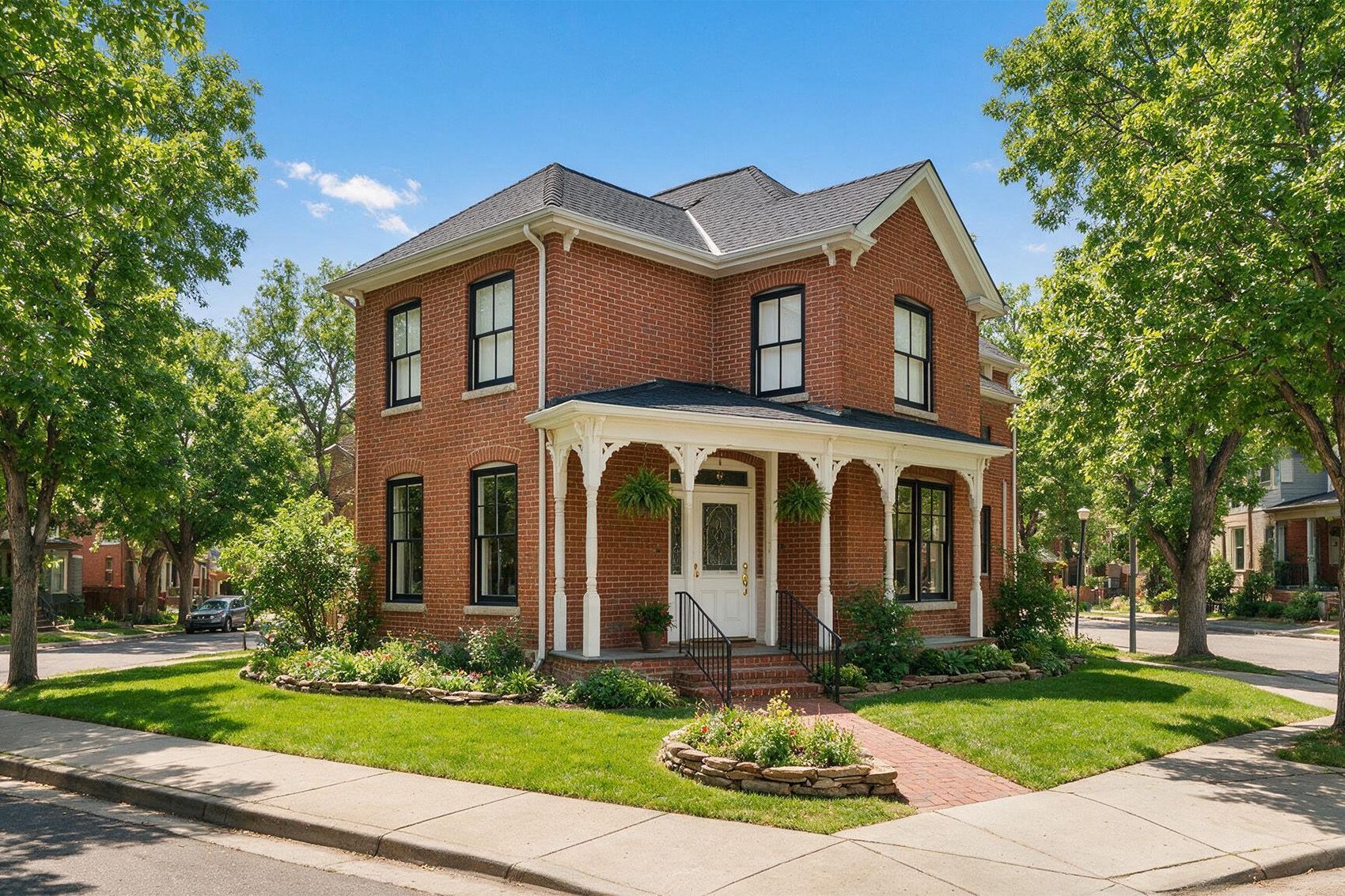
The Historic Window Challenge in Colorado
Why Original Windows Struggle Here
Colorado's climate imposes harsh demands on traditional wood windows. The intense high-altitude sun degrades finishes and dries out wood, the dramatic temperature swings stress joints and glazing, and the dry air can cause wood to shrink and crack over time. Original windows, often more than a century old, frequently show the cumulative effects of decades of exposure to these conditions.
Maintaining historic wood windows in Colorado requires ongoing commitment. Regular scraping, repainting, reglazing, and repair keep original windows functional, but this maintenance cycle is demanding and never-ending. For many homeowners, the labor and cost of preserving deteriorating wood windows becomes impractical, particularly when the windows no longer perform well against air infiltration and heat loss.
The energy performance of original single-pane windows compounds the challenge. These windows offer minimal insulation against Colorado's cold winters, and even with storm windows, they rarely match the efficiency of modern insulated units. Homeowners face a tension between preserving character and improving comfort and efficiency.
The Preservation Balance
Historic homes derive much of their value and appeal from their authenticity. The windows contribute significantly to this character, and inappropriate replacements can diminish both the home's appearance and its historic integrity. This creates real stakes in getting window replacement right, particularly for homes in designated historic districts where changes may face review.
The challenge lies in balancing preservation with practicality. Homeowners want to honor their home's history and maintain its character, but they also want windows that perform well and do not demand constant upkeep. Historically, these goals seemed to conflict, forcing a choice between authentic wood windows with high maintenance or modern replacements that compromised character.
Modern materials and manufacturing have changed this equation. Today's options allow homeowners to replicate historic appearance closely while gaining the durability and efficiency that original windows lacked, easing the tension between preservation and performance.
What Makes a Window Look Historic
Several elements combine to give historic windows their characteristic appearance. Divided lites, the individual panes of glass separated by muntin bars, define much of the traditional look. Older glass technology could not produce large sheets, so historic windows used collections of smaller panes held together by these bars, creating the grid patterns associated with period homes.
Sash proportions, muntin bar depth and profile, frame dimensions, and the way windows sit within their openings all contribute to authenticity. The tall bottom rail common in historic double-hung windows, the specific profiles of the millwork, and period-appropriate hardware and finishes complete the historic character. Successful replacement attends to these details rather than approximating them loosely.
Understanding which elements matter most helps homeowners and installers prioritize authenticity where it counts. The front or primary elevations facing the street typically warrant the most attention to detail, since these are the most visible and the most scrutinized in historic districts.
How Modern Materials Preserve Historic Character
Simulated Divided Lites
One of the most important innovations for historic replacement is the simulated divided lite. Rather than assembling a window from many small individual panes, simulated divided lites use bars permanently adhered to both sides of an insulated glass unit, mimicking the appearance of true divided lites while preserving the energy efficiency of modern insulated glass.
These simulated bars can include a spacer between the glass panes aligned with the exterior and interior bars, creating depth that closely resembles authentic divided lites. The result captures the traditional grid appearance that defines historic windows while delivering the thermal performance of a sealed insulated unit. Many preservation review panels accept simulated divided lites precisely because they replicate the historic look convincingly.
For Colorado homeowners, simulated divided lites offer a way to maintain period authenticity without sacrificing the efficiency that the climate makes valuable. The windows look historically appropriate from the street while performing far better than original single-pane units against cold and air infiltration.
Matching Profiles and Proportions
Beyond divided lites, quality historic replacement attends to the profiles and proportions that define period windows. Manufacturers offering historic solutions can replicate sash profiles, muntin bar dimensions, casing details, and the specific proportions that give windows their authentic character. This precision distinguishes a convincing historic replacement from a generic window that merely gestures at tradition.
Custom capabilities matter here because historic windows vary widely by era and style. Victorian, Craftsman, and early twentieth-century homes each have characteristic window details, and replicating them requires manufacturing flexibility. Windows that can be customized to match original patterns, shapes, and finishes serve historic replacement far better than standardized products.
The ability to recreate these details allows homeowners to replace deteriorated windows with units that honor the original design. When done well, the replacements maintain the home's historic integrity while the improved materials and glazing deliver modern performance.
Finishes and Color
Historic authenticity extends to finishes and color. Period homes often used specific color palettes, and maintaining or appropriately updating these colors contributes to authentic character. Modern factory finishes can replicate historic colors while offering far greater durability than the field-applied paint that original wood windows required.
This durability matters enormously in Colorado. Where original wood windows needed frequent repainting to combat the intense sun and dry air, modern factory finishes on durable materials maintain their appearance for decades with minimal upkeep. Homeowners gain the historic look without the endless maintenance cycle that traditional finishes demanded.
The combination of period-appropriate color and lasting factory finish resolves one of the central frustrations of historic wood windows. The window looks right and stays looking right, freeing homeowners from the constant refinishing that Colorado's climate otherwise necessitates.
Fiberglass and Its Advantages
Why Fiberglass Suits Historic Replacement
Fiberglass has emerged as a compelling material for historic window replacement because it combines slim, strong profiles with exceptional durability. The material's strength allows narrow sightlines that can approximate the delicate proportions of historic windows, while its stability and resistance to Colorado's conditions deliver the longevity that original wood could not.
Fiberglass resists the expansion and contraction that temperature swings impose, maintaining tight seals and stable dimensions through Colorado's dramatic daily and seasonal changes. It stands up to intense UV without the degradation that challenges other materials, and it requires minimal maintenance compared to wood. These properties make fiberglass well-suited to the demanding climate that wears out traditional windows.
Marvin's Elevate collection pairs a fiberglass exterior with a warm wood interior, while the Essential collection offers fiberglass inside and out. Both provide the durability that Colorado's climate rewards while offering divided-lite options and profiles suited to traditional aesthetics, making them practical choices for homeowners prioritizing low-maintenance performance in a historic replacement.
Durability in Colorado's Climate
The durability advantage of fiberglass matters most in Colorado's harsh conditions. Where original wood windows deteriorate under sun, temperature cycling, and dry air, fiberglass maintains its integrity far longer with minimal intervention. This longevity addresses the central problem that drives many historic window replacements: the impractical maintenance burden of deteriorating wood.
Fiberglass windows can last decades in Colorado's climate while retaining their appearance and performance. The material does not rot, does not require repainting on the schedule that wood demands, and resists the warping and cracking that afflict wood in dry, sun-intense environments. For homeowners weary of maintaining original windows, this durability represents a genuine relief.
This lasting performance also protects the home's appearance over time. Rather than watching windows deteriorate between maintenance cycles, homeowners with durable fiberglass replacements enjoy consistent appearance and function, preserving the historic character they worked to achieve.
Approval in Historic Districts
Preservation authorities have increasingly recognized the value of durable modern materials. Because of the high cost and labor of maintaining old wood windows, historic districts may approve aluminum-clad and fiberglass windows that last a long time with little maintenance, even in harsh climates. This shift reflects a practical acknowledgment that durability serves long-term preservation.
The reasoning is sound: a window that maintains its historic appearance for decades with minimal upkeep may serve preservation goals better than authentic wood that deteriorates without constant attention. When modern materials replicate historic appearance convincingly through simulated divided lites and matched profiles, review panels may permit them, particularly on secondary elevations less visible from the street.
Homeowners considering fiberglass for a historic replacement should understand that approval depends on the specific district and the quality of the historic replication. Working with installers experienced in preservation requirements helps navigate these considerations and improves the likelihood of approval.
Aluminum-Clad Wood as a Premium Option
The Best of Both Worlds
For homeowners seeking maximum authenticity with lasting durability, aluminum-clad wood offers a premium approach. These windows pair a genuine wood interior, which can be stained or painted to match historic millwork, with a weather-resistant aluminum exterior that handles Colorado's demanding conditions without the maintenance that exposed wood requires.
This combination delivers authentic wood character where it is seen and touched from inside, while the durable exterior faces the sun, temperature swings, and dry air that wear out traditional windows. The wood interior maintains the warmth and authenticity that historic homes value, while the aluminum exterior provides the longevity that Colorado's climate makes essential.
Marvin's Signature Ultimate collection exemplifies this approach, combining aluminum-clad exteriors with wood interiors and extensive customization for historic replication. The collection's ability to recreate traditional divided-lite patterns, sash profiles, and period details makes it a frequent choice for formal restoration projects where authenticity matters most.
When to Choose Aluminum-Clad Wood
Aluminum-clad wood suits historic replacements where interior wood authenticity is a priority and budget allows for premium materials. Homeowners restoring significant historic properties, or those who value the genuine wood interior that period homes traditionally featured, often find aluminum-clad wood worth the investment for its combination of authenticity and durability.
The material excels for primary elevations and prominent windows where historic accuracy receives the most scrutiny. Its customization capabilities allow close replication of original details, helping windows pass preservation board reviews while delivering modern performance. For the most demanding historic projects, this level of authenticity justifies the premium.
Homeowners weighing aluminum-clad wood against fiberglass should consider their priorities. Both offer durability suited to Colorado, but aluminum-clad wood adds genuine wood interiors and the highest level of historic customization, while fiberglass offers excellent durability and value with slightly different aesthetic characteristics.
Balancing Cost and Authenticity
Historic window replacement involves balancing authenticity against budget. Aluminum-clad wood represents a premium tier, offering the highest authenticity but at higher cost. Fiberglass provides excellent durability and convincing historic appearance at a more accessible price point. Understanding this spectrum helps homeowners align their choices with their priorities and budget.
Many historic projects blend approaches, using premium materials on prominent primary elevations where scrutiny is highest and more economical durable options on secondary elevations less visible from public view. This strategy concentrates investment where it matters most for both preservation approval and visual impact.
Working with knowledgeable installers helps homeowners navigate these tradeoffs, matching materials to the specific requirements and visibility of each window while respecting budget constraints. The goal is preserving character effectively without unnecessary expense on windows where the highest authenticity is not required.
Navigating Preservation Requirements
Understanding the Rules
Historic properties are often subject to rules more restrictive than typical building codes. Homes listed on the National Register of Historic Places face standards administered through the Secretary of the Interior's Standards for Rehabilitation, which aim to preserve a property's historic significance. Homes in local historic districts may face standards administered by state, county, or city review panels that often follow similar principles.
These requirements vary from property to property and district to district. Some focus primarily on street-facing elevations while allowing more flexibility elsewhere. Some specify particular divided-lite configurations, profiles, or materials. Understanding the specific requirements that apply to a given property is essential before proceeding with window replacement.
Homeowners should research the requirements governing their property early in the planning process. Whether the home is individually listed, contributes to a historic district, or faces local preservation standards affects what window replacements will be permitted and what documentation or approval the project requires.
Working With Review Panels
For homes subject to preservation review, obtaining approval typically requires demonstrating that proposed windows maintain historic character appropriately. Review panels assess whether replacements replicate original appearance through appropriate divided lites, profiles, proportions, and finishes. Windows that convincingly preserve historic character are more likely to gain approval.
The approval process benefits from thorough preparation. Providing samples, specifications, and documentation of how proposed windows replicate historic details helps review panels evaluate proposals favorably. Manufacturers offering historic solutions often provide the customization and documentation that support successful review.
Working with installers experienced in preservation requirements streamlines this process. Their familiarity with review panel expectations, documentation needs, and the specifications that gain approval helps homeowners navigate what can otherwise be a complex and uncertain process.
The Value of Local Expertise
Colorado's historic districts, from Denver's older neighborhoods to historic mountain towns, each maintain their own character and requirements. Installers familiar with local preservation contexts understand the specific expectations that apply in different areas, helping homeowners align their projects with local standards.
This local knowledge matters because preservation requirements are not uniform. What gains approval in one district may not in another, and understanding these local variations helps homeowners plan appropriately. Experienced local installers bring this contextual knowledge to historic projects, improving both the process and the outcome.
For homeowners undertaking historic window replacement, this expertise provides valuable guidance through requirements that can otherwise feel opaque. Matching windows to both the home's character and the applicable preservation standards helps ensure a successful project that honors the past while gaining modern performance.
People Also Ask About Historic Window Replacement
Can you replace windows in a historic home?
Yes, you can replace windows in a historic home, though the process often involves checking local regulations and preservation standards. Homes in historic districts or listed on the National Register may face review requirements governing what replacements are permitted. Replacement windows typically need to retain original opening sizes and replicate historic appearance through appropriate divided lites, profiles, and finishes. Working with installers experienced in preservation helps navigate these requirements successfully.
Are fiberglass windows allowed in historic districts?
Fiberglass windows may be permitted in historic districts, particularly because they last a long time with minimal maintenance even in harsh climates. Many preservation authorities have recognized that durable modern materials replicating historic appearance can serve long-term preservation goals. Approval depends on the specific district and how convincingly the windows replicate historic character through simulated divided lites and matched profiles. Secondary elevations less visible from the street often face fewer restrictions than primary elevations.
What are simulated divided lites?
Simulated divided lites are bars permanently adhered to both sides of an insulated glass unit that mimic the appearance of traditional individual panes separated by muntin bars. They can include a spacer bar between the glass panes aligned with the exterior and interior bars, creating depth that closely resembles authentic divided lites. This approach captures the historic grid appearance while preserving the energy efficiency of modern insulated glass, making it popular for historic replications.
How do modern windows preserve historic appearance?
Modern windows preserve historic appearance through several techniques: simulated divided lites replicate traditional pane patterns, custom profiles match original sash and muntin dimensions, period-appropriate proportions maintain authentic character, and factory finishes replicate historic colors. Quality historic replacements attend to details like tall bottom rails, specific millwork profiles, and appropriate hardware. These elements combine to honor the original design while modern materials and glazing deliver improved durability and efficiency.
Is fiberglass or wood better for historic windows in Colorado?
Both have merits for Colorado historic replacement. Fiberglass offers excellent durability, slim profiles, and low maintenance at a more accessible price, standing up well to Colorado's sun and temperature swings. Aluminum-clad wood provides genuine wood interiors for maximum interior authenticity plus durable exteriors, at a premium price. The right choice depends on priorities: fiberglass for durability and value, aluminum-clad wood for the highest interior authenticity and historic customization. Many projects blend both based on window visibility.
Related Reading
Historic window replacement often involves homes across Colorado's varied elevations, and window needs shift considerably from the Front Range to the mountains. Understanding how location affects window requirements helps inform historic replacement decisions.
For a comparison of how window needs change across Colorado's elevations, see our article on how window needs change from Denver to Breckenridge.
Our Take
At Five Seasons Windows & Doors, we appreciate the character that historic windows bring to Colorado homes, and we help homeowners preserve that character while gaining the durability their original windows lacked. Our Marvin options, from fiberglass Elevate and Essential collections to the premium aluminum-clad wood Signature Ultimate, offer divided-lite patterns and profiles suited to historic replication across a range of budgets.
We understand that historic replacement involves both aesthetic and regulatory considerations, and we guide homeowners through matching windows to their home's character and any applicable preservation standards. Our goal is helping you honor your home's history while gaining windows that perform reliably through Colorado's demanding seasons without the endless maintenance that original wood demanded.
Final Takeaway
Historic home window replacement in Colorado no longer forces a choice between authentic character and modern durability. Simulated divided lites, matched profiles, and period-appropriate finishes allow modern windows to replicate historic appearance convincingly, while durable materials like fiberglass and aluminum-clad wood deliver the longevity that original wood windows could never achieve in Colorado's intense sun, temperature swings, and dry air. Many preservation authorities now recognize that these durable materials can serve long-term preservation goals precisely because they maintain historic appearance with minimal upkeep.
For Colorado homeowners with historic properties, this means the "Old Colorado" aesthetics that give their homes character can be preserved without the endless maintenance that traditional wood windows demanded. Whether choosing fiberglass for its durability and value or aluminum-clad wood for its premium interior authenticity, homeowners can honor their home's history while gaining lasting performance. Understanding preservation requirements and working with installers experienced in historic replacement helps ensure the result respects both the past and the practical demands of Colorado living.
Get Started Today
Five Seasons Windows & Doors is Colorado’s top-rated local window company with 230+ 5-star reviews. We offer expert advice, no-pressure quotes, and flexible project options — including phased installs. Schedule your consult today.