

Energy-efficient window upgrades are often discussed as a way to improve comfort and manage heat transfer, but in Colorado, these decisions benefit from a broader perspective. High elevation, strong solar exposure, wide temperature swings, and seasonal weather shifts all influence how windows interact with a home’s overall envelope. As a result, energy efficiency is not tied to a single feature or product choice, but to how windows are evaluated, selected, and installed within local conditions.
For many Colorado homeowners, the first step is not choosing a specific window type, but understanding whether an upgrade is appropriate at all. In some homes, targeted improvements may address comfort concerns, while in others, full replacement may align better with long-term renovation plans. This article outlines how energy-efficient window upgrades are typically approached in Colorado homes, focusing on evaluation, performance factors, and planning considerations rather than promises or rankings.
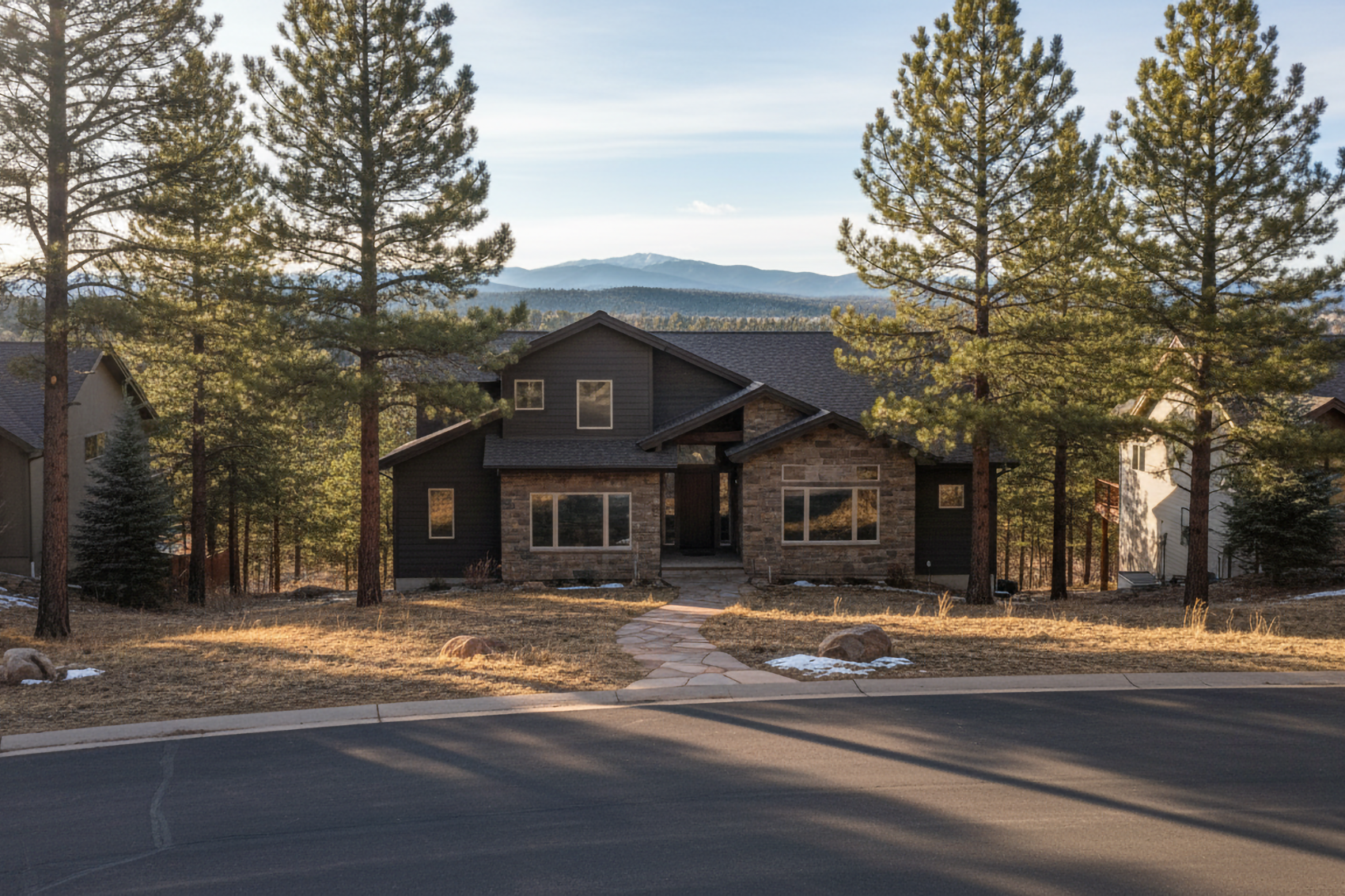
When an Energy-Efficient Upgrade Makes Sense
Not every home experiencing drafts or temperature variation automatically requires window replacement. In Colorado, energy concerns often overlap with air movement, solar exposure, and insulation performance elsewhere in the home. Before planning an upgrade, homeowners commonly assess how existing windows are functioning, where discomfort occurs, and whether issues are localized or consistent throughout the house.
Some homes benefit from improvements such as sealing, weatherstripping, or addressing surrounding insulation before considering replacement. Others, particularly those with older windows or exposure challenges, may find that upgrading windows fits better within broader renovation goals. Treating replacement as situational rather than automatic helps homeowners make more informed decisions.
How Windows Contribute to Energy Efficiency
Windows influence energy behavior through heat transfer, air movement, and solar interaction. In Colorado, both heat loss during colder months and solar gain during sunny periods can shape comfort expectations. Energy-efficient upgrades often focus on how glazing, frames, and installation details influence these interactions rather than on achieving a specific numerical benchmark.
Performance metrics such as U-factor, solar heat gain coefficient, visible transmittance, and air leakage describe different aspects of window behavior. These values are best used for comparison within similar product categories and sizes, rather than as universal indicators of suitability for every home or climate.
Climate and Elevation Considerations in Colorado
Colorado’s climate plays a central role in how energy-efficient window upgrades are evaluated. At higher elevations, sunlight intensity is greater, and daily temperature swings can be more pronounced. South- and west-facing windows may experience sustained solar exposure, while north-facing openings are more influenced by cold conditions.
Rather than assuming one configuration works everywhere, homeowners often consider how orientation, shading, and elevation affect window behavior at their specific site. In some cases, managing solar exposure is a priority; in others, limiting air movement or thermal transfer is more relevant. Energy-efficient upgrades are most effective when these variables are considered together.
Materials and Glazing Options
Window materials and glazing options respond differently to temperature changes, sunlight, and environmental exposure. Frame materials exhibit distinct movement characteristics, and glazing configurations influence insulation behavior and light transmission.
Upgrades may involve changes to glazing layers, coatings, or gas fills, but these decisions are typically guided by how those options interact with the home’s exposure and use patterns. Describing materials and glazing in neutral terms allows homeowners to focus on fit and context rather than perceived performance advantages.
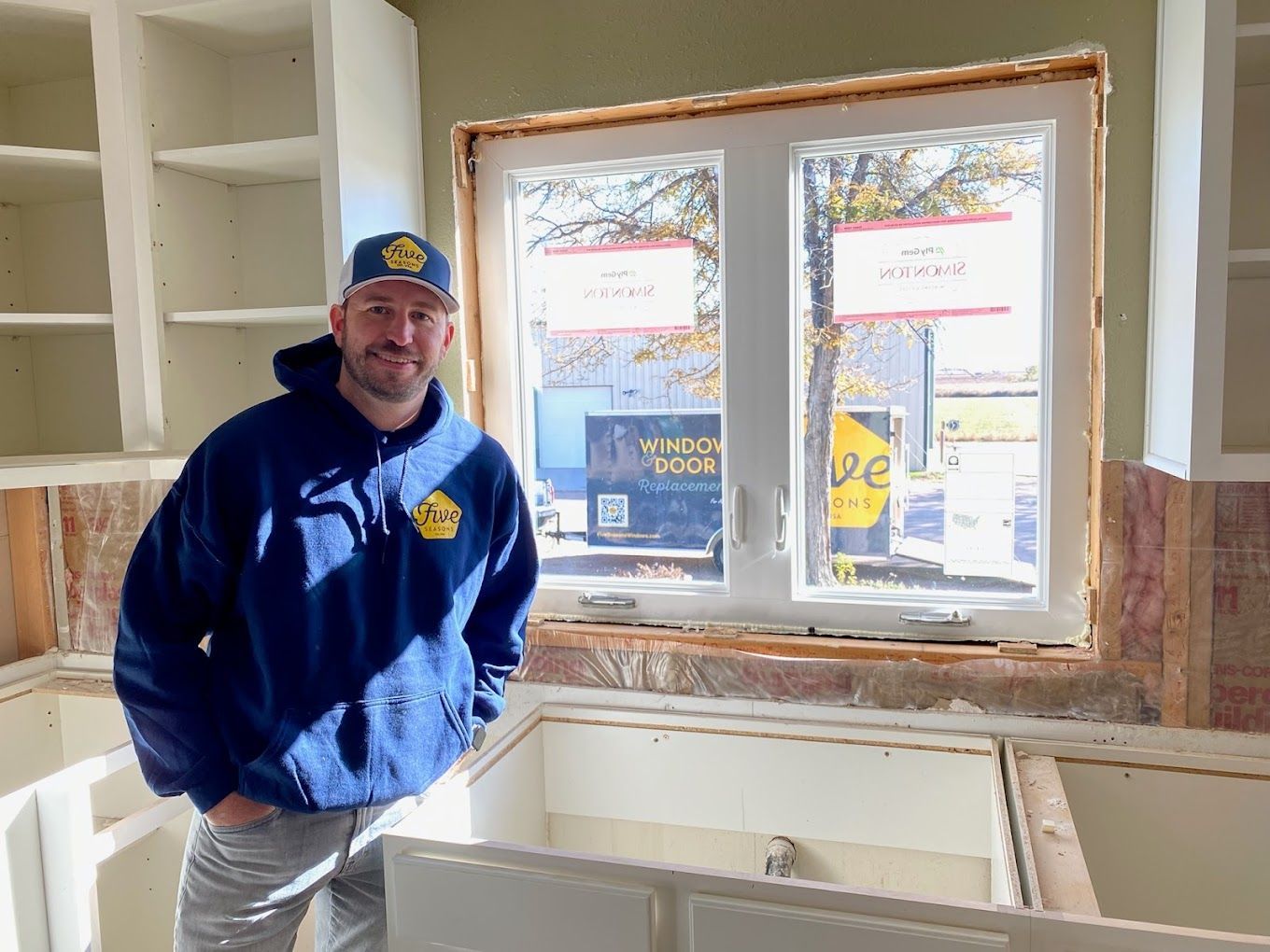
The Role of Installation in Energy Outcomes
Installation is one of several factors that can influence how window upgrades interact with a home’s energy behavior. In Colorado, where wind, snow, and freeze–thaw cycles are common, installers often plan detailing with local exposure conditions in mind.
Alignment, sealing, and integration with surrounding wall systems are considered as part of the overall approach, recognizing that installation practices support intended characteristics rather than guaranteeing specific outcomes. Viewing installation as part of a broader system helps set realistic expectations.
Cost, Planning, and Expectations
Energy-efficient window upgrades are often part of a larger home improvement sequence. Colorado homeowners may coordinate window projects with insulation work, exterior renovations, or interior comfort updates. Costs, disruption, and timing all influence how upgrades are planned and prioritized.
Energy-related outcomes vary depending on climate, home design, and project sequencing. Clear planning helps homeowners determine whether window upgrades align with their goals without assuming uniform results.
Additional Resource Before You Continue
For related context on how window replacement decisions are shaped by climate, exposure, and installation considerations in Colorado, the following resource may be helpful:
Reviewing this article alongside energy-efficiency considerations helps connect window upgrade decisions with the realities of mountain and high-altitude environments.
Our Take
At Five Seasons Windows & Doors, we approach energy-efficient window upgrades as part of a broader discussion about comfort, exposure, and home design. Rather than focusing on individual features in isolation, we encourage homeowners to consider how windows interact with orientation, insulation, and installation conditions specific to their property.
In our experience, upgrades tend to be more satisfying when they are planned with site-specific factors and realistic expectations in mind. Energy efficiency is rarely the result of a single change, but of how multiple elements work together over time.
Final Takeaway
Energy-efficient window upgrades in Colorado benefit from thoughtful evaluation rather than assumptions. Climate, elevation, materials, glazing behavior, and installation practices all influence how windows interact with a home’s energy profile. By approaching upgrades as part of a broader system and considering how local conditions shape outcomes, homeowners can make informed decisions that align with their needs and environment.
Get Started Today
Five Seasons Windows & Doors is Colorado’s top-rated local window company with 230+ 5-star reviews. We offer expert advice, no-pressure quotes, and flexible project options — including phased installs. Schedule your consult today.