

The longevity of replacement windows depends on multiple variables including frame material, installation quality, environmental exposure, and routine maintenance. While many homeowners hope for multi-decade service, real-world performance varies—particularly in Colorado, where strong UV exposure, rapid temperature shifts, and high-altitude conditions create stresses that differ significantly from other regions.
Instead of relying on general national lifespan assumptions, it is more accurate to evaluate how specific materials respond to Colorado’s environment, how construction methods influence durability, and how ongoing care supports long-term performance.
Colorado’s climate brings unique challenges: year-round high-elevation sunlight, freeze–thaw cycles, low relative humidity, and frequent high winds. Together, these factors influence how any window system ages. Understanding material behavior under these conditions provides homeowners with clearer expectations when planning a replacement project.

How Materials Influence Window Longevity
Frame material is one of the most influential components affecting how a window performs over time. Each material responds differently to UV exposure, temperature cycling, and moisture conditions.
Fiberglass
Fiberglass is dimensionally stable and expands at a rate similar to glass. This alignment helps support consistent joint performance and reduces stress on components during temperature swings. Because fiberglass does not readily warp or swell, it can be suited to Colorado’s elevation and temperature variations when installed correctly.
Certain Marvin® product lines, such as Elevate™ and Essential™, incorporate fiberglass components designed to support long-term structural stability with routine care. Their material composition can be beneficial in regions that experience frequent thermal shifts.
Wood
Wood performs well when protected with proper exterior finishes and maintained over time. Colorado’s dry climate often supports wood longevity because humidity-related swelling is less common than in coastal or high-moisture regions. Clad-wood systems, which combine a wood interior with a protective exterior material, offer an option for homeowners seeking traditional aesthetics with added exterior resilience.
Vinyl
Vinyl is widely available and budget-friendly, but it expands and contracts more noticeably with temperature changes. High UV exposure—common at Colorado elevations—can contribute to surface aging over time. Advances in vinyl formulations have improved stability, though performance still depends on the specific product’s construction, reinforcement strategy, and installation.
Aluminum
Aluminum offers structural strength but conducts heat more readily than other materials. Modern aluminum windows use thermal breaks to help manage heat transfer. Performance depends on design quality and insulation strategies. In cold climates or at high elevations, aluminum systems may require attention to interior condensation management.
How Climate Exposure Influences Window Aging
Colorado’s environment contributes meaningfully to how windows age over time.
High UV Exposure
UV intensity increases with elevation, which can affect finishes, exterior coatings, and some material surfaces. Products using finishes designed for UV stability—such as coatings that meet higher performance standards—may experience slower surface aging.
Temperature Swings
Rapid transitions between warm daytime temperatures and cold nights cause repeated expansion and contraction. This cycling can influence sealants, insulated glass edges, and hardware function. Materials with stable expansion rates tend to experience less movement stress.
Freeze–Thaw Cycles
Moisture can expand when frozen, which may stress materials if water enters joints or frame components. Proper installation, drainage management, and sealing practices help reduce exposure to this risk.
Wind and Pressure Variations
Strong winds in foothill, Front Range, and mountain communities place structural loads on frames and hardware. Products designed with robust anchoring and structural reinforcement can help support consistent operation under these conditions.
How Installation Affects Performance Over Time
Regardless of material, long-term performance depends on proper installation. Key factors include:
● accurate measurement and sizing
● plumb, level, and square placement
● correct fastening patterns
● appropriate flashing, sealing, and water-management strategies
● alignment with high-altitude insulated glass considerations
Improper installation may contribute to issues such as air leakage, operational difficulty, or premature seal stress. Working with experienced installers helps ensure the window is integrated correctly with the home’s building envelope.
Maintenance Practices That Support Longevity
Routine care contributes to consistent window performance:
● Inspect gaskets, weatherstripping, and sealants annually
● Keep tracks and hardware clean
● Maintain or refinish wood interiors as needed
● Confirm proper drainage pathways remain open
● Operate windows periodically to keep components moving smoothly
Colorado’s low humidity can reduce moisture-related wear, but regular upkeep helps maintain reliable operation over time.
Additional Resource Before You Continue
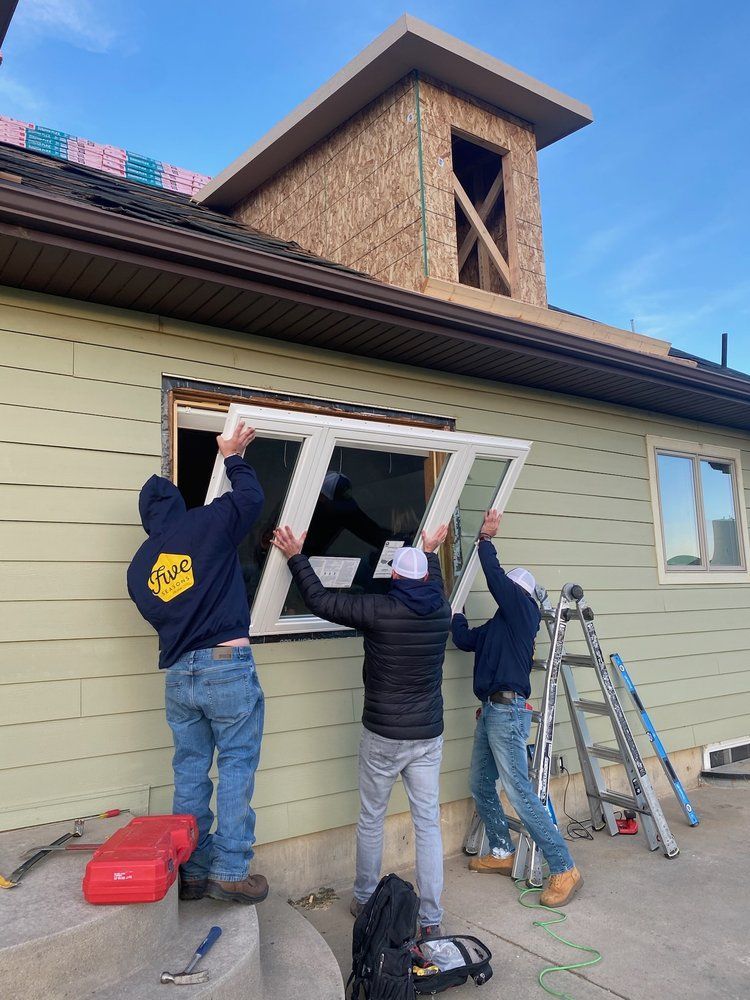
Before evaluating how long replacement windows may perform in your home, it helps to understand how installation practices influence long-term operation. Proper installation supports alignment, weather protection, and smooth function—especially important in a climate with strong UV exposure and temperature variability.
For a detailed overview of the installation process, review our guide:
https://www.fiveseasonswindows.com/double-hung-window-installation-process-for-colorado-homeowners
This resource outlines measurement, preparation, and installation steps that contribute to window performance in Colorado conditions.
Our Take
At Five Seasons Windows & Doors, we have installed thousands of windows across Colorado’s varied climate zones. In our experience, materials respond differently depending on exposure, installation method, and ongoing maintenance. Fiberglass-based systems—including Marvin® Elevate™ and Essential™—tend to show stable performance in regions with significant temperature movement, while vinyl may require closer attention on high-sun elevations. Wood remains a long-lasting option with proper finishing and care.
We encourage homeowners to evaluate windows based on a combination of factors: material characteristics, installation practices, exposure conditions, and maintenance needs. This approach provides a more practical understanding of long-term performance than relying on generalized lifespan expectations.
Final Takeaway
Replacement window longevity varies and is influenced by material selection, climate exposure, installation quality, and maintenance practices. Colorado’s UV intensity, freeze–thaw cycles, and rapid temperature changes create conditions where different materials may age at different rates.
Selecting materials suited to Colorado’s environment—and working with experienced installers—supports reliable operation and consistent performance over time. With appropriate care and proper installation, homeowners can expect their windows to function effectively within the unique demands of Colorado’s climate.
Get Started Today
Five Seasons Windows & Doors is Colorado’s top-rated local window company with 230+ 5-star reviews. We offer expert advice, no-pressure quotes, and flexible project options — including phased installs. Schedule your consult today.