

The double hung window installation process for Colorado homeowners involves measurement and assessment of existing openings, careful removal of old windows, preparation of rough openings, installation and fastening of new units, sealing and insulation, and final operational checks. Most residential installations can typically be completed within a single day, depending on the number of units and home conditions. Colorado’s altitude, temperature variations, and rapidly changing weather patterns may influence installation scheduling and certain technique considerations.
Understanding the installation process helps homeowners prepare appropriately, coordinate household activities, and recognize workmanship practices that support intended window performance. While installation requirements differ across manufacturers and product lines, following published installation instructions and using proper techniques helps support long term function.
Colorado’s climate, including high altitude UV exposure, substantial temperature swings, and variable precipitation, creates conditions where installers must pay close attention to weather protection and appropriate sealing methods. The following sections outline the installation stages while highlighting considerations relevant to Colorado homes.
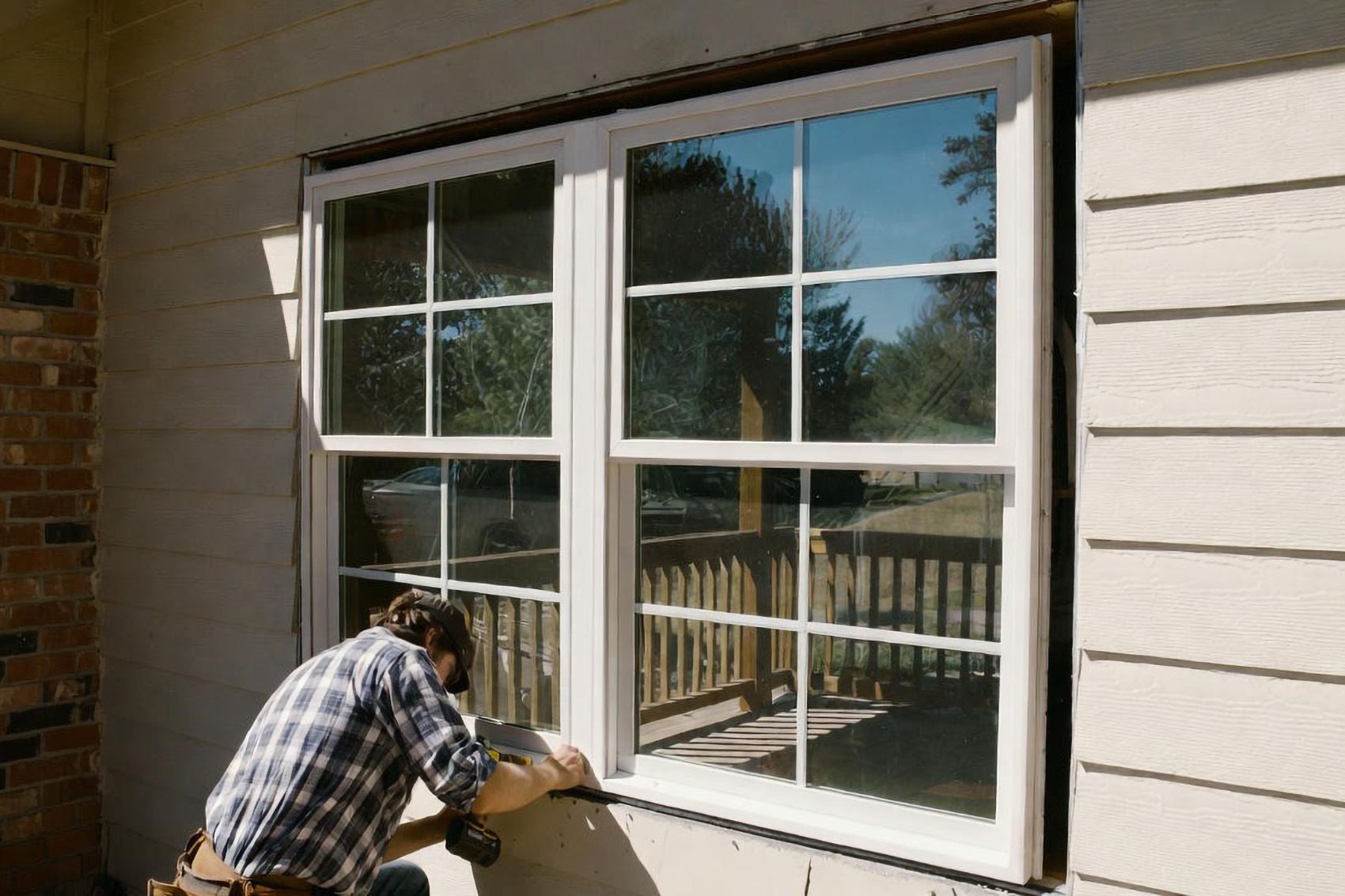
Measure and Assess Existing Openings
Accurate measurement helps determine correct unit sizing and identifies any irregularities in the opening that may need attention before installation. Installers measure the width at three points (top, middle, and bottom) and height at three points (left, center, and right), using the smallest measurements to help support a proper fit. Older Colorado homes often have settled or non square openings, making careful assessment especially important.
During assessment, installers check for signs of rot, water exposure, structural movement, or other conditions that could influence window performance. This includes reviewing sill condition, evaluating framing stability, and identifying areas that may require repair. Freeze thaw cycles and moisture variations common in Colorado can accelerate deterioration in aging framing materials.
Weather considerations also play a role in the measurement process. Temperature can influence material dimensions, and installers may schedule measurement and installation during conditions favorable for accurate sizing and safe installation.
Remove Existing Windows Carefully
Removal is performed in a way that helps limit unnecessary damage to surrounding trim, siding, and interior finishes. Installers typically remove interior stops, sash components, and exterior trim with care to preserve reusable elements when feasible. Protective coverings such as drop cloths or plastic sheeting help minimize dust and debris inside the home.
Once the old window is removed, the rough opening becomes fully visible. This allows installers to identify outdated insulation, air sealing gaps, or moisture management issues that may need updating before installing the new unit. Some Colorado municipalities offer recycling resources for glass and metal window components, and some homeowners choose to repurpose old windows for decorative or gardening projects if removed in good condition.
Prepare Openings and Apply Weather Protection
Opening preparation includes debris removal, repair of any damaged framing, and integration of moisture management components. Modern installation practices emphasize proper flashing, weather resistant barriers, and compatible sealants that work as a coordinated system. Colorado’s strong UV exposure and weather fluctuations make this step particularly important.
Installers insulate the gap between the rough opening and the window frame using low expansion foam or fiberglass material. This helps support thermal continuity around the window perimeter without distorting frame members. Preparing for Colorado’s temperature swings may involve allowing for expansion tolerances so windows operate consistently throughout the year.
Leveling and shimming help position the unit plumb, level, and square. Adjustments allow the window to operate as intended and help avoid binding or unwanted gaps.
Install and Secure Window Units
Installation begins by placing the window into the prepared opening and temporarily securing it while alignment is checked. Installers confirm level, plumb, and square placement before fastening the window permanently. Fasteners and fastening patterns follow the manufacturer’s published installation instructions, which outline requirements such as placement, spacing, and fastener type.
Manufacturers, including Marvin, publish installation manuals specific to each product line. Professional installers refer to these instructions to align their work with published specifications and support intended performance.
Colorado’s rapidly changing weather can influence installation timing. Installation teams typically coordinate exterior and interior tasks to limit exposure of the home’s interior, and they may apply temporary weather protection if conditions shift unexpectedly during the workday.
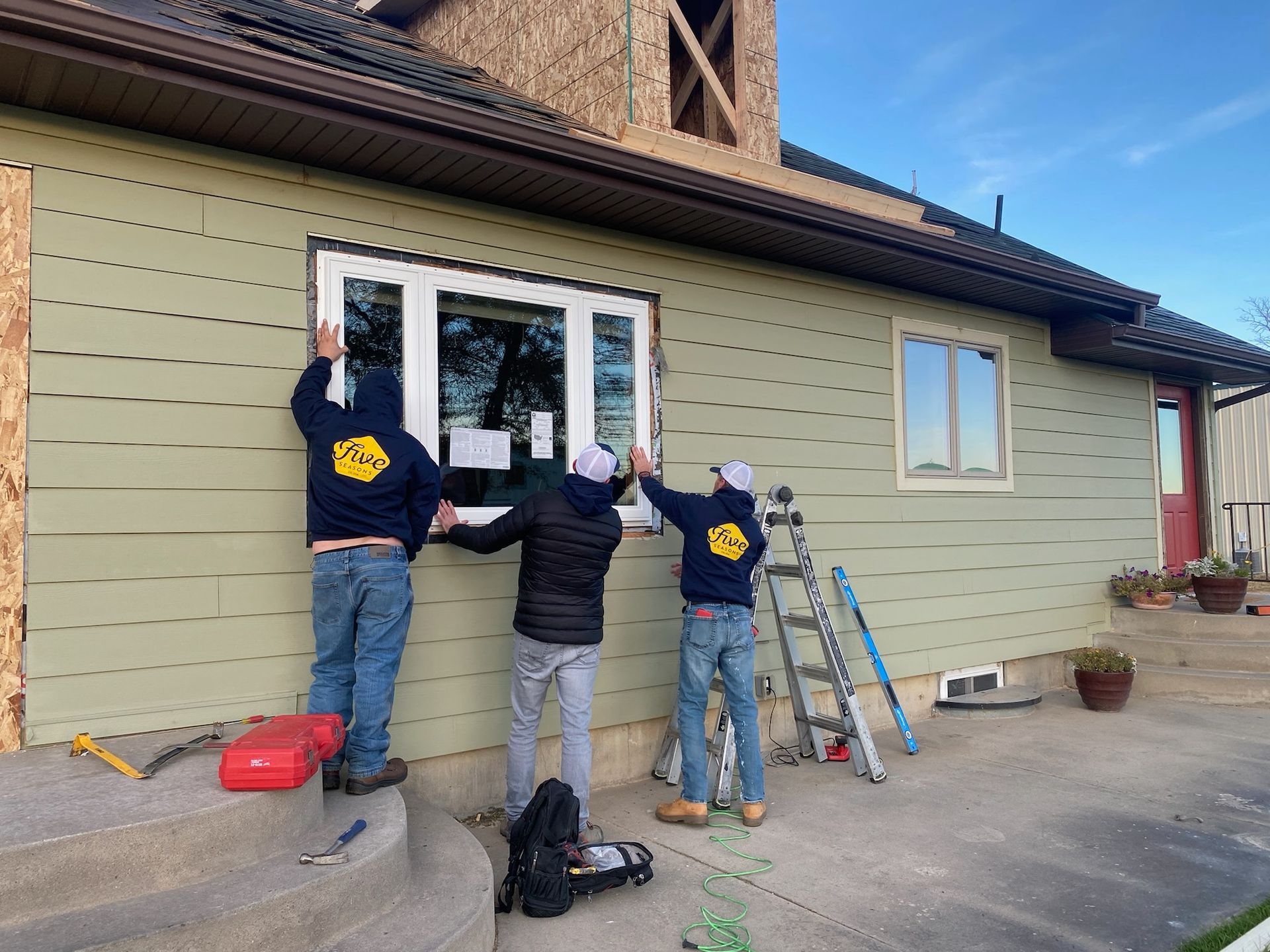
Seal, Insulate, and Finish Installation
After fastening, installers apply interior and exterior sealants to help reduce air and water infiltration around the window perimeter. Sealant selection depends on the materials involved and the expected weather exposure. Colorado’s broad temperature range and UV intensity require sealants designed for exterior durability and flexibility.
Interior and exterior trim components are then installed or reinstalled. Interior trim may remain unchanged if undamaged during removal, while exterior trim may require replacement or refinishing. Caulking trim joints helps support weather protection around the unit.
Final adjustments ensure that both sashes operate smoothly throughout their travel range, locks engage properly, and weatherstripping seats correctly when the window closes. Installers test for smooth movement, consistent contact with weatherstripping, and proper latch engagement.
Coordinate Timing and Preparation
Colorado’s weather patterns influence installation scheduling. Spring and fall often offer stable conditions suitable for installation. Summer installations may require monitoring for afternoon thunderstorms, while winter installations must account for temperature requirements associated with sealants and adhesives.
Homeowners can support a smooth process by clearing access pathways, protecting floors, removing window treatments, and securing pets away from work zones. Interior preparation provides installers with sufficient workspace and reduces household disruption.
Window installation may also coincide with siding projects, exterior painting, or other renovation work. Coordinating these improvements can simplify scheduling and help ensure each component of the building envelope works effectively together.
Additional Resource Before You Continue
For homeowners planning or considering more complex projects beyond standard double hung replacement, we recommend reviewing:
https://www.fiveseasonswindows.com/custom-window-installation-benefits-for-unique-colorado-home-designs
This guide explains how custom window solutions can support non standard openings, historic architectural details, and unique Colorado home designs, and how those considerations relate to planning window replacement projects.
Our Take
At Five Seasons Windows & Doors, we have completed many double hung window installations throughout Colorado and understand how proper installation practices support intended long term function. The most effective installations result from accurate measurement, thorough opening preparation, and appropriate weather protection suited to Colorado’s climate. These fundamentals help support overall performance across seasonal temperature variations and weather exposure.
Colorado’s high altitude UV conditions, temperature swings, and weather variability make experience with local installation practices important. We work with installation professionals who apply techniques suited to regional considerations while following manufacturer installation instructions for the product being installed.
We believe that homeowners benefit from understanding the steps involved in the process. Familiarity with these details allows homeowners to recognize workmanship practices that align with published guidance and to make informed decisions when planning window replacement projects.
Final Takeaway
The double hung window installation process for Colorado homes includes measurement and assessment, careful removal of existing units, preparation of the rough opening, installation and fastening of new units, sealing and insulation, and final operation checks. Most projects can be completed within a day while considering altitude, temperature variation, and weather conditions.
Experienced installation teams, attention to proper preparation, and adherence to manufacturer instructions help support long term operation and energy performance. Understanding this process allows homeowners to prepare effectively and evaluate the quality of work performed, contributing to a smoother installation experience across Colorado’s seasonal climate conditions.
Get Started Today
Five Seasons Windows & Doors is Colorado’s top-rated local window company with 230+ 5-star reviews. We offer expert advice, no-pressure quotes, and flexible project options — including phased installs. Schedule your consult today.