

For most Colorado homeowners, fall and winter are quietly the smartest seasons to replace windows, and the reasons have little to do with the weather and a lot to do with how the window business actually works. The peak demand of spring and summer pushes pricing and wait times up, while the slower fall and winter months tend to bring more scheduling flexibility, faster turnaround, and contractors with the time to focus on a single project rather than juggling a packed summer calendar. Add the fact that new windows installed before or during the cold season start cutting heating bills immediately, and the off-season case becomes compelling for a buyer who is ready to move.
The old assumption that windows can only be installed in warm weather no longer holds. Professional installers replace windows year-round in Colorado, using cold-weather techniques and materials that keep the home comfortable while the work is underway. A skilled crew handles cold weather as a matter of routine, which means the practical question for a buyer is not whether fall or winter installation is possible, but whether the off-season advantages make it the right time to act.
This buyer's guide walks through how the seasons compare for a Colorado window project, why fall and winter tend to favor the homeowner, and how to plan the timing so the project goes smoothly. The aim is to help someone who already knows they need new windows decide when to pull the trigger, and to make the case that waiting for spring is often the more expensive, slower path.

How the Seasons Compare for a Colorado Window Project
Spring and Summer: Peak Season, Peak Demand
Spring and summer are when most homeowners think about home improvement, and that is precisely the problem for anyone trying to get a window project scheduled. The warm months are peak season for the entire exterior remodeling industry, which means installers are booked further out, scheduling is tighter, and pricing reflects the high demand. A homeowner calling in May or June is competing with everyone else who decided spring was the time, and the result is often a longer wait for an installation date.
The weather in those seasons is admittedly easy, with mild temperatures that suit installation well. But the tradeoff is that the convenience of warm-weather installation comes bundled with the costs of peak demand: less scheduling flexibility, crews stretched across many concurrent jobs, and pricing at its least negotiable. For a buyer focused on value and a smooth process rather than just comfortable installation weather, the busy season works against them in several ways at once.
Fall and Winter: The Off-Season Advantage
Fall and winter flip that equation. As the spring and summer rush subsides, contractor availability improves, scheduling becomes more flexible, and the slower season gives crews the room to focus on a project without the pressure of a packed summer calendar. For a homeowner, that often translates into a faster path from first consultation to finished installation, and into a crew that can give the job their full attention rather than squeezing it between others.
Fall in particular tends to be a sweet spot. Temperatures across much of Colorado's fall sit in a range that suits installation and lets sealants and caulk set well, humidity is lower than in summer, and the timing means the new windows are in place before the coldest weather arrives. Winter extends many of the same scheduling and availability advantages, with the added benefit that a window project done in the cold season starts paying back in lower heating bills right away. The off-season is not a compromise; for many buyers it is the better choice on the terms that actually matter.
Why Fall Is Often the Sweet Spot
Beating the Cold to Capture Savings
The strongest practical argument for fall is timing the project to get efficient windows in place before winter sets in. Old, drafty, or single-pane windows are most punishing exactly when the temperature drops, bleeding heat and driving up bills through the coldest months. Replacing them in fall means the home is sealed and efficient before that happens, so the savings begin with the very first cold snap rather than after another winter of high bills.
This is where fall timing pays off in a way no other season can match. A project finished in October or November captures the entire heating season's worth of efficiency gains, while the same project delayed to spring means enduring another full winter with the old windows first. For a homeowner whose windows are already failing, the cost of waiting is not just a possible price increase but a full season of avoidable heating expense and discomfort.
Comfortable Conditions for a Clean Install
Beyond the savings, fall offers conditions that truly suit the work. The moderate temperatures common to a Colorado fall are well within the range where sealants and caulk adhere and cure properly, and the lower humidity reduces the condensation concerns that can accompany summer installation. A crew working in comfortable fall weather can do precise, unhurried work, which is exactly what a quality installation depends on.
The combination is what makes fall the season many professionals quietly prefer. The weather cooperates, the scheduling pressure of summer has eased, and the timing sets the home up for winter. For a buyer weighing when to act, fall delivers the practical installation benefits of the mild seasons without the peak-demand drawbacks of spring and summer, which is a combination the busier months cannot offer.
The Case for Winter Replacement
Off-Season Scheduling and Focus
Winter carries a reputation as the wrong time for window work, but for a prepared buyer it offers real advantages. The exterior remodeling industry slows in winter, which means installers have more open calendar, faster turnaround from consultation to installation, and the capacity to focus closely on a single project. A homeowner who would wait weeks for a slot in peak season can often move much faster in the winter months, and the crew handling the job is not stretched across a dozen concurrent summer installations.
There is also typically more room for competitive pricing in the slow season. Companies want to keep skilled crews working through the winter, which gives them reason to be more flexible on price and to offer better terms than they would during the summer crush. For a value-focused buyer who is ready to move, the off-season is often where the most favorable combination of price, speed, and attention comes together.
Cold-Weather Installation Done Right
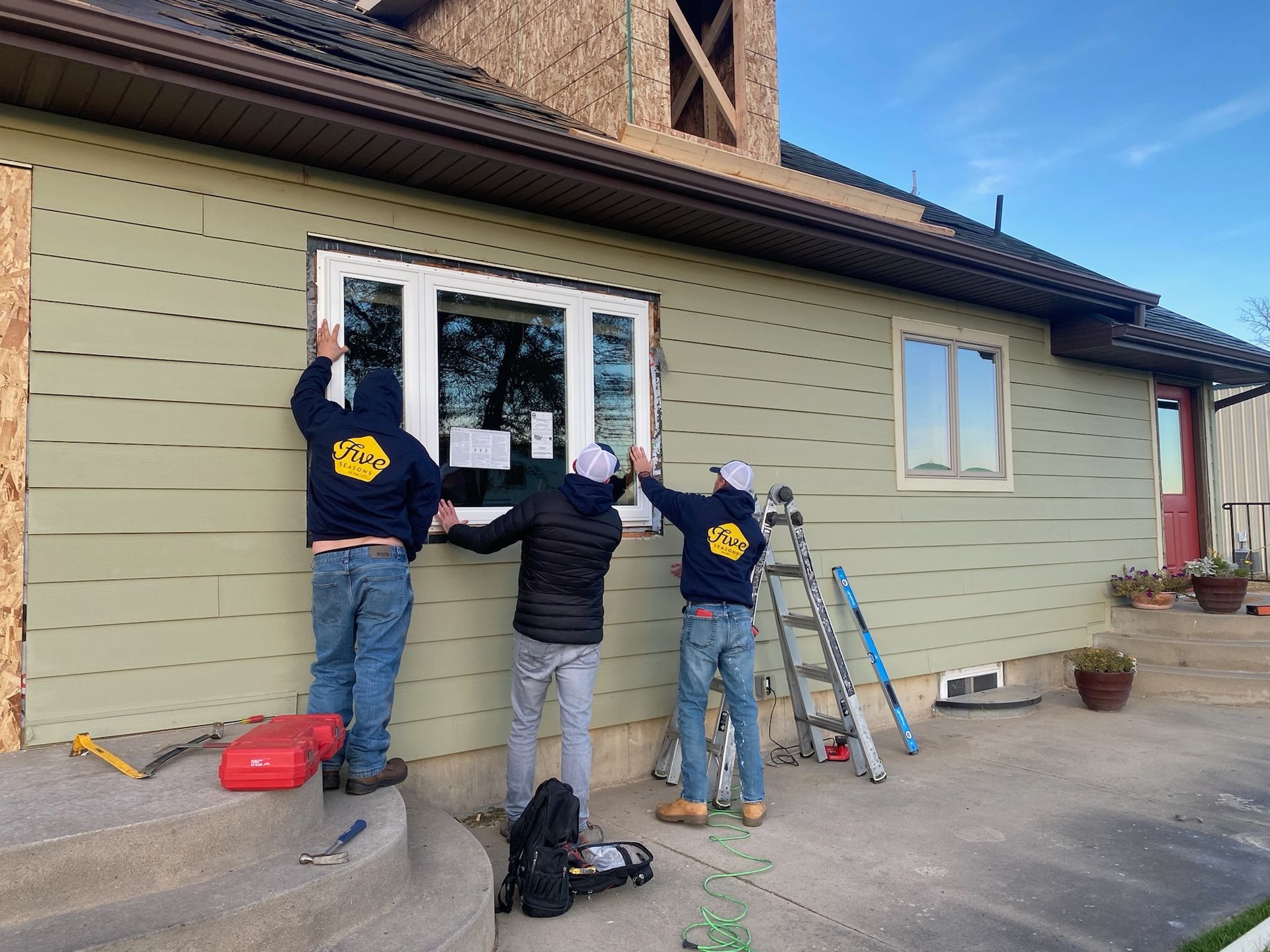
The concern that stops most people from considering winter installation is the cold itself, and it is a fair question that experienced crews answer through technique rather than avoidance. Winter-rated materials and a one-window-at-a-time method keep the home sealed and heated while the work is underway, so the cold becomes a factor the crew plans around rather than a reason to wait.
The deeper detail of how cold-weather installation works, and why a Denver snowstorm does not have to derail a project, is covered in our guide on Winter Window Replacement: Can It Be Done in a Denver Snowstorm?. The essential point for a buyer is that winter installation, done by an experienced crew with the right materials, is a routine and reliable process rather than a gamble. The cold is a factor the professionals plan around, not a reason to wait until spring.
Planning the Timing of Your Project
Order Early to Account for Lead Times
One detail that catches buyers off guard is the gap between deciding to act and the windows actually arriving. Quality windows, especially custom sizes or higher-performance products, are made to order and carry manufacturing lead times that can run several weeks to a couple of months. That means the decision to replace and the installation date are usually separated by a meaningful stretch, and planning around that gap is part of timing a project well.
The practical implication is that capturing the off-season advantage means starting the conversation early. A buyer who wants windows installed in late fall should be talking to an installer and placing the order well before then, since the lead time has to be built into the schedule. Waiting until the cold has already arrived to begin the process can push the installation deep into winter or into the spring rush, which undercuts the very advantages the off-season offers. For the broader context of how timing fits with the 2026 efficiency standard, frame materials, altitude, and the rest of a Colorado window decision, our Ultimate Guide to Window Replacement in Denver: 2026 Edition pulls the full picture together.
Matching the Timing to Your Home
The honest principle underneath all of this is that the best time to replace windows is when the home needs it. A homeowner with failing, drafty, or single-pane windows loses money every month those windows stay in place, so timing the project to a particular season matters less than not delaying it unnecessarily. The seasonal advantages of fall and winter are real, but they are reasons to act in the off-season rather than reasons to postpone a needed project waiting for a specific month.
For a buyer whose windows are clearly due, the strongest plan is usually to start the process in late summer or early fall, place the order accounting for lead time, and have the installation done before or during the cold season. That approach captures the off-season scheduling benefits, gets efficient windows in place before the heating bills climb, and avoids the peak-season wait of spring. It is the sequence that tends to serve a ready buyer best.
People Also Ask About Window Replacement Timing in Colorado
1. Is fall really a good time to replace windows in Colorado?
Fall is one of the best times, for several reasons that work together. The temperatures common to a Colorado fall suit installation well and let sealants cure properly, the humidity is lower than in summer, and contractor availability improves as the spring and summer rush winds down. On top of those practical advantages, replacing windows in fall means the home is sealed and efficient before winter arrives, so the energy savings begin with the first cold weather rather than after another season of high bills.
For a homeowner whose windows are already due for replacement, fall offers a combination that is hard to beat: comfortable working conditions, easier scheduling than peak season, and timing that captures the full heating season's worth of efficiency gains. It is the season many installation professionals quietly consider the sweet spot.
2. Can windows really be installed in winter in Colorado?
Yes, and experienced crews do it routinely. Professional installers use winter-rated sealants designed to stay flexible and cure in cold temperatures, and they work one window at a time so the home is never broadly exposed to the cold. The opening for any single window is brief, the rest of the house remains sealed and heated, and the process is managed so the home stays comfortable throughout the project.
The cold is a factor that professionals plan around rather than a barrier. Our guide on winter window replacement covers the specific techniques in more detail, but the essential point is that winter installation by a skilled crew with the right materials is a reliable, routine process. The reputation of winter as the wrong time to install windows is largely outdated.
3. Is it cheaper to replace windows in the off-season?
The off-season often brings more favorable pricing, though the exact difference varies by company and project. Because demand drops after the spring and summer peak, contractors have more incentive to keep their crews busy through fall and winter, which tends to translate into more competitive pricing and more flexible terms than the high-demand months. The slower season also means faster scheduling and crews that can focus closely on a single project.
Rather than promising a specific discount, the honest way to put it is that the off-season generally favors the buyer on price, speed, and attention all at once. A homeowner who is ready to move and gets a quote in the fall or winter is likely to find the overall terms more favorable than they would during the spring rush. The best way to know is to get a current quote and see.
4. Should I wait until spring to replace my windows?
Usually not, if the windows are already failing. Waiting until spring means enduring another full winter with drafty or inefficient windows, which costs money in heating bills and comfort the whole time, and then entering the peak season when demand, wait times, and pricing are all at their highest. For a homeowner whose windows are due, waiting for spring tends to be the slower and more expensive path.
Spring and summer installation is perfectly fine when that is when a project comes together, and the mild weather is certainly convenient. But choosing to wait for spring specifically, when the windows could be replaced sooner, generally means paying more and waiting longer while continuing to lose energy through the old windows in the meantime. For a ready buyer, acting in the off-season is usually the better move.
5. How far ahead should I start the process?
Earlier than most people expect, because of manufacturing lead times. Quality windows, especially custom or higher-performance products, are made to order and can take several weeks to a couple of months to produce. The order date and the installation date are usually separated by that lead time, so a buyer who wants windows installed by a particular point needs to start the conversation and place the order well ahead of it.
For a fall or early-winter installation, that often means beginning in late summer or early fall. Starting early ensures the lead time fits into the schedule and that the project captures the off-season advantages rather than slipping into the spring rush. The simplest approach is to begin the consultation as soon as replacement is on the horizon, so the timing works in the buyer's favor rather than against it.
Our Take
At Five Seasons Windows & Doors, we often tell homeowners that the off-season is the buyer's season, and we mean it. The fall and winter months bring the scheduling flexibility, the faster turnaround, and the focused crew attention that the spring and summer rush simply cannot offer, and they let a homeowner get efficient windows in place before or during the cold season when the savings matter most. For a buyer who already knows new windows are coming, waiting for spring usually means paying peak-season prices and waiting longer while losing energy through the old windows all winter.
We work with the brands we trust most for Colorado homes, Marvin, ProVia, and Anlin, and because quality windows are made to order, the off-season timing works best when the order is placed early enough to account for lead times. For homeowners making the investment, the Marvin Signature collection, especially the Ultimate line, is worth the planning that ordering ahead requires, since the build quality and performance reward a buyer who times the project well rather than rushing it at the last minute. Getting the order in during late summer or fall is how a buyer lines up a premium product with an off-season installation.
What we would tell any Colorado homeowner with windows already due is to act on the off-season advantage rather than drift into another spring. Start the conversation early, get a current quote, and plan the installation for fall or winter so the home is efficient before the cold deepens. The buyer who plans this way gets better scheduling, a smoother project, and savings that start sooner, which is the combination that makes fall and winter the smart seasons to act.
Final Takeaway
For Colorado homeowners, fall and winter are the seasons that quietly favor the buyer. The spring and summer peak brings higher demand, tighter scheduling, and less favorable pricing, while the slower off-season turns those same pressures into advantages and puts efficient windows in place before the heating bills climb. Fall in particular hits a sweet spot, with temperatures that suit installation, lower humidity, and the chance to capture the full heating season's savings, while winter extends the scheduling and pricing advantages with cold-weather installation that experienced crews handle as a matter of routine.
The old idea that windows can only go in during warm weather is outdated. Professional installers work year-round with winter-rated materials and one-window-at-a-time methods that keep a home comfortable throughout, which means the real question for a buyer is not whether off-season installation is possible but whether its advantages make it the right time to act. For a homeowner whose windows are already failing, the answer is usually yes.
The smart plan for a ready buyer is to start early, account for the lead time that quality made-to-order windows require, and schedule the installation for fall or winter. That sequence captures the off-season scheduling and pricing advantages, gets efficient windows in place before the coldest weather, and avoids the spring rush entirely. The best time to replace windows is when the home needs them, and for the many Colorado homes with windows already due, the off-season is the season to act on it.
Get Started Today
Five Seasons Windows & Doors is Colorado’s top-rated local window company with 230+ 5-star reviews. We offer expert advice, no-pressure quotes, and flexible project options — including phased installs. Schedule your consult today.