

For Colorado homeowners considering Marvin Signature® Ultimate windows, understanding how different glass options perform in our state's high-altitude climate helps achieve optimal energy efficiency, UV protection, and long-term durability. Colorado's intense UV radiation, temperature fluctuations, and elevation create glass performance requirements that differ from moderate climates.
Understanding Low-E coating options, dual-pane versus triple-pane construction, and high-altitude glazing requirements helps Colorado homeowners make informed glass choices. Always compare NFRC (National Fenestration Rating Council) labels for your exact window sizes and configurations, as performance values vary by product type, size, and glass package.
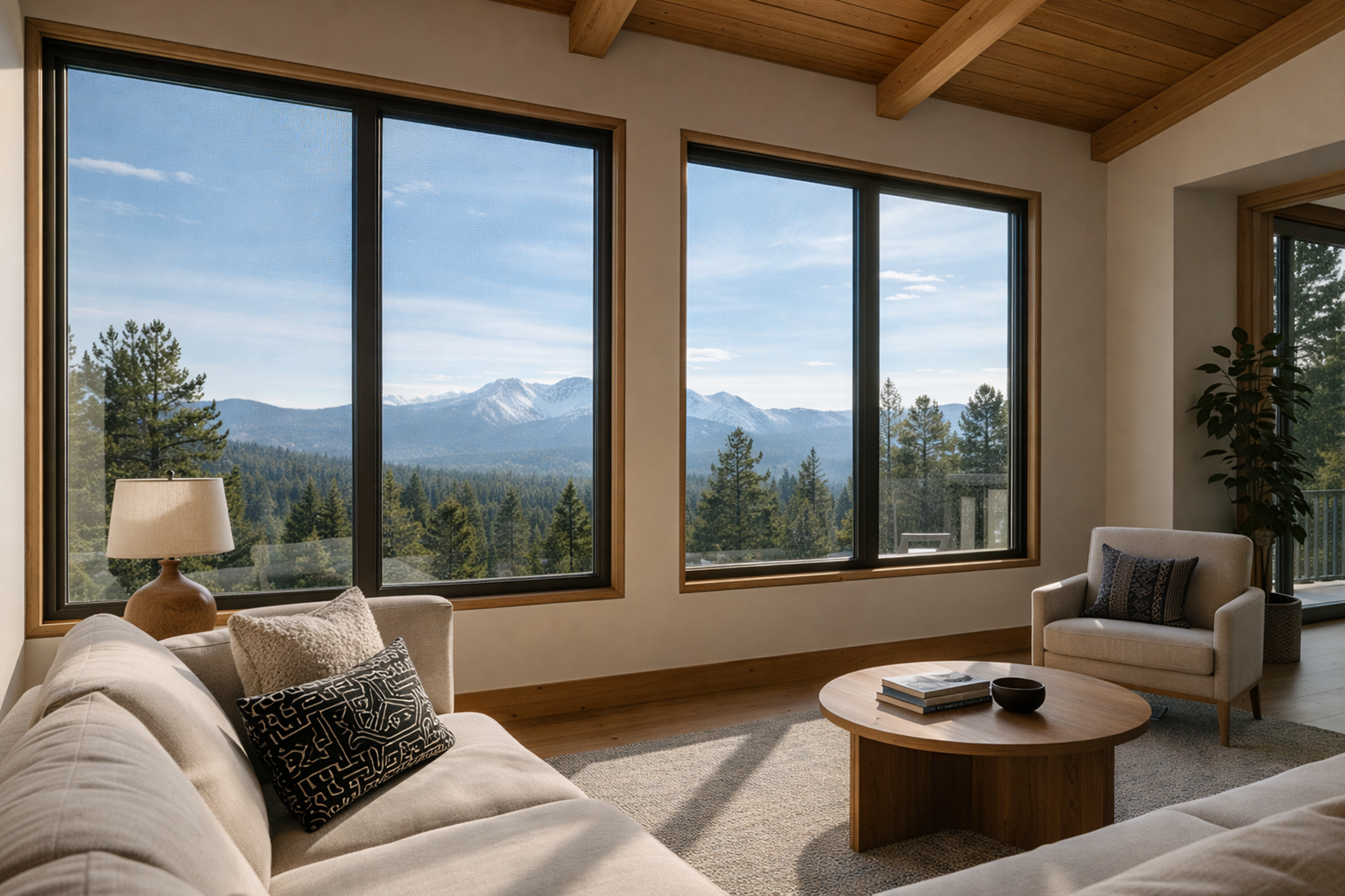
Low-E Coating Options for Colorado Climate
Low-E1 for Solar Heat Gain
Low-E1 coatings allow solar heat gain while providing thermal resistance, making them suitable for applications where passive solar heating provides winter energy benefits. According to Marvin's product literature, this coating type is "generally used in Northern climates where heating is prioritized over cooling," with maximum benefits "when windows with this type of coating are positioned to receive direct sun exposure." North-facing windows or high-altitude locations where heating costs dominate may benefit from Low-E1's solar heat characteristics, though south and west-facing windows may experience summer heat gain requiring window treatments.
Low-E2 for Balanced Performance
Low-E2 represents a common coating selection for Colorado applications, providing balanced thermal performance that reduces heat loss during winter while limiting solar heat gain during summer. According to Marvin, Low-E2 "works well across most geographic regions and climates" with "two metallic coatings" that balance "less solar heat gain and improved radiant heating properties." Colorado Springs and other Front Range communities often specify Low-E2 for windows addressing both heating and cooling demands throughout annual weather cycles, while also providing UV protection for interior furnishings.
Low-E3 for Solar Heat Rejection
Low-E3 coatings provide solar heat rejection while maintaining thermal insulation, making them appropriate for south and west-facing exposures where summer heat gain creates comfort concerns. According to Marvin, Low-E3 coating "uses multiple metallic layers for radiant properties" and is "most commonly used in Southern, sunny climates where cooling is prioritized over heating." Colorado applications typically focus on specific sun-exposed areas like south-facing great rooms or west-facing bedrooms rather than whole-home specifications, as the reduced solar heat gain may affect beneficial winter passive solar heating.
Dual-Pane Versus Triple-Pane Construction
Standard Dual-Pane Performance
Quality dual-pane windows with proper Low-E coatings provide thermal performance suitable for many Colorado applications. The dual sealed insulating cavity creates thermal resistance while maintaining reasonable costs and standard sash weights compatible with most window hardware systems. Specific U-factor performance varies by window size, frame material, and glass package—verify NFRC labels for exact specifications.
Dual-pane construction proves cost-effective for smaller windows, standard replacement applications, and locations where extended extreme cold periods don't require maximum thermal performance. For many Colorado homeowners, properly specified dual-pane windows deliver satisfactory comfort and energy performance without the additional costs and weight considerations associated with triple-pane alternatives.
Triple-Pane Performance Advantages
Triple-pane construction adds a third glass layer and second sealed insulating cavity, providing superior thermal resistance for high-altitude communities, mountain homes, and applications where cold-weather performance justifies premium costs. The additional glass layer and gas space may also enhance acoustic performance reducing exterior noise transmission compared to dual-pane alternatives. Specific U-factor performance varies by window size and configuration—verify NFRC labels for exact specifications.
Marvin Signature® Ultimate offers triple-pane glazing options on select windows and doors (availability varies by product type and size) where glass thickness and hardware design allow. Some large casements, specialty shapes, or scenic doors may be limited to dual-pane configurations due to sash weight and hardware capacity. Colorado's mountain communities, north-facing exposures, and large window areas represent applications where superior thermal performance may justify the investment through comfort improvements and energy savings.
Condensation Resistance Requirements
Interior Surface Temperature Management
Glass selection affects interior surface temperatures during cold weather, with higher-performance glass packages maintaining warmer interior surfaces that may help reduce condensation risk. Higher-performance glass helps the inner glass surface remain warmer than standard windows during cold periods.
However, condensation control depends primarily on indoor humidity levels, ventilation systems, and temperature balance within the home—glass performance alone cannot eliminate condensation if indoor humidity exceeds what window surface temperatures can accommodate. Higher-performance glass raises the temperature threshold before condensation forms, though proper indoor humidity management remains essential for condensation prevention.
Preventing Moisture-Related Issues
Repeated condensation cycles can affect window components including weatherstripping, finishes, and frames. Colorado's cold winter temperatures combined with indoor humidity levels create conditions where condensation may occur on lower-performance windows, making adequate glass specifications one consideration for long-term window durability.
Higher-performance windows with low U-factors may help reduce condensation compared to standard alternatives when combined with appropriate indoor humidity control, supporting window longevity through reduced moisture exposure. This proves especially relevant in Colorado mountain homes where extended cold periods and indoor conditions make moisture control important for preserving window investments.
High-Altitude Glazing Considerations
Sealed insulating glass units experience pressure changes when installed at elevations different from manufacturing locations. Colorado's elevated locations can create stress on glass seals without appropriate solutions. According to Marvin's product literature, specialty glass options are available "for unique project needs like sound abatement (STC/OITC), high altitudes, Sea Turtle Conservation Codes, and California fire zones." Work with your Marvin dealer to determine high-altitude glazing requirements appropriate for your specific elevation and project needs.
NFRC Label Verification
NFRC (National Fenestration Rating Council) labels provide standardized performance data including U-factor, Solar Heat Gain Coefficient, Visible Transmittance, and Air Leakage values. These ratings reflect whole-window performance including glass, frames, and spacer systems rather than center-of-glass values. Always refer to NFRC label data on the specific unit being ordered, as performance values differ by size and configuration even within the same product line. Larger windows may show different performance values than smaller units, while custom sizes and specialty shapes may achieve different ratings than catalog specifications. Request NFRC labels for your exact window sizes before finalizing selections.
People Also Ask About Choosing the Right Glass for Colorado Homes
1. What is the best Low-E coating for Colorado climate?
Low-E2 coatings provide suitable performance for many Colorado Front Range applications, offering balanced thermal resistance during heating seasons while limiting solar heat gain during summer months. According to Marvin, Low-E2 "works well across most geographic regions and climates." Mountain communities may benefit from Low-E1 on south-facing windows for passive heating, while homes with cooling concerns may require Low-E3 on west-facing glass.
The optimal Low-E selection depends on elevation, exposure, and heating versus cooling priorities. Many Colorado homes benefit from mixed specifications using Low-E2 for most windows while applying Low-E1 or Low-E3 for specific exposures. Discuss with your Marvin dealer which coatings are appropriate for your application.
2. Do I need triple-pane windows in Colorado?
Triple-pane windows deliver greatest value in Colorado's mountain communities, high-altitude locations, and areas experiencing extended heating seasons where superior thermal resistance justifies premium costs through comfort improvements and energy performance. Front Range communities often achieve satisfactory performance with quality dual-pane windows featuring proper Low-E coatings, though condensation-prone exposures or large window areas may warrant triple-pane investments.
The decision involves analysis of climate conditions, window exposure, performance priorities, and budget rather than universal recommendations. Marvin Signature® Ultimate offers both options (availability varies by product type and size). Verify NFRC labels for exact performance values for your window specifications.
3. How does altitude affect window glass performance?
Altitude creates challenges including increased UV radiation and pressure considerations for sealed insulating glass units. Colorado locations at elevated altitudes experience increased UV radiation compared to sea-level areas, which can accelerate UV damage to window components and interior furnishings without adequate glass protection. According to Marvin's product literature, specialty glass options are available "for unique project needs like sound abatement (STC/OITC), high altitudes, Sea Turtle Conservation Codes, and California fire zones."
Work with your Marvin dealer to identify high-altitude glazing options appropriate for your elevation, ensuring performance in Colorado's mountain communities and elevated locations.
4. What glass specifications reduce heating costs most effectively?
Low U-factors help minimize heat loss through window surfaces, with improved thermal resistance reducing heating system runtime. Triple-pane construction provides enhanced thermal resistance compared to dual-pane alternatives, though specific performance values vary by window size—verify NFRC labels for exact specifications. Total heating cost impact also depends on solar heat gain management through proper Low-E coating selection, as south-facing windows may benefit from coatings that allow solar heat gain for passive heating.
The most effective glass strategy combines appropriate thermal resistance with climate-optimized Low-E coatings balancing winter solar gains and summer heat rejection. Consult with your Marvin dealer regarding glass specifications appropriate for your heating priorities and climate conditions.
5. Can I mix different glass types in the same home?
Yes, mixing glass specifications optimizes performance and cost by applying premium features where they deliver greatest benefits while using standard specifications for less demanding applications. South-facing great rooms may justify Low-E3 solar control, north-facing bedrooms benefit from Low-E1 thermal resistance, while east and west exposures perform well with balanced Low-E2 specifications. Large window walls and high-altitude installations may warrant triple-pane construction while standard-size windows perform satisfactorily with quality dual-pane alternatives.
Marvin Signature® Ultimate's extensive customization options support mixed glass specifications throughout homes. Working with experienced professionals helps determine which windows justify premium glass investments and which applications achieve satisfactory results with standard specifications.
Our Take
At Five Seasons Windows & Doors, we regularly specify glass packages for Colorado homes throughout mountain communities and Front Range locations where proper glass selection affects long-term comfort, energy costs, and window durability. Our experience shows that many homeowners benefit from mixed specifications using appropriate glass on challenging exposures while applying cost-effective options elsewhere, optimizing performance value within project budgets.
Colorado's combination of high-altitude UV exposure, temperature fluctuations, and extended heating seasons makes climate-specific glass selection more important than in moderate climates. We believe informed glass selection requires understanding how Low-E coatings, pane counts, and high-altitude features interact to deliver climate-appropriate performance. Working with Marvin Signature® Ultimate's extensive glass options and verifying NFRC labels for your exact window specifications helps ensure windows perform as intended for Colorado's demanding conditions.
For more information on how window upgrades affect energy performance, see our guide to energy-efficient window upgrades in Colorado.
Final Takeaway
Choosing the right glass for Colorado homes requires matching Low-E coating selections, dual-pane versus triple-pane construction, and high-altitude glazing requirements to our state's climate challenges including UV radiation, temperature variations, and elevation-related considerations. Understanding how different glass packages perform in Colorado's heating-dominant mixed climate helps homeowners make informed decisions optimizing performance value through appropriate features on challenging exposures while using cost-effective specifications where suitable.
Professional guidance matching glass specifications to Colorado's climate demands combined with NFRC label verification for your exact window sizes helps ensure glass investments deliver expected performance benefits. Your Marvin dealer can help identify appropriate glass options for your specific application, elevation, and performance priorities.
Get Started Today
Five Seasons Windows & Doors is Colorado’s top-rated local window company with 230+ 5-star reviews. We offer expert advice, no-pressure quotes, and flexible project options — including phased installs. Schedule your consult today.