

Low-E (low emissivity) coated glass represents a significant advancement in window technology that fundamentally changes how windows manage heat and light. According to Marvin, Low-E coatings are "microscopically thin, essentially invisible coatings on the glass surface that help manage the amount of light and heat conducted through a window pane or reflected away from it, reducing a home's dependence on heat and air conditioning."
Unlike older solutions such as tinted glass or window films that reduce light transmission to control heat, Low-E coatings use advanced metallic layers to selectively reflect infrared radiation while maintaining natural light and clear views. Understanding how this technology works, what benefits it delivers, and how it compares to alternatives helps homeowners evaluate whether Low-E glass justifies the incremental cost for their window replacement project.
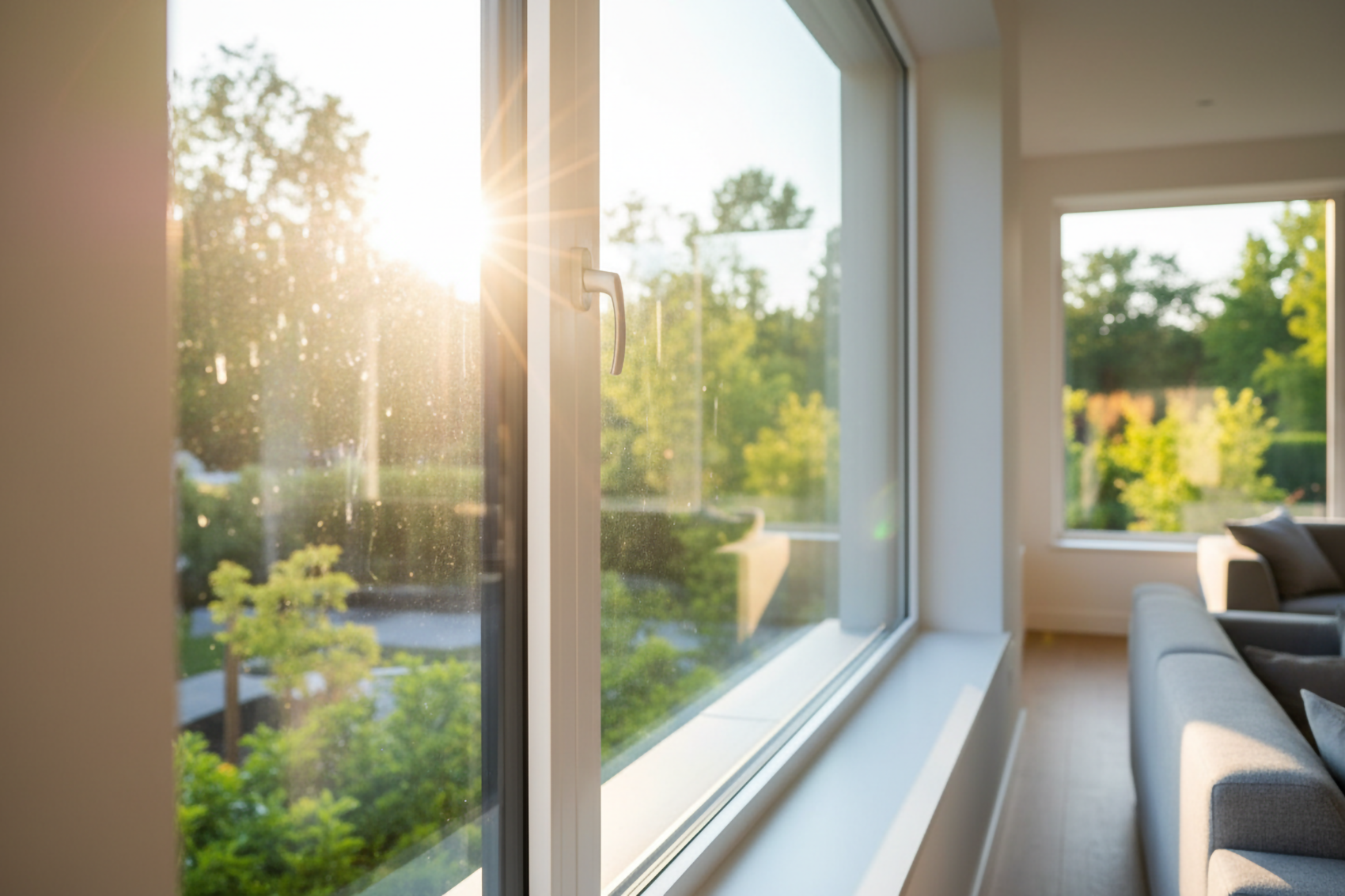
How Low-E Coating Technology Works
Low-E coatings are applied during manufacturing through processes that permanently bond microscopically thin metallic layers to glass surfaces. These factory-applied coatings become integral parts of the glass, protected between panes in insulated glass units, eliminating concerns about peeling, scratching, or wearing away over time.
The technology works by reflecting infrared wavelengths (heat) while allowing visible light to pass through. This selective reflection distinguishes Low-E from tinted glass that reduces both heat and light equally. Standard tinted glass blocks solar heat by absorbing energy and reducing light transmission, creating darker interiors. Low-E coatings achieve superior thermal performance while maintaining brightness and views, making them suitable for applications where natural light and energy efficiency both matter.
Key Benefits of Low-E Coated Glass
Energy Costs and Comfort
Low-E coated windows help reduce heating and cooling costs through year-round heat management. During winter, coatings reflect interior heat back into living spaces. During summer, they reflect exterior solar heat before it enters homes. The technology also maintains more consistent interior glass surface temperatures, reducing cold spots and drafts near windows during winter while limiting hot zones near sun-exposed windows during summer.
Energy savings vary significantly by existing window performance, climate conditions, and home characteristics. Homes replacing single-pane windows typically see more substantial improvements than those upgrading recent dual-pane installations. Homeowners frequently report that comfort improvements exceed expectations based solely on energy projections, with more consistent temperatures throughout rooms and reduced temperature stratification near windows. Verify NFRC (National Fenestration Rating Council) labels comparing U-factor and Solar Heat Gain Coefficient between existing and proposed windows for realistic performance expectations.
UV Protection and Long-Term Value
Low-E coatings are known in the industry to help reduce UV radiation transmission compared to standard uncoated glass, potentially helping preserve interior furnishings, flooring, and artwork from sun damage. This UV reduction occurs while maintaining good visible light transmission, avoiding darkness that heavily tinted alternatives create. The protection operates continuously without requiring blinds or window treatments that block views and reduce natural light. The degree of UV protection varies by coating type and formulation.
Comparing Low-E to Alternative Technologies
Low-E coatings represent a fundamentally different technology than older solutions such as tinted glass or after-market window films. Understanding these differences helps homeowners make informed decisions about window specifications.
Tinted glass reduces solar heat by absorbing energy and blocking light equally, creating darker interiors while offering no winter heating benefit. After-market window films provide limited performance with durability concerns including bubbling and peeling, while voiding most window warranties when applied to insulated glass units.
Standard dual-pane windows without Low-E improve thermal performance through insulating air space but ignore radiant heat transfer. Adding Low-E coating to dual-pane construction may significantly improve thermal performance compared to uncoated dual-pane windows, with the degree of improvement varying by climate, window size, and specific coating type. Verify NFRC labels for exact performance comparisons between coated and uncoated alternatives.
Cost and Value Considerations
Low-E coating represents an incremental cost compared to uncoated windows, with the exact premium varying by window manufacturer, size, and type. This incremental cost typically represents a small fraction of total project expenses while delivering substantial energy performance improvements.
Payback periods for Low-E investments vary significantly by climate, existing window performance, and local energy costs. However, payback calculations based solely on energy costs ignore comfort improvements, UV protection benefits, and potential home value increases that provide additional value beyond simple energy cost recovery. Most homeowners find that comfort improvements alone justify Low-E investments.
Low-E windows provide sustained value through maintenance-free performance and consistent benefits. Quality windows with Low-E glass represent desirable features for home buyers, potentially contributing to faster sales and better offers as energy efficiency increasingly influences purchasing decisions.
Common Questions About Low-E Glass
Does Low-E Glass Make Rooms Dark?
Low-E coatings maintain high visible light transmission, typically allowing substantial natural light to pass through. According to Marvin, Low-E coatings are "microscopically thin, essentially invisible coatings" that manage heat without creating noticeable darkness. Confusion about darkness often stems from experiences with heavily tinted glass or reflective coatings that do significantly reduce light. Modern residential Low-E coatings balance thermal performance with maintained brightness.
Does Low-E Coating Wear Off Over Time?
Low-E coatings are permanently bonded to glass during manufacturing and do not wear off, peel, or degrade under normal use. The microscopically thin metallic layers maintain performance throughout window service life without reapplication requirements. The coating requires no special care beyond normal window cleaning, distinguishing factory-applied Low-E from window films that may deteriorate over time.
When Low-E May Not Be Worth the Investment
Homes with quality windows installed within the past 10-15 years likely already feature Low-E coating, making replacement primarily for Low-E upgrade economically questionable. Homeowners uncertain about existing Low-E can check NFRC labels, consult original documentation, or contact window manufacturers for verification.
Budget-constrained homeowners may prioritize addressing severe window problems like failed seals or deteriorated frames over Low-E upgrades. However, given Low-E's modest incremental cost and substantial performance benefits, most find the additional investment worthwhile rather than installing standard glass requiring eventual upgrade.
People Also Ask About Low-E Coated Glass
1. How much does Low-E glass add to the window cost?
Low-E coating represents a modest incremental cost compared to identical windows without the coating, with the exact amount varying by window size, type, and manufacturer. The cost increment is relatively small compared to total window replacement expenses. Contact Five Seasons for specific pricing based on your project requirements and to understand how Low-E coating affects your total investment.
2. Can Low-E coating be added to existing windows?
Low-E coatings cannot be effectively added to existing windows as after-market treatments. The coating requires specialized manufacturing processes that bond metallic layers to glass during production. Window films marketed as Low-E alternatives provide inferior performance and often void window warranties when applied to insulated glass units. Homeowners wanting Low-E benefits require complete window replacement with new units featuring factory-applied coatings.
3. Does Low-E glass help in both summer and winter?
Yes, Low-E coatings provide year-round benefits through different mechanisms. During winter, Low-E reflects interior heat back into living spaces, reducing heat loss and lowering heating costs. During summer, Low-E formulations reflect exterior solar heat before entering homes, reducing cooling demands. The specific balance between winter heat retention and summer heat rejection varies by coating type, with different formulations optimized for heating-dominant, cooling-dominant, or mixed climates.
4. What maintenance does Low-E glass require?
Low-E coatings require no special maintenance beyond normal window cleaning. The microscopically thin metallic layers are permanently bonded to glass and protected between panes in insulated glass units, making them resistant to cleaning solutions, scratches, or normal wear. Homeowners can clean Low-E windows using standard glass cleaners without special precautions, with the coating maintaining performance indefinitely without reapplication or touch-ups.
5. How can I tell if my windows have Low-E coating?
Existing windows may have NFRC labels on frames or glass surfaces indicating glass specifications including Low-E coating presence. Original window documentation or manufacturer specifications may also indicate Low-E coating if present. A simple flame test (holding a lighter near glass while observing reflections) may show slightly different colored reflections with Low-E coated glass, though this test requires experience interpreting results and should only be performed carefully by professionals or experienced individuals. Contact window manufacturers or professional window companies for definitive verification if labels and documentation prove unavailable.
Related Reading
For Colorado-specific glass selection guidance addressing high-altitude UV exposure and mixed heating-cooling requirements, see our climate-specific glass performance guide.
Our Take
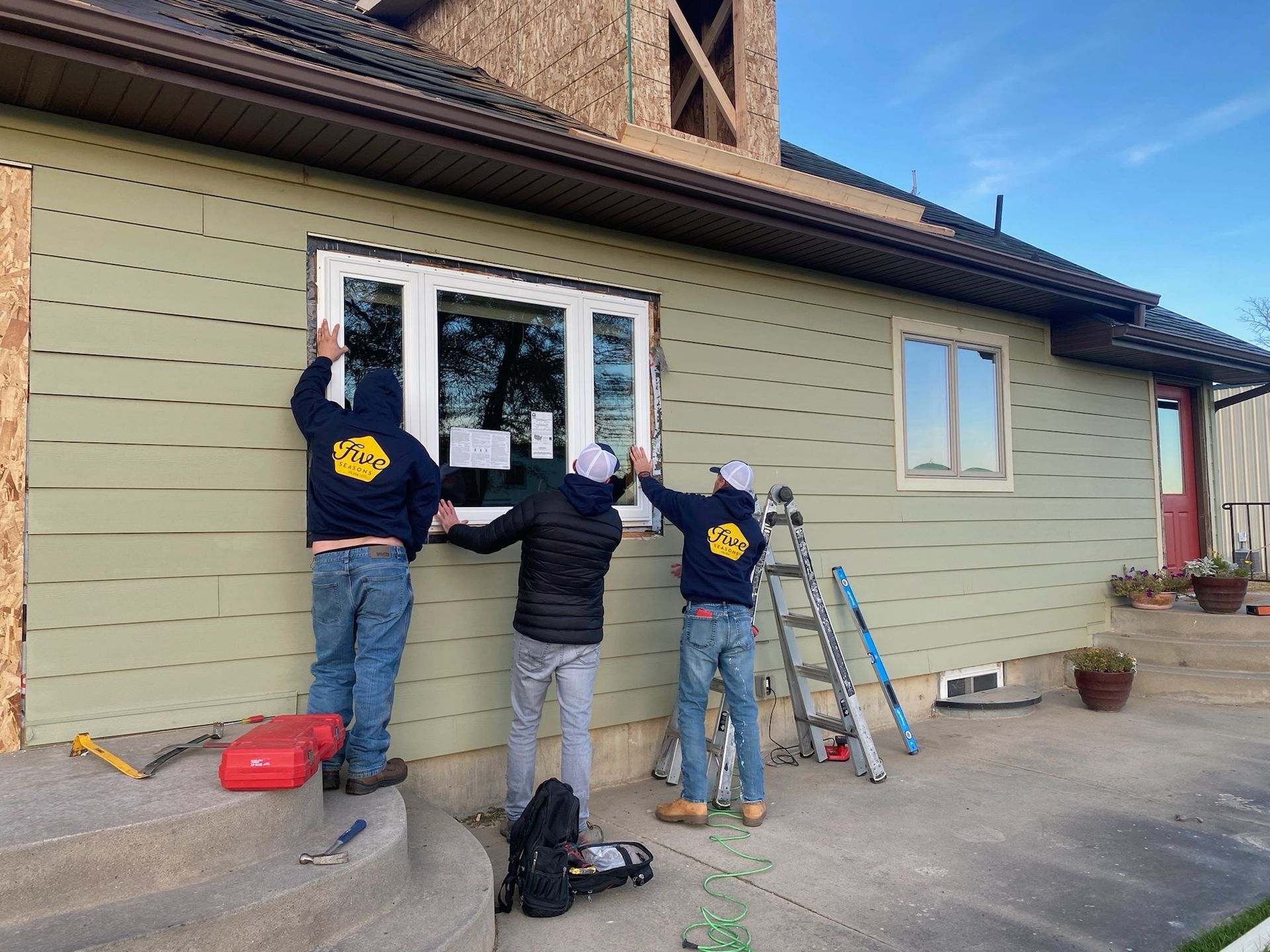
At Five Seasons Windows & Doors, we specify Low-E coated glass on virtually all window replacement projects throughout Colorado because the technology delivers compelling value that justifies modest incremental costs. Our experience shows that Low-E represents one of the most cost-effective window upgrades available, providing sustained energy performance, comfort improvements, and UV protection.
We've observed that clients replacing older windows without Low-E notice immediate differences in comfort through more consistent temperatures near windows, reduced drafts, and decreased HVAC runtime. These comfort improvements often exceed expectations based solely on energy cost projections. Working with Marvin ensures factory-applied Low-E coatings deliver proven performance backed by comprehensive testing rather than after-market treatments providing inferior results.
Final Takeaway
Low-E coated glass represents proven window technology that delivers energy savings, comfort improvements, and UV protection through microscopically thin metallic coatings that selectively reflect infrared radiation while maintaining natural light and views. According to Marvin, Low-E coatings "help manage the amount of light and heat conducted through a window pane or reflected away from it, reducing a home's dependence on heat and air conditioning."
The technology provides superior performance compared to alternatives including tinted glass or window films, achieving better thermal control while maintaining brighter interiors throughout window service life without maintenance requirements. Understanding Low-E benefits, how the technology works, and what value it provides helps homeowners make informed window replacement decisions. Quality Low-E coated windows deliver immediate comfort improvements plus sustained energy savings and UV protection, making them worthwhile investments for most window replacement projects.
Get Started Today
Five Seasons Windows & Doors is Colorado’s top-rated local window company with 230+ 5-star reviews. We offer expert advice, no-pressure quotes, and flexible project options — including phased installs. Schedule your consult today.