

Entry doors with proper weather stripping help reduce air infiltration and address water intrusion during rain and snow events by creating continuous seals around door perimeters. Multi-component weather stripping systems include door sweeps along bottom edges, compression seals on jambs and headers, and threshold seals that work together to limit moisture penetration and air leakage. Professional weather stripping installation creates barriers designed to withstand Colorado’s intense precipitation while supporting overall energy efficiency during heating and cooling seasons.
Colorado’s approaching rain and snow season brings precipitation challenges that test door sealing performance across freeze-thaw cycles, wind-driven moisture, and temperature swings that stress older or inadequate weather stripping.
According to the Department of Energy, insufficient door sealing can contribute to higher heating costs during winter when air leakage allows conditioned air to escape and permits cold drafts and moisture to enter. Properly selected and installed weather stripping supports more stable interior conditions during demanding weather patterns.
Understanding how different weather stripping types respond to rain and snow helps homeowners choose appropriate solutions before seasonal precipitation arrives. The goal is to use materials designed for Colorado’s altitude and temperature variations while ensuring complete coverage across all areas where moisture and air may enter a door assembly.
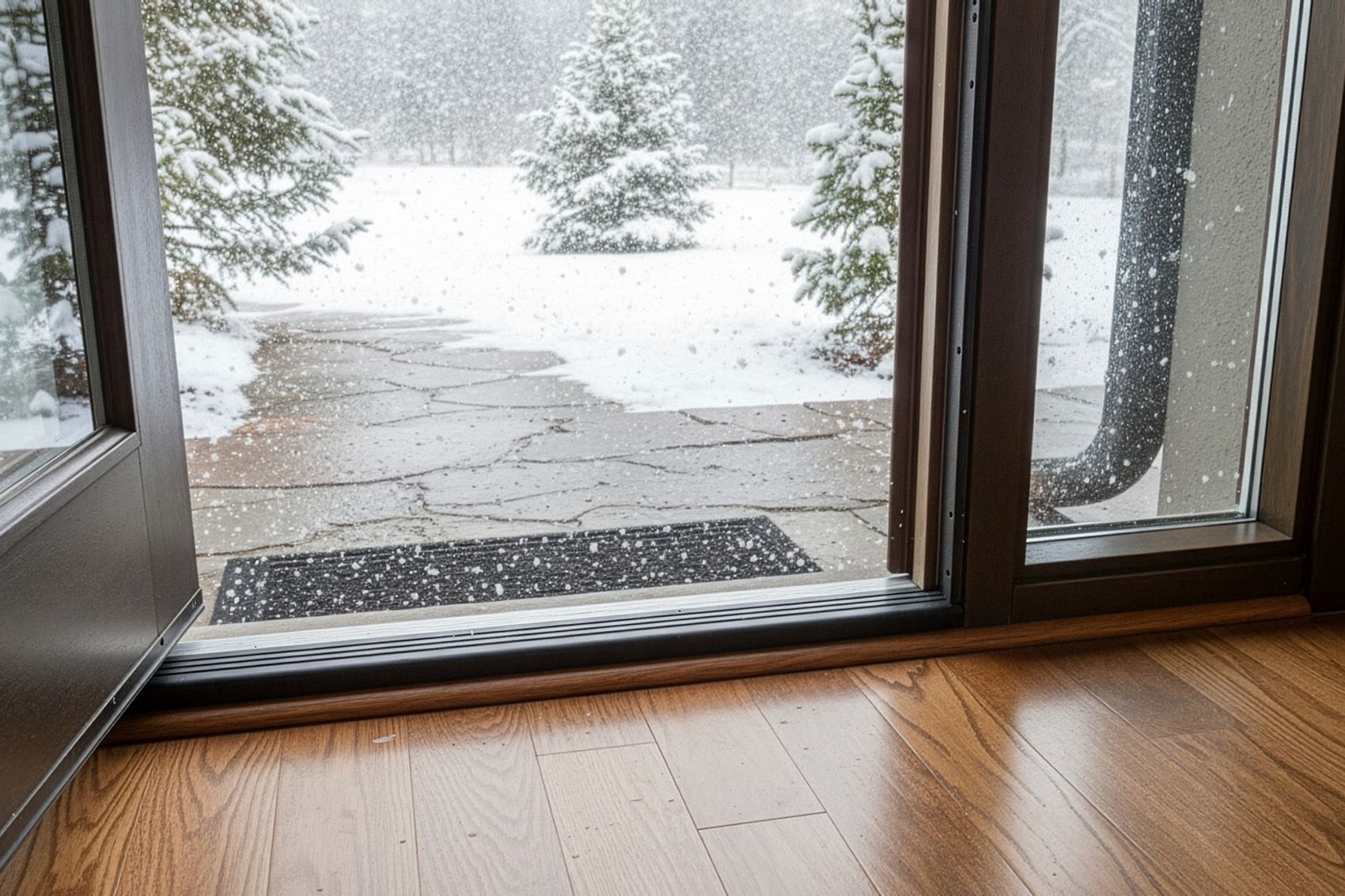
Recognize Rain and Snow Infiltration Points
Door bottom gaps are the most common entry points for rain and snow, allowing water to flow into homes during precipitation events. Even small openings at the bottom of a door can admit moisture during wind-driven storms or melting snow. This infiltration can damage flooring, encourage mold growth, and create ice hazards on interior surfaces during typical Front Range freeze-thaw cycles.
Jamb gaps between the door edge and frame sides allow wind-driven moisture to reach interior spaces while also creating air leakage that influences heating efficiency during winter. These vertical gaps become more noticeable during Colorado snowstorms when strong winds force moisture through available openings.
Threshold gaps between the door bottom and entry threshold allow water to seep underneath the door during rain events or snowmelt. These gaps often develop gradually as threshold seals wear due to foot traffic, UV exposure, and seasonal temperature cycling.
Header gaps along the top of the door are less obvious but still contribute to air leakage and occasional moisture entry, especially during heavy snow accumulation or wind-driven precipitation.
Understand Weather Stripping System Components
Door sweeps attach to the bottom of the door and create flexible seals that adjust to threshold irregularities while helping block moisture and air infiltration. High-quality sweeps use durable materials such as silicone, EPDM rubber, or reinforced vinyl that maintain flexibility across the wide temperature fluctuations common in Colorado. Adjustable sweeps allow fine-tuning to achieve effective sealing without adding unnecessary friction.
Compression seals along the door jambs and headers compress when the door closes, forming continuous barriers against air and moisture. These seals may use bulb, V-strip, or magnetic profiles suited to specific door designs and gap sizes. Materials must maintain elasticity across temperature extremes and resist UV exposure from sunlight entering through door glass or sidelights.
Threshold seals work together with door sweeps to limit ground-level moisture infiltration. Modern threshold designs often include adjustable height mechanisms to account for door settling or wear over time while maintaining appropriate sealing pressure. Many thresholds incorporate drainage features that direct water away from interior spaces and reduce the chance of ice forming against sealing surfaces.
Select Weather Stripping Materials
EPDM rubber weather stripping performs well in Colorado due to its temperature stability, UV resistance, and moisture resistance. This synthetic rubber maintains flexibility across a very wide temperature range and supports dependable sealing performance through seasonal changes.
Silicone weather stripping offers strong performance for more demanding applications. It provides an exceptionally wide temperature range, excellent UV resistance, and strong resistance to environmental wear from sunlight, ozone, and precipitation. These properties make silicone suitable for highly exposed entry locations.
Foam weather stripping provides economical solutions for low-exposure areas such as interior doors or covered entryways. Closed-cell foam can offer adequate sealing in protected conditions, while open-cell foam is generally not suitable for exterior applications. Understanding these limitations helps homeowners choose materials that match exposure levels and performance expectations.
For homeowners planning broader weather-protection upgrades, understanding winter measurement protocols for windows can help coordinate door and window projects. More guidance is available in our resource: How to Measure for Window Replacement in Winter Without Accuracy Problems.
Install Weather Stripping Before the Season Arrives
Installing weather stripping before rain and snow season allows materials to settle and conform to door surfaces before storms test the sealing system. New weather stripping needs time to adjust to door geometry and operating patterns, which helps reveal any areas needing refinement.
Surface preparation is essential. Remove old weather stripping, clean away residue, and repair damaged surfaces to help ensure proper adhesion. Good preparation affects installation quality and long-term effectiveness more than any other step.
Verify door alignment before installation. A door that sags, sticks, or fails to latch properly will not seal effectively. Addressing hinge issues, strike plate alignment, and threshold height ensures that new weather stripping can perform as intended.
Maintain Weather Stripping Performance
Regular inspection helps identify wear or deterioration before infiltration becomes a problem. Look for compressed areas, torn sections, or adhesive failures. Addressing these issues early helps support long-term performance.
Clean weather stripping periodically using mild soap and water to remove dirt and contaminants that accelerate wear. Avoid petroleum-based or harsh cleaners that can damage rubber and foam materials.
Lubricate compression seals and door sweeps with silicone-based spray to help maintain material flexibility and reduce friction during door operation. Seasonal maintenance before winter helps weather stripping function effectively across changing conditions.
Additional Resource Before You Continue
For homeowners coordinating door upgrades with window projects, we recommend reviewing:
https://www.fiveseasonswindows.com/how-to-measure-for-window-replacement-in-winter-without-accuracy-problems
This guide explains how winter temperatures affect window measurement accuracy and how to plan cold-season window projects effectively.
Our Take
At Five Seasons Windows & Doors, we have seen through many Colorado installations that proper weather stripping can make noticeable differences in comfort and interior protection during rain and snow season. The most successful outcomes occur when sealing improvements happen before seasonal moisture arrives, reducing the likelihood of infiltration issues developing during storms.
Colorado’s climate places added demands on weather stripping due to its intense precipitation, strong winds, and rapid temperature changes. Material selection and professional installation play important roles in helping weather stripping systems perform effectively across these conditions. EPDM rubber weather stripping is a common recommendation for many Colorado entry doors because its temperature stability and UV resistance support dependable sealing across seasonal variations.
Homeowners who understand weather stripping components and maintenance routines are better equipped to recognize quality installation and sustain performance over time. Weather stripping is a relatively simple improvement that offers meaningful benefits related to comfort, energy use, and moisture management throughout Colorado’s climate.
Final Takeaway
Entry doors with proper weather stripping help reduce rain and snow infiltration by using door sweeps, compression seals, and threshold systems that work together to reduce moisture entry and air leakage. EPDM rubber weather stripping performs well in Colorado due to its temperature stability and UV resistance, helping support consistent sealing across seasonal changes.
Installing weather stripping before precipitation season allows materials to settle properly and provides time for any needed adjustments. Routine maintenance, including cleaning, lubrication, and inspection, helps sustain sealing performance. With appropriate material selection, proper installation, and ongoing care, weather stripping can serve as an effective line of defense against precipitation infiltration and air leakage throughout Colorado’s demanding weather conditions.
Understanding how weather stripping components and materials function helps homeowners make informed decisions about protecting their homes before seasonal rain and snow begin. Taking action early supports comfort and energy efficiency throughout the upcoming weather season.
Get Started Today
Five Seasons Windows & Doors is Colorado’s top-rated local window company with 280+ 5-star reviews. We offer expert advice, no-pressure quotes, and flexible project options including phased installs. Schedule your consult today.