

Selecting window frame materials for cold weather climates requires understanding how different materials respond to freezing temperatures, repeated freeze-thaw cycles, and extreme temperature variations. While composite windows represent one option in the market, vinyl windows have established themselves as reliable, cost-effective solutions for cold climates—offering proven performance characteristics, minimal maintenance requirements, and excellent cold-weather durability that serve homeowners effectively throughout harsh winter conditions.
Cold weather creates specific challenges for window materials including thermal stress from temperature fluctuations, potential brittleness in extreme cold, condensation management, and dimensional stability during freeze-thaw cycles. Understanding how vinyl windows address these challenges helps homeowners make informed selections matching their climate requirements and performance priorities.
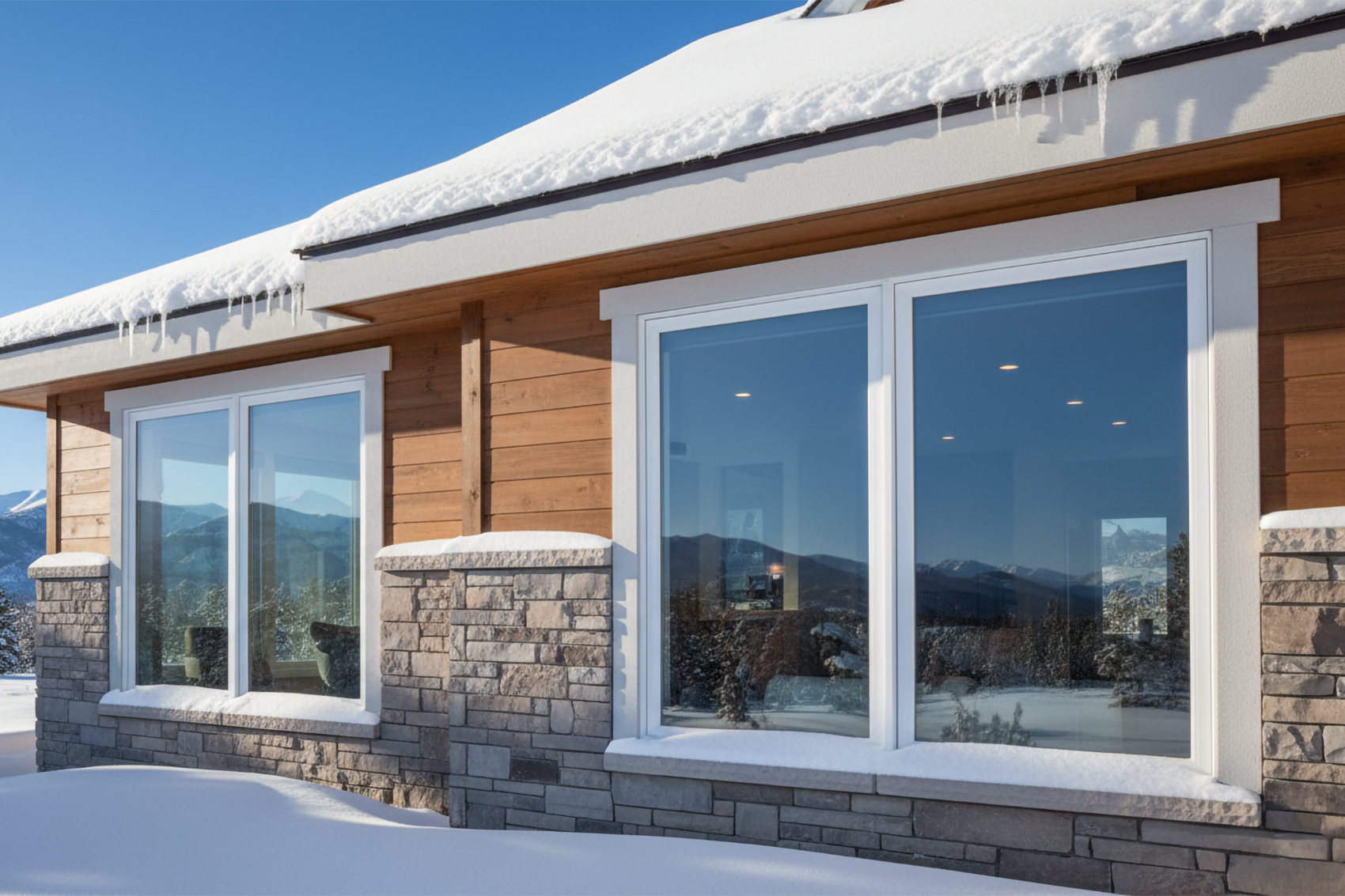
Understanding Window Frame Materials
Composite Windows
Composite windows typically feature frames manufactured from combinations of materials—most commonly vinyl mixed with wood fibers or other additives. These blended materials aim to combine benefits of different components while addressing limitations of single materials. Performance characteristics vary significantly depending on specific formulations and manufacturing processes, with cold-weather capabilities differing substantially across products and manufacturers.
Vinyl Windows
Vinyl windows feature frames extruded from polyvinyl chloride (PVC) formed into hollow-chamber profiles. Modern vinyl formulations incorporate UV stabilizers, impact modifiers, and cold-weather additives throughout the material rather than applied as surface coatings. Multi-chamber frame designs create insulating air spaces that improve thermal performance while maintaining structural strength.
Quality vinyl windows use virgin vinyl compounds providing consistent color throughout the frame depth and better long-term performance. Fusion-welded corner joints create strong, weather-tight connections without mechanical fasteners. The material resists moisture absorption completely, eliminating concerns about swelling, warping, or rot that affect other frame materials.
Composite vs Vinyl: Brief Comparison
Composite windows attempt to merge characteristics of different materials, with performance depending heavily on specific formulations. Cold-weather behavior varies significantly across composite products, making generalized performance assessments unreliable without evaluating specific manufacturer data.
Vinyl windows offer consistent, predictable cold-weather performance with decades of proven track record across diverse climates. The material's complete moisture resistance, fusion-welded construction, and established cold-weather formulations provide confidence in long-term reliability. Vinyl's manufacturing consistency ensures predictable performance characteristics, while composite performance varies by formulation.
Vinyl Windows: Proven Cold Weather Performance
Complete Moisture Resistance
Vinyl's non-porous surface prevents any moisture absorption, eliminating freeze-thaw concerns that affect moisture-sensitive materials. Water cannot penetrate vinyl, preventing internal damage from freezing and expansion. Fusion-welded corner joints create weather-tight seals resisting water penetration during snow accumulation, ice formation, or winter precipitation events. This complete moisture resistance ensures structural integrity remains unaffected by repeated freeze-thaw cycles common in cold climates.
Reliable Cold-Temperature Operation
Quality vinyl windows formulated with appropriate cold-weather additives maintain smooth operation even in sub-zero temperatures. Modern vinyl compounds resist stiffness or binding that could affect operability during extreme cold. Windows open and close reliably throughout winter regardless of temperature, providing ventilation access when needed without operational frustrations. Hardware operates smoothly without cold-weather interference, maintaining functionality throughout temperature extremes.
Excellent Thermal Performance
Multi-chamber vinyl frame designs create multiple insulating air spaces significantly improving thermal performance. These air chambers minimize heat transfer through frame sections, helping maintain comfortable interior temperatures while reducing heating costs. When combined with quality Low-E glazing systems, vinyl windows achieve excellent energy efficiency ratings suitable for cold climates. Frame thermal performance contributes meaningfully to overall window energy efficiency, reducing heat loss during extended cold periods.
Dimensional Stability in Cold Weather
While vinyl expands with temperature changes, quality vinyl windows incorporate design features accommodating thermal movement without compromising performance. Proper engineering ensures expansion and contraction occur without creating gaps affecting weather-tightness or energy efficiency. Modern vinyl window design accounts for thermal movement, maintaining reliable sealing throughout temperature variations. This engineered stability ensures consistent performance across seasonal temperature ranges.
Proven Durability and Longevity
Vinyl windows demonstrate reliable performance across decades of service in cold climates. The material resists degradation from temperature extremes, maintaining structural integrity and appearance throughout extended service life. Cold weather doesn't accelerate vinyl aging or deterioration—windows perform consistently year after year regardless of harsh winter conditions. This proven durability provides confidence in long-term investment value.
Minimal Maintenance Requirements
Vinyl requires only periodic cleaning with soap and water throughout its service life. The material won't rot, peel, crack, or require painting even in harsh cold-weather conditions. Color extends through the entire frame thickness, so minor scratches or abrasions don't expose different colors underneath. This maintenance simplicity proves particularly valuable in cold climates where exterior maintenance during winter proves challenging or impossible.
Cost-Effective Cold Climate Solution
Vinyl windows provide excellent cold-weather performance at accessible price points, making reliable cold-climate windows available for budget-conscious projects. Lower initial investment compared to premium alternatives allows whole-house window replacements within reasonable budgets. The combination of good performance, minimal maintenance, and competitive pricing creates attractive total ownership economics for cold-climate applications.
Weather-Tight Construction
Fusion-welded corner joints create seamless connections stronger than the surrounding material. These welded corners eliminate potential water infiltration points that mechanical fasteners might create. Multi-point locking systems compress weatherstripping tightly, creating effective seals against cold air infiltration. Quality weatherstripping maintains flexibility in cold temperatures, continuing to seal effectively even when compressed during freezing conditions.
Condensation Resistance
Multi-chamber vinyl frame construction provides good thermal performance helping keep interior frame surfaces warmer than single-chamber alternatives. Warmer interior surfaces reduce condensation potential when warm interior air contacts window frames during cold weather. While not matching wood's superior insulation, quality vinyl frames minimize condensation concerns through effective thermal performance.
Consistent Manufacturing Quality
Vinyl window manufacturing processes create consistent products with predictable performance characteristics. Unlike materials with natural variations, vinyl frames maintain uniform properties throughout production runs. This consistency ensures reliable cold-weather performance across all windows in a project, providing confidence that every window will perform as expected regardless of installation location or exposure.
Cold Weather Performance Factors
Freeze-Thaw Cycle Resistance
Vinyl's complete impermeability to moisture prevents water absorption that could lead to freeze-thaw damage. The material maintains structural integrity through unlimited freeze-thaw cycles without degradation. This resistance proves particularly valuable in climates experiencing frequent temperature fluctuations crossing the freezing point, where moisture-sensitive materials face accelerated deterioration.
UV Resistance in Winter
Winter sun reflecting off snow creates intense UV exposure that can degrade materials over time. Quality vinyl formulations incorporate UV stabilizers throughout the material, maintaining color stability and structural integrity despite reflected UV exposure. The material resists sun-related degradation regardless of season, ensuring appearance and performance remain consistent year-round.
Impact Resistance in Cold
Vinyl formulated with appropriate impact modifiers maintains reasonable impact resistance even in cold temperatures. While extreme cold may reduce impact resistance slightly, quality vinyl resists damage from typical impacts that might occur during snow removal, ice management, or winter maintenance activities around windows.
Thermal Bridging Prevention
Multi-chamber vinyl frame construction minimizes thermal bridging—the phenomenon where heat transfers through solid materials creating cold spots. Air chambers interrupt heat flow paths, reducing thermal bridging effects. This construction approach helps maintain more uniform interior surface temperatures, improving comfort and reducing condensation potential.
Energy Efficiency in Cold Weather
Vinyl windows achieve excellent energy efficiency when properly manufactured and installed with appropriate glazing systems. Low-E glass coatings, argon gas fills, and multi-pane construction significantly affect cold-weather energy performance. Frame thermal performance contributes meaningfully to overall window efficiency, with multi-chamber vinyl construction providing effective insulation.
Complete window energy performance depends more on glazing specifications than frame material alone. However, vinyl frames' thermal performance ensures frame sections don't compromise glazing system efficiency. Verify NFRC labels comparing complete window assemblies rather than evaluating frame materials in isolation when assessing energy performance for cold climate applications.
Installation and Performance
Proper installation proves critical for vinyl window cold-weather performance regardless of frame quality. Correct flashing, air sealing, and insulation ensure windows perform to their potential. Professional installation following manufacturer specifications and local building codes maximizes cold-weather performance and longevity.
Quality vinyl windows properly installed provide reliable service throughout cold climates. The material's proven track record across diverse applications demonstrates effectiveness when combined with appropriate installation techniques and quality construction practices.
People Also Ask About Vinyl Windows in Cold Weather
1. Do vinyl windows perform well in extreme cold climates?
Quality vinyl windows formulated with appropriate cold-weather additives perform reliably in extreme cold when properly manufactured and installed. Modern vinyl compounds maintain flexibility and operability well below zero, ensuring smooth window operation throughout winter. Multi-chamber frame construction provides effective thermal performance reducing heating costs during extended cold periods. Vinyl's complete moisture resistance prevents freeze-thaw damage regardless of winter severity. When selecting vinyl windows for extreme cold climates, verify products include cold-weather formulation specifications and appropriate temperature ratings ensuring reliable performance in your specific conditions.
2. Will vinyl windows crack or become brittle in freezing weather?
Quality vinyl windows formulated with appropriate impact modifiers and cold-weather additives resist brittleness in freezing temperatures. Modern vinyl compounds maintain flexibility and impact resistance in sub-zero conditions when properly formulated. Vinyl formulations vary—premium products specifically designed for cold climates maintain consistent properties throughout temperature extremes. When selecting vinyl windows for cold climates, verify manufacturer specifications confirm products include cold-weather formulations appropriate for local temperature ranges. Quality vinyl windows demonstrate decades of reliable cold-weather performance without cracking or brittleness issues.
3. How do vinyl windows prevent condensation in cold weather?
Vinyl windows reduce condensation through multi-chamber frame construction providing thermal insulation. These air chambers help keep interior frame surfaces warmer when cold air contacts exterior surfaces, reducing condensation potential. Quality weatherstripping and proper installation minimize air infiltration that contributes to condensation. While vinyl's thermal performance doesn't match wood's superior insulation, multi-chamber construction provides effective condensation resistance for most applications. Proper ventilation and humidity control also significantly affect condensation management. Combining quality vinyl windows with appropriate indoor humidity levels minimizes condensation concerns.
4. What maintenance do vinyl windows require in cold climates?
Vinyl windows require minimal maintenance in cold climates—periodic cleaning with soap and water represents the primary upkeep throughout service life. The material won't rot, peel, crack, or require painting regardless of cold-weather exposure. Color extends throughout frame thickness, so minor scratches don't require touch-up. Fusion-welded corners resist separation without requiring maintenance. Regular inspection of weatherstripping ensures continued performance, though vinyl weatherstripping maintains flexibility in cold temperatures. Hardware lubrication according to manufacturer recommendations maintains smooth operation. Cold climates don't increase vinyl window maintenance requirements compared to moderate climates.
5. How long do vinyl windows last in cold weather conditions?
Quality vinyl windows provide decades of reliable service in cold climates when properly manufactured, installed, and maintained. The material resists cold-weather degradation, maintaining structural integrity and appearance throughout extended service life. Cold weather doesn't accelerate vinyl aging—windows perform consistently regardless of winter severity. Modern vinyl formulations demonstrate proven durability across diverse cold climates. Expected service life depends on product quality, installation precision, and maintenance consistency rather than climate severity alone. Quality vinyl windows consistently deliver reliable performance throughout their service life even in harsh cold-weather conditions.
Related Reading
Window frame material selection represents just one aspect of optimizing window performance for cold climates. Understanding how different materials compare across various performance factors—including considerations beyond just cold-weather capabilities—helps homeowners make comprehensive decisions matching their complete set of priorities.
Exploring comparisons between various frame materials provides broader perspective on trade-offs between options. Different materials offer distinct advantages depending on aesthetic preferences, maintenance expectations, and budget considerations that extend beyond cold-weather performance alone.
For detailed comparison of vinyl versus wood window materials including their performance characteristics, maintenance requirements, cost considerations, and suitability for different applications, see our comprehensive guide on vinyl vs wood windows pros and cons for Colorado homeowners.
Our Take
At Five Seasons Windows & Doors, we specialize in quality vinyl windows because they offer excellent cold-weather performance, reliability, and value for homeowners in challenging climates. Our experience shows that properly formulated vinyl windows provide consistent operation, effective thermal performance, and minimal maintenance throughout harsh winter conditions—all at accessible price points that make reliable cold-climate windows available for most budgets.
While composite windows exist in the market from various manufacturers, we've focused our expertise on proven vinyl solutions with established cold-weather track records and consistent performance characteristics. We help clients select quality vinyl windows with appropriate cold-weather formulations, proper glazing systems, and professional installation ensuring reliable performance throughout cold climates. The combination of proven durability, minimal maintenance, cost-effectiveness, and reliable cold-weather operation makes vinyl windows an excellent choice for homeowners prioritizing practical, dependable window solutions.
Final Takeaway
Vinyl windows provide excellent cold-weather performance combining reliable operation, effective thermal insulation, complete moisture resistance, and minimal maintenance at accessible costs. Quality vinyl formulations maintain flexibility and operability in sub-zero temperatures while multi-chamber construction delivers effective energy efficiency. Complete moisture impermeability prevents freeze-thaw damage, ensuring structural integrity throughout repeated winter cycles. Fusion-welded construction and proven manufacturing consistency create dependable windows performing reliably across decades of cold-climate service.
Focus on complete window specifications including Low-E glass packages, NFRC performance ratings, cold-weather formulation verification, and manufacturer warranties when selecting windows for cold climates. Ensure vinyl products include appropriate cold-weather additives and temperature ratings matching your climate's specific challenges. Professional installation following manufacturer specifications maximizes cold-weather performance and longevity. Understanding vinyl's proven cold-weather capabilities helps guide informed decisions delivering reliable performance, energy efficiency, and long-term value throughout harsh winter seasons.
Get Started Today
Five Seasons Windows & Doors is Colorado’s top-rated local window company with 230+ 5-star reviews. We offer expert advice, no-pressure quotes, and flexible project options — including phased installs. Schedule your consult today.