

Fiberglass windows outperform vinyl in Colorado's extreme temperature swings because fiberglass expands and contracts at a rate nearly identical to glass itself, while vinyl moves significantly more with temperature changes. This difference in thermal expansion behavior affects seal integrity, air infiltration, and long-term durability - making fiberglass the more reliable choice for homes that routinely experience 80-degree temperature variations between summer highs and winter lows.
Understanding thermal expansion helps explain why some windows maintain tight seals for decades while others develop drafts and operational problems within years. The physics involved are straightforward, but the practical consequences for Colorado homeowners are significant. A window frame that moves at a different rate than its glass creates stress at connection points, eventually compromising weatherstripping, glazing seals, and overall performance.
This guide explores the science behind thermal expansion, compares how fiberglass and vinyl respond to Colorado's temperature extremes, and helps homeowners make informed material choices for lasting window performance.
Understanding Thermal Expansion in Window Materials
What Happens When Materials Heat and Cool
All materials expand when heated and contract when cooled. This fundamental physical property affects everything from bridge design to window engineering. The rate at which a material changes dimension with temperature is called its coefficient of thermal expansion, and different materials have dramatically different coefficients.
When a window frame and its glass expand at different rates, stress develops at the points where they connect. Over many heating and cooling cycles, this stress can fatigue seals, loosen connections, and create gaps that allow air and moisture infiltration. The greater the mismatch between frame and glass expansion rates, the more stress accumulates with each temperature cycle.
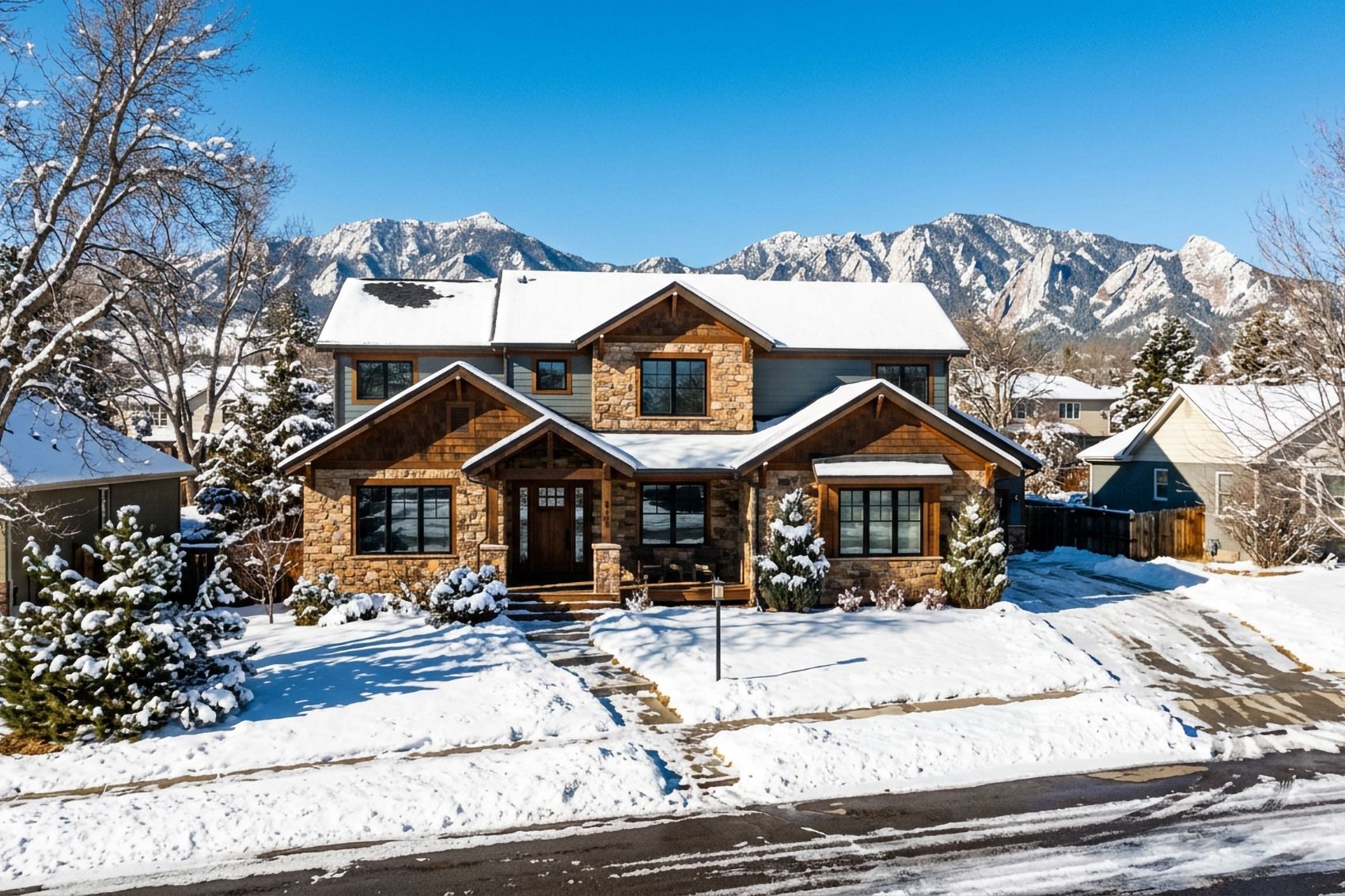
Colorado's climate creates particularly demanding conditions because temperature swings happen rapidly and frequently. A window might experience 50-degree temperature changes within a single day during spring and fall, with seasonal extremes ranging from well below zero to over 100 degrees. This cycling happens thousands of times over a window's service life, making expansion compatibility critically important.
Measuring Thermal Expansion
Engineers measure thermal expansion using coefficients that quantify how much materials change dimension with temperature. Glass and fiberglass share remarkably similar expansion properties, meaning fiberglass frames move almost identically to the glass they hold. Vinyl, however, expands and contracts at significantly higher rates than glass - creating a fundamental mismatch that affects seal integrity over time.
This difference translates directly to physical movement. Consider a four-foot-wide window frame experiencing an 80-degree temperature swing - common in Colorado between a summer afternoon and a winter morning. A vinyl frame experiences measurably more dimensional change than a fiberglass frame under the same conditions, and this difference compounds over thousands of temperature cycles.
Why Matching Matters
When frame and glass expand together, the seal between them experiences minimal stress. The weatherstripping compresses and releases evenly. The glazing compound or tape holding glass in place maintains consistent contact. Hardware alignments stay true because the frame maintains its shape.
When frame and glass expand at different rates, something has to give. Either the seal stretches and compresses unevenly, the frame warps to accommodate the mismatch, or stress concentrates at connection points until something fails. Over years of cycling, these small movements accumulate damage that eventually manifests as drafts, condensation between panes, difficult operation, or visible gaps.
How Fiberglass Performs in Colorado's Climate
Dimensional Stability Under Stress
Fiberglass window frames maintain their shape and dimension across Colorado's full temperature range with remarkable consistency. The material's expansion coefficient so closely matches glass that the frame-to-glass relationship remains stable whether the window faces bitter January cold or intense August sun.
This dimensional stability means weatherstripping maintains consistent compression, keeping air infiltration minimal throughout seasonal changes. Hardware alignments stay true, so windows operate smoothly year-round without the binding or looseness that temperature-induced warping creates. Glazing seals experience minimal stress, extending the life of insulated glass units.
Fiberglass also resists the UV degradation that Colorado's intense high-altitude sunlight imposes. The material maintains its structural properties and appearance without the chalking, fading, or brittleness that some materials develop under sustained UV exposure. This UV resistance complements thermal stability for comprehensive durability.
Long-Term Seal Integrity
The seals in a window system represent critical failure points. Glazing seals keep insulating gas between panes and prevent moisture intrusion that causes fogging. Weatherstripping seals prevent air infiltration around operable sashes. Frame-to-wall seals prevent water and air penetration at the rough opening.
Fiberglass frames support seal longevity by minimizing the mechanical stress that thermal cycling creates. When frame movement stays minimal, seals don't stretch and compress excessively with each temperature change. This reduced mechanical stress allows seals to maintain their properties longer, delaying the degradation that eventually affects all sealing materials.
For Colorado homeowners, this translates to windows that maintain their energy efficiency and weather resistance longer than alternatives that impose greater stress on sealing components.
Performance at Altitude
Colorado's higher elevations intensify all the factors that stress windows. UV exposure increases with altitude, temperature swings become more extreme, and the atmospheric pressure differential between interior and exterior spaces grows. Fiberglass handles these intensified conditions without the limitations that affect some materials.
Mountain communities particularly benefit from fiberglass stability. A window in Breckenridge or Vail might experience temperature swings exceeding 100 degrees between seasonal extremes, with rapid daily variations that cycle frames through expansion and contraction constantly. Fiberglass accommodates this cycling without accumulating the damage that eventually compromises lesser materials.
How Vinyl Responds to Temperature Extremes
The Expansion Challenge
Vinyl's higher coefficient of thermal expansion creates measurable challenges in Colorado's climate. The material's tendency to expand and contract more dramatically than glass means vinyl frames impose stress on seals and connections with every temperature change. Over thousands of cycles, this stress accumulates consequences.
Frame distortion represents one common manifestation. Vinyl frames may bow or warp slightly as they expand against fixed constraints like fasteners and wall openings. While quality vinyl windows engineer in accommodation for this movement, the fundamental mismatch between frame and glass expansion rates limits how completely any design can compensate.
The color of vinyl frames affects how dramatically they respond to temperature. Dark-colored vinyl absorbs more solar energy, reaching surface temperatures well above ambient air temperature on sunny days. This additional heating intensifies expansion effects, which is why some vinyl manufacturers limit warranty coverage for darker frame colors in high-UV climates like Colorado.
Seal Stress and Air Infiltration
Vinyl's expansion and contraction cycles stress seals more aggressively than fiberglass's minimal movement. Weatherstripping experiences greater compression range, potentially taking a set that reduces its effectiveness over time. Glazing seals experience more mechanical movement, accelerating the fatigue that eventually allows seal failure.
Air infiltration testing often reveals greater leakage around vinyl windows than around fiberglass alternatives of similar design quality. While new vinyl windows can meet stringent air infiltration standards, their performance may decline faster as thermal cycling accumulates stress on sealing components.
For Colorado homeowners concerned about energy efficiency over the full service life of their windows, this differential durability merits consideration. A window that tests well initially but degrades faster may not deliver the long-term efficiency that Colorado's heating and cooling demands make valuable.
Where Vinyl Works Well
Despite expansion challenges, vinyl windows serve many Colorado applications successfully. Budget-conscious projects benefit from vinyl's lower initial cost, and quality vinyl products from established manufacturers perform adequately for Front Range applications where temperature extremes stay moderate compared to mountain locations.
Anlin engineers their vinyl windows specifically for Western climate challenges, incorporating design features that accommodate thermal movement better than generic vinyl products. Their glazing packages and weatherstripping systems account for the expansion differential, delivering reliable performance for applications where vinyl's cost advantage matters.
The key lies in matching expectations to conditions. Vinyl works well in protected exposures, moderate elevations, and applications where budget constraints make premium materials impractical. It may not deliver the same longevity as fiberglass in high-exposure mountain applications or south-facing walls that experience maximum thermal cycling.
Comparing Real-World Performance
Energy Efficiency Over Time
New windows of either material can achieve excellent energy efficiency ratings. The meaningful comparison involves how efficiency holds up over years of Colorado's demanding cycling. Here, fiberglass's stability advantage compounds over time.
Studies of window performance degradation suggest that air infiltration increases faster in frames that experience more thermal movement. While both materials may start with similar air infiltration ratings, the fiberglass window is more likely to maintain its original performance level after a decade of service. The vinyl window may still perform adequately, but some efficiency loss is probable.
For homeowners making long-term investment decisions, this durability difference factors into total cost of ownership. A fiberglass window with a higher initial price but better longevity may prove more economical than a vinyl alternative that requires earlier replacement.
Operational Reliability
Windows need to open, close, and lock smoothly throughout their service life. Frame distortion from thermal cycling can affect operational hardware, causing binding, looseness, or difficulty achieving proper seal compression when closed.
Fiberglass frames maintain their shape more consistently, supporting hardware function without the adjustment or replacement that temperature-induced distortion may eventually require. Vinyl frames may need periodic hardware adjustment as accumulated cycling affects alignments.
This operational reliability matters particularly for windows in difficult-to-reach locations or for homeowners who value low-maintenance performance. Casement windows on upper floors, for example, need to operate reliably without service calls for alignment issues.
Appearance and Finish Durability
Both materials offer factory-applied finishes that resist Colorado's UV exposure reasonably well. Fiberglass accepts paint similarly to wood, allowing refinishing if desired, while vinyl's color is integral to the material and cannot be conventionally painted.
Vinyl may show more stress-related surface effects over time in extreme applications. Repeated expansion and contraction can create stress marks or surface texture changes in some vinyl formulations. Fiberglass maintains its surface appearance more consistently because minimal movement means minimal surface stress.
For visible windows where appearance matters long-term, fiberglass offers somewhat greater assurance of maintained aesthetics. For less prominent applications, the difference may not justify fiberglass's cost premium.
Making the Right Choice for Your Colorado Home
When Fiberglass Makes Sense
Consider fiberglass for windows facing maximum thermal stress - south and west exposures that receive direct afternoon sun create the highest surface temperatures and greatest expansion cycling. Mountain properties above 8,000 feet benefit from fiberglass's stability under intensified conditions. Large window units where expansion translates to more absolute movement also favor fiberglass.
Premium projects prioritizing longevity over initial cost find fiberglass delivers appropriate value. The material's durability means fewer concerns about performance degradation over decades of service. Homes where window replacement is difficult or expensive - perhaps due to unusual sizes, historic requirements, or challenging access - benefit from choosing materials that maximize service life.
Marvin's fiberglass options, including their Elevate and Essential collections, provide proven performance in demanding climates. These products combine fiberglass's thermal stability with quality glazing packages and hardware designed for decades of reliable service.
When Vinyl Makes Sense
Vinyl serves well for protected exposures with moderate thermal cycling - north-facing windows, shaded walls, and lower-elevation locations experience less expansion stress. Budget-focused projects where cost savings enable more comprehensive upgrades may find vinyl's value proposition compelling.
Properties where window replacement within 15-20 years is acceptable - perhaps due to anticipated renovation or ownership change - may not require fiberglass's extended durability. The cost savings from vinyl could fund other improvements with more immediate benefit.
Quality vinyl products from established manufacturers outperform generic alternatives significantly. Anlin's Western-climate engineering addresses thermal challenges better than vinyl products designed for moderate climates. Choosing quality vinyl matters more than choosing vinyl over fiberglass in many applications.
The Altitude Factor
Elevation intensifies every thermal expansion consideration. Above 7,000 feet, temperature swings increase, UV exposure intensifies, and atmospheric pressure differentials stress window seals more aggressively. Fiberglass's advantages become more pronounced at altitude.
Mountain homeowners should weight material selection more heavily toward thermal stability than Front Range homeowners in moderate conditions. The incremental cost of fiberglass buys proportionally more value in demanding mountain applications than in Denver's comparatively moderate climate.
People Also Ask About Thermal Expansion
Does vinyl really expand that much more than fiberglass?
Yes - vinyl's coefficient of thermal expansion is significantly higher than fiberglass or glass. This means for any given temperature change, vinyl frames expand and contract dramatically more than fiberglass frames. While quality vinyl windows engineer in features to accommodate this movement, the fundamental material property cannot be changed.
Will my vinyl windows fail in Colorado?
Quality vinyl windows from established manufacturers can perform acceptably in many Colorado applications, particularly at moderate elevations and in protected exposures. However, they may not maintain peak performance as long as fiberglass alternatives under demanding conditions. High-altitude installations, maximum-sun exposures, and locations expecting very long service life benefit from fiberglass's greater stability.
How do I know if thermal expansion is affecting my current windows?
Signs of thermal expansion stress include drafts that appear or worsen during temperature extremes, difficulty opening or closing windows after hot or cold weather, visible gaps or compression marks in weatherstripping, and condensation between panes indicating seal failure. Windows that worked perfectly when new but have developed these issues may be experiencing accumulated thermal cycling damage.
Is fiberglass worth the extra cost?
For demanding applications - mountain properties, maximum-sun exposures, premium projects prioritizing longevity - fiberglass typically justifies its cost premium through extended service life and maintained performance. For moderate applications where budget constraints are significant, quality vinyl may deliver acceptable performance at lower initial cost. The right answer depends on your specific conditions and priorities.
Do aluminum-clad wood windows have thermal expansion issues?
Aluminum-clad wood windows like Marvin's Signature Ultimate handle thermal expansion differently because the wood interior provides structural stability while the aluminum exterior handles weather exposure. The aluminum does expand and contract, but its role as cladding rather than structure minimizes consequences. These windows perform excellently in Colorado's climate for homeowners who want wood interiors with weather-resistant exteriors.
Related Reading
Thermal expansion represents one factor in Colorado window performance. Finding quality installation close to home matters equally, since proper installation determines whether even excellent windows achieve their potential performance.
For guidance on evaluating local installers and finding double pane windows in your Colorado community, see our article on double pane windows near me in Colorado.
Our Take
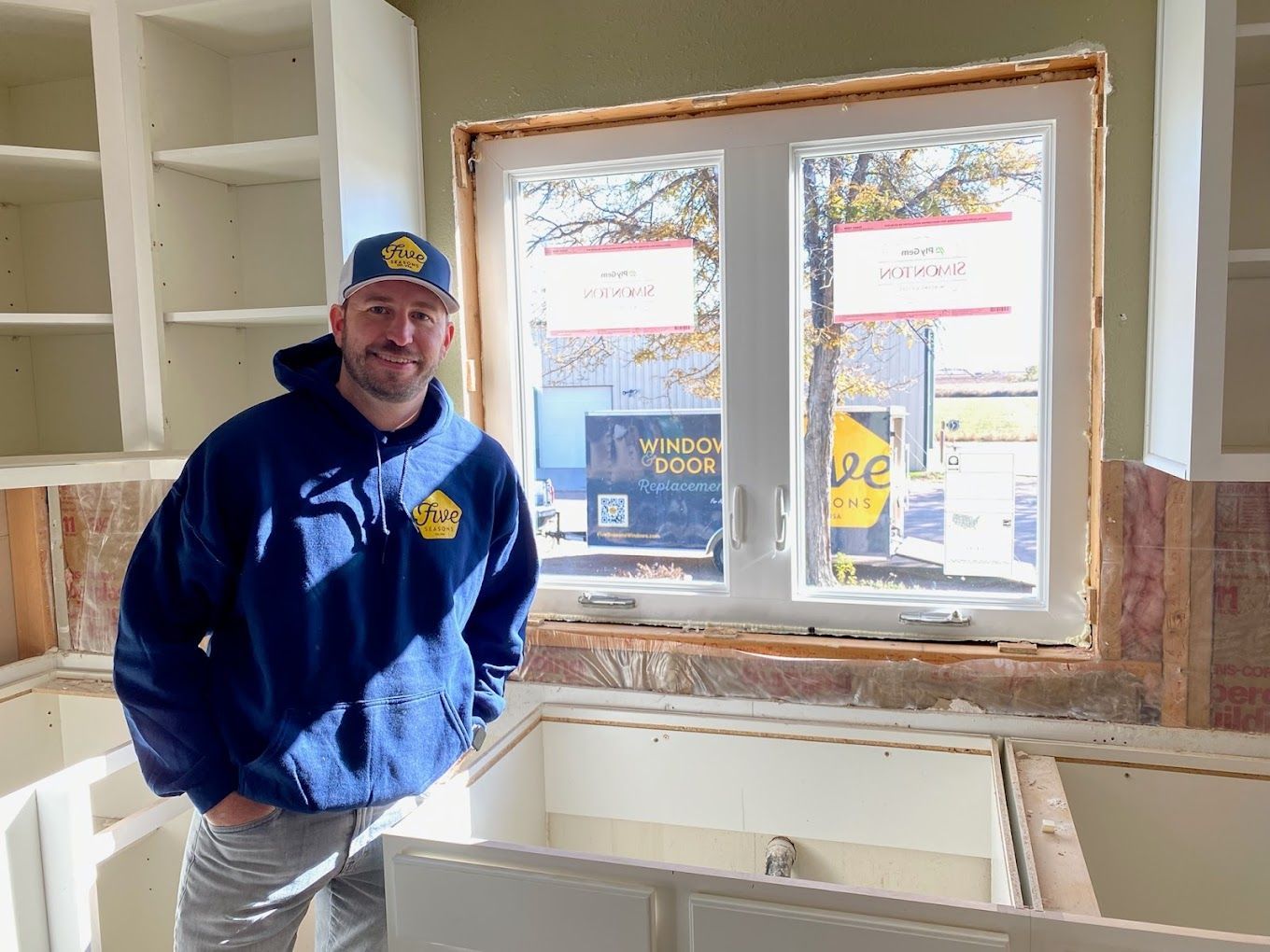
At Five Seasons Windows & Doors, we help Colorado homeowners choose between fiberglass and vinyl based on their specific conditions rather than pushing one material regardless of fit. Our Marvin fiberglass options serve demanding applications where thermal stability matters most, while Anlin vinyl provides excellent value for moderate conditions where budget priorities lead.
We explain the tradeoffs honestly because informed customers make better decisions and end up happier with their windows long-term. Whatever material suits your situation, our installation expertise ensures your windows perform to their full potential in Colorado's demanding climate.
Final Takeaway
The science of thermal expansion explains why material choice matters for Colorado windows. Fiberglass expands and contracts at rates matching glass itself, maintaining seal integrity and operational reliability through thousands of temperature cycles. Vinyl moves more dramatically, stressing seals and connections in ways that may accelerate performance degradation over time.
For maximum-demand applications - mountain properties, intense sun exposures, premium longevity expectations - fiberglass delivers value that justifies its higher cost. For moderate conditions where budget matters more than maximum service life, quality vinyl performs acceptably. Understanding how thermal expansion affects your specific situation helps you choose wisely between these capable materials.
Get Started Today
Five Seasons Windows & Doors is Colorado’s top-rated local window company with 230+ 5-star reviews. We offer expert advice, no-pressure quotes, and flexible project options — including phased installs. Schedule your consult today.