

The best window styles for Colorado homes balance aesthetic appeal with practical performance demands created by the state's unique climate conditions. From double hung windows that complement traditional Denver bungalows to expansive picture windows framing mountain views, each style offers distinct advantages depending on your home's architecture, your functional priorities, and the specific conditions your windows will face.
Colorado's combination of intense high-altitude UV exposure, dramatic temperature swings, low humidity, and occasional severe weather means window style selection involves more than appearance alone. Each style handles these conditions differently—affecting not just energy performance but also durability, maintenance requirements, and how well windows function over decades of Colorado's demanding climate cycles.
Whether you're building new, replacing aging windows, or renovating a historic property, understanding how different window styles perform in Colorado conditions helps you make choices you'll appreciate for decades rather than regret within years.
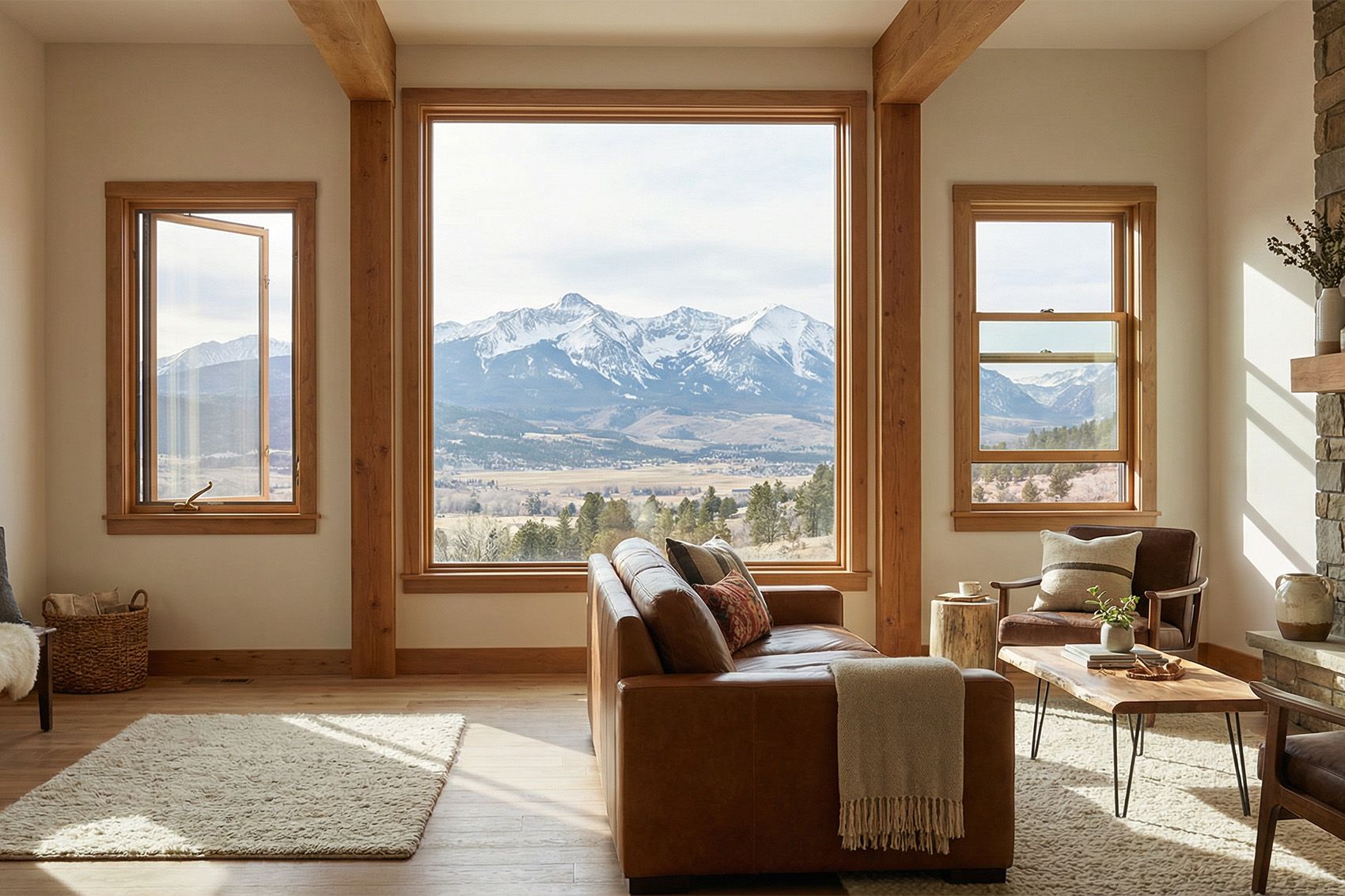
Understanding Window Style Categories
Operable vs. Fixed Windows
Window styles divide into two fundamental categories: operable windows that open for ventilation and fixed windows that don't. Most Colorado homes benefit from combining both—operable windows where airflow matters and fixed windows where unobstructed views or maximum light take priority.
Operable styles include double hung, single hung, casement, awning, and sliding windows. Each opens differently, affecting both functionality and how well the window seals when closed. Fixed styles include picture windows, direct glaze installations, and specialty shapes. These maximize glass area since they don't require operating hardware or frame space for sash movement.
How Climate Affects Style Performance
Colorado's climate creates specific performance considerations for each window style. Operable windows must seal tightly against both winter cold and summer heat—styles with compression seals (like casements) often outperform styles with sliding seals (like double hungs) in air infiltration tests. However, operational preferences, aesthetic requirements, and practical factors like furniture placement also influence which styles work best in specific locations.
The state's low humidity generally benefits window longevity by reducing moisture-related deterioration, but intense UV exposure at altitude accelerates degradation of inferior materials regardless of style. Selecting quality products matters as much as choosing appropriate styles.
Double Hung Windows: Colorado's Classic Choice
Why Double Hungs Remain Popular
Double hung windows feature two sashes that slide vertically within the frame—both the upper and lower sash move, distinguishing them from single hung windows where only the lower sash operates. This traditional style dominates Colorado's residential architecture, appearing in everything from Victorian-era homes to contemporary construction.
The popularity stems from several factors: familiar operation that most homeowners understand intuitively, proportions that complement diverse architectural styles, excellent ventilation flexibility, and easy cleaning since both sashes typically tilt inward. For homes with traditional or transitional design, double hungs provide visual continuity that other styles can't match.
Performance Considerations in Colorado
Double hung windows use sliding seals where sashes meet the frame and each other. These seals work well but typically allow slightly more air infiltration than compression-seal designs. In Colorado's climate, this means double hungs benefit significantly from quality weatherstripping and proper installation that ensures tight sash fit.
The vertical sliding operation works well regardless of furniture placement beneath windows—an advantage over outward-opening styles. However, double hungs in high-wind locations may rattle if not properly fitted, and the maximum ventilation opening equals only half the window area since one sash always blocks the other.
For Colorado homes, double hungs work excellently in most applications, particularly where traditional aesthetics matter. Premium double hung windows from manufacturers like Marvin include features specifically addressing performance—multiple weatherstripping lines, sash locks that pull sashes tight, and tilt mechanisms that maintain proper alignment over decades of use.
Single Hung Alternative
Single hung windows look identical to double hungs but only the bottom sash operates. This simplifies construction, typically reducing cost while maintaining the same appearance. The tradeoff involves slightly less ventilation flexibility and inability to create stack-effect airflow by opening both top and bottom.
For budget-conscious projects or locations where the upper sash would rarely be opened anyway, single hungs offer sensible value without aesthetic compromise.
Casement Windows: Superior Sealing for Energy Efficiency
How Casements Operate
Casement windows hinge at the side and swing outward, operated by a crank mechanism. When closed, the sash presses against the frame with compression seals—similar to how a door seals against its jamb. This compression creates tighter closure than sliding-seal designs typically achieve.
The outward swing means casements can open fully, providing maximum ventilation from the entire window area rather than half. The crank operation requires minimal effort even for large windows, making casements accessible for various users.
Energy Performance Advantages
Casements consistently rank among the most energy-efficient operable window styles due to their compression seal design. According to the National Fenestration Rating Council (NFRC), the organization that certifies window energy performance ratings, air leakage is measured in cubic feet per minute per square foot—and premium casement windows routinely test below 0.10 cfm/ft², while many double hung and sliding designs approach the 0.30 threshold that represents minimum acceptable performance. In Colorado's climate extremes—where heating and cooling costs both matter—this efficiency advantage compounds over years of ownership.
The sash design also allows casements to catch breezes effectively, directing airflow into the home even when wind comes from an angle. This makes casements particularly effective for natural ventilation in Colorado's mild shoulder seasons when many homeowners prefer fresh air over mechanical cooling.
Practical Considerations
Casements require clear space outside the window for the sash to swing open. This affects placement near walkways, patios, or areas where the open sash might obstruct traffic. Interior window treatments must also accommodate the inward-projecting crank hardware.
The outward-opening design means casements should remain closed during severe weather—wind catching an open casement can damage hinges or the sash itself. However, the same design makes casements excellent at shedding rain when closed, as the sash presses outward against weather.
For Colorado homes, casements work exceptionally well in kitchens (where the crank operates easily over counters), bathrooms, and any location where maximum energy efficiency takes priority. Their clean lines also suit contemporary architecture effectively.
Awning Windows: Ventilation in Any Weather
The Awning Advantage
Awning windows hinge at the top and swing outward from the bottom, creating an awning-like opening that sheds rain away from the interior. This unique operation allows ventilation even during light rain—a practical advantage during Colorado's afternoon thunderstorm season.
Like casements, awnings use compression seals for excellent energy performance. The crank operation works well for windows placed higher on walls or above other windows where reach might otherwise be difficult.
Ideal Applications
Awning windows excel in specific situations: bathrooms where privacy and ventilation both matter, basements where windows sit high on foundation walls, and as complements to larger fixed windows where a small operable section provides ventilation without compromising the primary view.
The horizontal orientation suits modern and contemporary architecture particularly well. Grouped awning windows create distinctive visual patterns while maintaining excellent functionality.
Combination Possibilities
Awning windows frequently combine with picture windows in Colorado homes—a large fixed window captures the view while a smaller awning below or alongside provides ventilation without interrupting the main glass expanse. This combination delivers both the expansive views Colorado homeowners prize and practical airflow when desired.

Sliding Windows: Space-Efficient Operation
How Sliders Work
Sliding windows (also called gliders) feature sashes that move horizontally along tracks. One or both sashes may operate depending on the configuration. The horizontal operation requires no clearance outside or inside the window, making sliders practical where space constraints limit other options.
Sliding windows suit wide, short openings particularly well—proportions that occur naturally above kitchen counters, in basements, and in mid-century modern architecture where horizontal lines dominate the design.
Performance Characteristics
Sliding windows use track-and-weatherstrip sealing similar to double hungs, with comparable air infiltration characteristics. Quality sliders include multiple weatherstripping lines and interlock features that improve sealing, but they typically don't match casement-style compression seals.
The horizontal operation handles Colorado's occasional high winds better than outward-opening styles since the sashes remain within the frame plane. This makes sliders appropriate for exposed locations where wind load concerns might rule out casements.
Where Sliders Excel
For Colorado homes, sliders work well in contemporary designs where horizontal proportions align with architectural intent, in locations where exterior obstructions prevent outward-opening sashes, and where budget considerations favor simpler operating mechanisms. They're particularly common in walkout basements and as replacements for original sliders in mid-century homes.
Picture Windows: Maximizing Colorado Views
The Case for Fixed Glass
Picture windows don't operate—they exist purely to admit light and frame views. This simplicity delivers several advantages: maximum glass area within a given frame size, no operating hardware to maintain or fail, excellent energy performance since there's nothing to seal imperfectly, and often lower cost per square foot of glass.
For Colorado homes blessed with mountain views, picture windows transform living spaces by bringing the landscape inside. Properly positioned picture windows can make modest rooms feel expansive and connect interior spaces with the natural environment.
Design Considerations
Picture windows require thoughtful placement since they provide no ventilation. Most designs combine picture windows with operable windows nearby—casements flanking a central picture window, awnings below a picture window, or double hungs in adjacent wall sections. This approach captures views through generous fixed glass while maintaining airflow options.
Large picture windows may require structural consideration depending on size and placement. They also demand quality glazing selection—in Colorado's intense sun, improper glazing can create uncomfortable solar heat gain or allow UV damage to interiors.
Specialty Shapes
Fixed windows can take virtually any shape—circles, triangles, trapezoids, arches, and custom geometries that operable windows can't achieve. These specialty shapes add architectural interest and can complement specific design styles, from arched transoms over entry doors to triangular windows filling gable ends.
Colorado's diverse architecture—from Victorian details to mountain contemporary—creates opportunities for specialty shapes that reinforce each home's design identity while adding light and visual interest.
Bay and Bow Windows: Dimensional Interest
Creating Space and Light
Bay windows project outward from the wall plane, typically combining a central picture window with angled side windows (often casements or double hungs). This configuration creates a small alcove inside while capturing light from three directions. Bow windows curve outward more gently, using multiple window units to create an arc.
Both styles add architectural dimension to otherwise flat facades, create cozy interior spaces for seating or plants, and admit significantly more light than flat window configurations. The projection also provides better views since occupants can look sideways rather than only straight out.
Colorado Applications
Bay and bow windows suit Colorado homes seeking traditional character with enhanced functionality. The interior ledge works perfectly for plant shelves taking advantage of Colorado's abundant sunshine. The alcove creates natural seating nooks for reading or enjoying views.
The projection requires consideration of exterior exposure—bay and bow windows catch more weather than flat installations. Quality construction and proper flashing matter significantly for long-term performance.
Matching Styles to Colorado Architecture
Traditional and Historic Homes
Colorado's historic neighborhoods feature architecture ranging from Victorian and Queen Anne styles to Craftsman bungalows and Tudor revivals. These homes typically look best with window styles matching their era: double hungs with appropriate proportions, perhaps true divided lites or simulated divided lite patterns, and profiles that complement original trim details.
Replacement windows in historic homes benefit from manufacturers offering historically accurate proportions and details. Marvin's product lines include options specifically designed for historic applications—matching sightlines, providing authentic divided lite appearances, and replicating profiles that maintain architectural integrity.
Mid-Century Modern
Colorado's mid-century neighborhoods feature architecture emphasizing horizontal lines, connection to landscape, and generous glazing. Window styles reinforcing these characteristics include wide sliding windows, horizontal banks of awnings, floor-to-ceiling fixed glass, and clerestory configurations admitting light while maintaining privacy.
The clean lines of contemporary casements and awnings also suit mid-century homes, particularly when combined with narrow frame profiles maximizing glass area.
Contemporary Mountain
Mountain contemporary architecture—increasingly common throughout Colorado—emphasizes large glass expanses framing views, indoor-outdoor connection, and clean modern details. This style favors oversized picture windows, multi-slide or lift-and-slide door systems, narrow-profile casements, and corner window configurations eliminating visual barriers.
These installations often involve specialty products and structural considerations beyond standard residential windows. Manufacturers like Marvin offer product lines specifically engineered for contemporary applications—narrow profiles, large sizes, and configurations achieving dramatic architectural effects.
Ranch and Suburban Traditional
The ranch homes and traditional suburban architecture common throughout Colorado's Front Range communities accommodate various window styles effectively. Double hungs provide traditional character, casements offer energy efficiency, and thoughtful combinations of fixed and operable windows balance aesthetics with function.
These homes benefit most from consistent style selection—maintaining similar window types throughout creates visual coherence rather than the patchwork appearance resulting from mixing incompatible styles.
Selecting Styles for Specific Rooms
Living Spaces
Primary living areas typically benefit from generous glazing emphasizing views and natural light. Picture windows combined with operable flankers work well where views merit display. In rooms without significant views, appropriately sized double hungs or casements provide light and ventilation without overwhelming the space.
Consider furniture placement when selecting styles—casements work better where no furniture blocks the swing, while double hungs and sliders accommodate items positioned directly beneath windows.
Kitchens
Kitchen windows often sit above counters and sinks, favoring styles operable without reaching across obstacles. Casements with crank operation work well since the hardware operates easily from counter height. Awnings positioned higher on walls provide ventilation while maintaining privacy and wall space for upper cabinets.
Bedrooms
Bedroom windows balance light, ventilation, privacy, and egress requirements (building codes specify minimum opening sizes for emergency exit). Double hungs and casements both meet egress requirements at appropriate sizes. Consider how window placement and style affect furniture arrangement, morning light, and connection to outdoor spaces.
Bathrooms
Bathroom windows prioritize ventilation and privacy, often in smaller wall areas. Awning windows placed high on walls deliver both effectively. Obscure glass options in various styles provide light while maintaining privacy without requiring window treatments.
People Also Ask About Window Styles for Colorado
1. What window style is most energy efficient for Colorado's climate?
Casement and awning windows typically achieve the best energy efficiency among operable styles due to their compression seal design. When closed, the sash presses tightly against the frame, minimizing air infiltration better than sliding-seal designs in double hung or slider windows. However, overall efficiency depends on complete window quality—a premium double hung may outperform a budget casement. Fixed picture windows achieve excellent efficiency since they have no operating components to seal imperfectly. For Colorado's climate extremes, combining high-quality products with appropriate styles for each location optimizes whole-home performance.
2. Should I match window styles throughout my home?
Consistency generally creates better visual results, but thoughtful variation serves both function and aesthetics. Most homes benefit from a primary style (often double hung or casement) used throughout main living areas, with secondary styles where function dictates—awnings in bathrooms, picture windows for views, sliders where space constraints exist. Maintaining consistent frame profiles, finishes, and proportions unifies varied styles visually. Avoid mixing fundamentally incompatible styles (like traditional double hungs with ultra-modern narrow-frame casements) without clear architectural justification.
3. What window styles work best for mountain homes in Colorado?
Mountain properties benefit from styles maximizing views while handling intensified conditions—stronger UV exposure, greater temperature extremes, potential snow loads, and sometimes higher wind exposure. Large picture windows frame views effectively; casements provide tight sealing against temperature extremes; awnings allow ventilation even during weather. Narrow-frame profiles maximize glass area for view windows. Mountain contemporary architecture often incorporates multi-slide systems, lift-and-slide doors, and corner window configurations that eliminate visual barriers between interior and landscape. Product selection matters significantly at elevation—quality materials withstand conditions that degrade lesser products rapidly.
4. Are double hung windows still a good choice in Colorado?
Double hung windows remain excellent choices for many Colorado applications, particularly where traditional aesthetics matter. Quality double hungs from premium manufacturers include features optimizing performance—multiple weatherstripping lines, positive sash locks, tilt mechanisms for easy cleaning, and durable hardware handling decades of operation. While casements may achieve marginally better air infiltration numbers, the practical difference in well-made products is modest. Double hungs offer advantages including operation unaffected by exterior obstructions, familiar function, proportions complementing traditional architecture, and excellent ventilation flexibility. They're particularly appropriate for historic homes and traditional neighborhood contexts.
5. What window styles should I avoid for Colorado homes?
No window styles are inherently wrong for Colorado, but some suit specific situations better than others. Jalousie windows (multiple horizontal glass slats) seal poorly and lack insulation—avoid these for any conditioned space. Single-pane windows in any style waste energy significantly. Budget-grade products in any style may underperform due to inadequate weatherstripping, poor materials, or construction shortcuts. For specific locations, consider practical factors: casements where exterior clearance is limited, sliders in high-security applications (they're easier to force than casements), or any operable window where fixed glass would better serve views and efficiency.
Related Reading
Window style selection represents one component of successful window projects. Working with experienced local professionals ensures your chosen styles install correctly for optimal performance in Colorado's specific conditions.
For guidance on finding qualified installation professionals who understand how different window styles perform throughout Colorado, see our article on local window contractors near Boulder.
Our Take
At Five Seasons Windows & Doors, we help Colorado homeowners navigate window style decisions by combining product expertise with local climate knowledge. As authorized dealers for Marvin, ProVia, and Anlin, we offer diverse style options across multiple quality tiers—from historically accurate double hungs for preservation projects to contemporary narrow-frame casements for modern architecture.
Our experience across Colorado's varied architecture—Front Range suburbs, mountain communities, historic neighborhoods, and new construction—informs practical recommendations matching styles to each home's specific character and conditions. We'd rather guide you toward appropriate choices than simply sell whatever you initially request. That approach, combined with quality installation and genuine follow-through, explains our 230+ five-star reviews from homeowners throughout the state.
Final Takeaway
The best window styles for Colorado homes depend on your specific architecture, functional priorities, and the conditions each window location faces. Double hungs deliver traditional appeal with versatile operation. Casements provide superior energy efficiency through compression sealing. Awnings offer weather-resistant ventilation. Picture windows maximize views and light. Understanding how each style performs—and where each excels—enables choices that serve your home well for decades. Rather than defaulting to familiar options or trending styles, match window types to what each room and each facade actually needs. The result is a home where windows enhance both daily experience and long-term value.
Get Started Today
Five Seasons Windows & Doors is Colorado’s top-rated local window company with 230+ 5-star reviews. We offer expert advice, no-pressure quotes, and flexible project options — including phased installs. Schedule your consult today.