

Custom window fitting delivers measurably better performance than standard-size installations in Colorado homes, where precise measurements and tailored manufacturing eliminate the gaps, shimming, and compromised seals that undermine energy efficiency and long-term durability. When windows fit their openings exactly, they seal tighter, operate smoother, and last longer-advantages that compound significantly in a climate defined by extreme temperature swings and relentless UV exposure.
Colorado's older housing stock presents particular challenges for standard window replacement. Homes built before modern construction standardization often feature openings that don't match today's common sizes. Victorian-era properties in Denver's historic neighborhoods, mid-century ranches throughout the Front Range, and mountain cabins constructed by independent builders all frequently require custom fitting to achieve proper installation without excessive modification to existing structures.
Understanding when custom fitting matters-and when standard sizes work perfectly well-helps homeowners make informed decisions about their window projects. The goal isn't custom for its own sake, but rather achieving the best possible fit for each specific situation.
What Custom Window Fitting Actually Means
Beyond Standard Dimensions
Standard window sizes follow industry conventions-common widths and heights that manufacturers produce in volume. These sizes work well for new construction built to modern standards and for replacement projects where existing openings happen to match available dimensions.
Custom fitting involves manufacturing windows to match your actual opening dimensions rather than forcing your openings to accommodate predetermined sizes. This might mean a window that's 34¾ inches wide rather than the standard 36 inches, or 57½ inches tall rather than 60 inches. These seemingly small differences matter significantly for proper fit and performance.
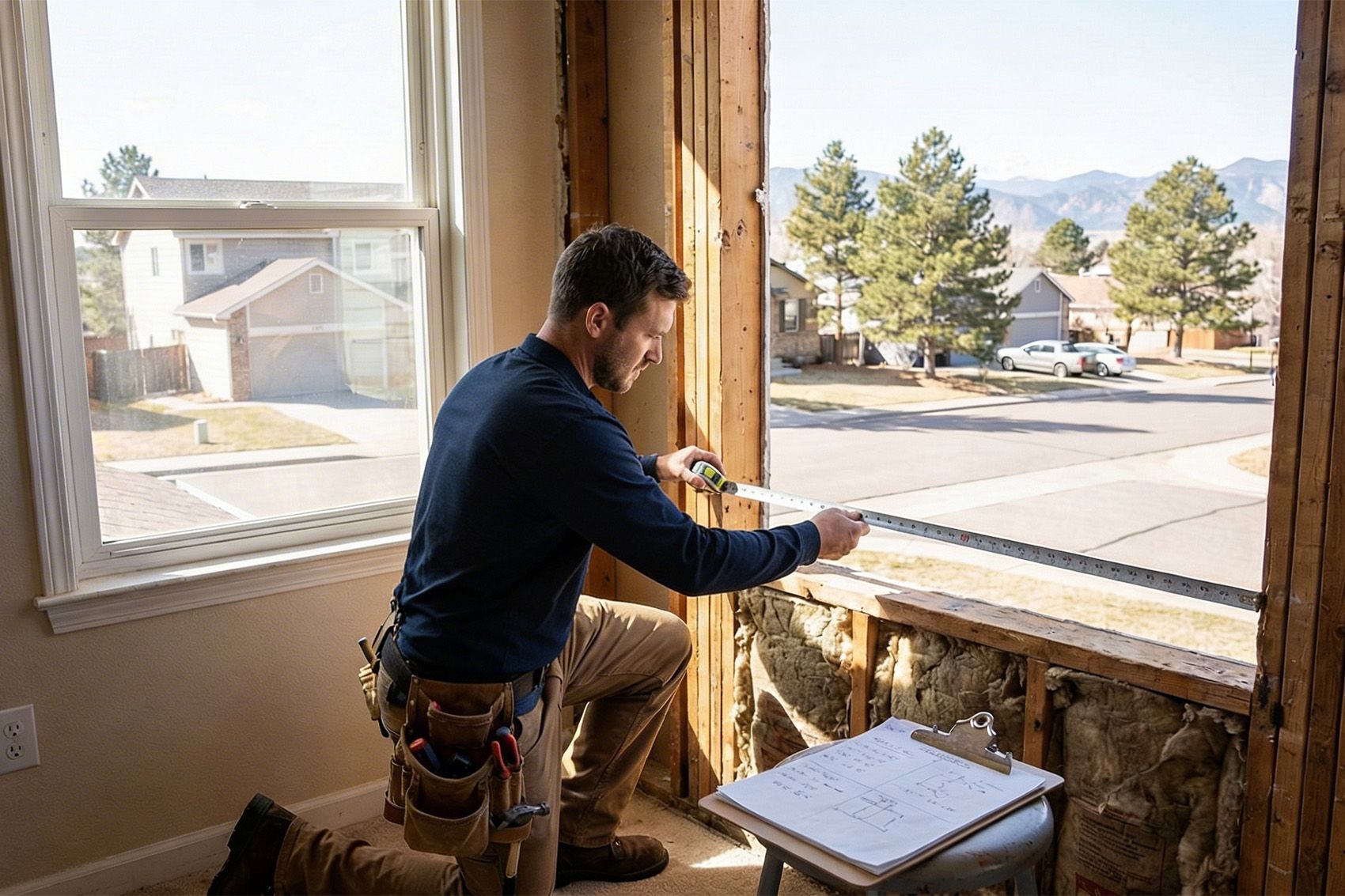
The custom fitting process begins with precise field measurements-not estimates from plans or assumptions based on visible frame dimensions, but actual measurements of the rough opening, accounting for existing conditions, squareness, and any irregularities that affect how the new window will fit.
The Measurement Process
Accurate custom fitting requires measuring each opening individually. Even in homes where windows appear identical, actual dimensions often vary due to settling, original construction inconsistencies, or previous modifications. Professionals measure rough openings (the structural opening in the wall), existing frame dimensions if the frame will remain, and factors affecting installation approach.
These measurements specify exactly how the replacement window should be manufactured. Quality manufacturers build to these specifications with tight tolerances-typically within 1/16 inch of ordered dimensions. This precision enables installations that fit properly without the excessive shimming, foam filling, or adaptation that compromises performance when standard sizes don't match actual openings.
Why Precision Matters in Colorado's Climate
Thermal Performance and Air Sealing
Windows lose energy through two primary mechanisms: conduction through glass and frame materials, and air infiltration around the window perimeter. Custom fitting directly addresses the second mechanism by minimizing the gaps that air moves through.
When standard windows don't quite fit their openings, installers must bridge the gap somehow. Common approaches include shimming (inserting thin wedges to hold the window in position) and filling remaining spaces with expanding foam insulation. While necessary when windows don't fit perfectly, these approaches create potential failure points-areas where seals may degrade faster, where thermal bridging allows heat transfer, and where moisture can accumulate if not perfectly executed.
Custom-fit windows require minimal shimming because they're sized to fit properly from the start. The window frame contacts the rough opening more completely, creating more consistent sealing and reducing reliance on secondary materials to maintain the building envelope.
In Colorado's climate-where temperature differentials between inside and outside frequently exceed 50 degrees in winter-every gap matters. The energy cost of air infiltration accumulates continuously throughout heating and cooling seasons. Custom fitting reduces this ongoing loss.
Structural Stress and Longevity
Windows experience stress from temperature changes, building movement, wind loads, and operational forces. How a window fits its opening affects how it handles these stresses over time.
When windows fit properly, stress distributes relatively evenly across the frame and mounting points. When windows are undersized and held in place by shimming and foam, stress concentrates at the mounting points and shimmed areas. This concentration can lead to problems including difficulty operating sashes, seal failures between glass panes, and eventual frame damage.
Colorado's dramatic temperature swings create thermal cycling that tests window installations continuously. Materials expand and contract with temperature changes. Custom-fit windows accommodate this movement better because their mounting doesn't rely on materials with different expansion rates bridging significant gaps.
UV Exposure and Material Degradation
Colorado's high-altitude UV intensity accelerates degradation of materials exposed to sunlight. This affects window frames, seals, and any gap-filling materials used during installation.
The foam insulation commonly used to fill gaps around improperly sized windows degrades with UV exposure if not perfectly protected by trim and caulking. Over time, this degradation can create pathways for air and moisture infiltration even in installations that initially performed well.
Custom fitting reduces reliance on these secondary materials, creating installations where the window itself provides primary protection rather than depending on foam, caulk, and trim to compensate for poor fit.
Where Custom Fitting Provides Greatest Value
Historic and Older Homes
Colorado's historic neighborhoods contain homes where window openings predate standardization. These properties benefit enormously from custom fitting because standard sizes simply don't match their openings.
Historic preservation often requires maintaining original opening sizes and trim profiles. Custom fitting allows replacement with modern, energy-efficient windows while preserving architectural character. Rather than modifying historic openings to accept standard windows-potentially damaging original framing and trim-custom windows fit the existing openings properly.
Denver's Highlands, Capitol Hill, and Park Hill neighborhoods, Boulder's Mapleton Hill, and historic districts throughout Colorado Springs all contain homes where custom fitting may be the only appropriate approach for window replacement.
Non-Standard Construction
Beyond historic homes, many Colorado properties feature non-standard construction. Mountain homes often reflect individual builder preferences rather than tract-home standardization. Custom homes throughout the state may have window openings sized for specific views or architectural effects rather than industry standards.
When previous owners installed non-standard windows, replacement projects inherit those dimensions. Custom fitting allows proper replacement without modifying the structure to accommodate different sizes.
Maximizing Views and Light
Custom fitting enables optimization for specific situations. When views matter-and in Colorado they often matter significantly-custom sizing can maximize glass area within structural constraints. Standard sizes may leave more frame material than necessary or require choosing between a too-small window that fits easily and a too-large window that requires structural modification.
For rooms where natural light is paramount, custom fitting allows precise sizing that captures maximum daylight without the compromises inherent in standard dimensions.
Problem-Solving for Previous Installations
Many Colorado homes have lived through multiple window replacements, some better executed than others. Previous installations may have modified openings to accept standard sizes, leaving irregular conditions for subsequent replacement.
Custom fitting addresses these situations by manufacturing windows for actual current conditions rather than theoretical original dimensions. This approach often provides better results than attempting to restore openings to standard sizes.
The Custom Fitting Process
Professional Measurement
Custom fitting begins with thorough measurement by experienced professionals. This isn't simply recording numbers-it involves assessing opening conditions, identifying potential issues, and understanding how the new windows will integrate with existing construction.
Proper measurement includes checking openings for square (corners at true 90 degrees), level (horizontal members truly horizontal), and plumb (vertical members truly vertical). Older homes frequently show deviation from these ideals due to settling and movement over decades. Custom fitting can accommodate reasonable deviation, but understanding conditions beforehand allows appropriate planning.
Measurement also assesses the rough opening versus visible opening, existing frame conditions if an insert installation is planned, and surrounding construction that affects installation approach.
Manufacturing to Specifications
Custom window manufacturing has become increasingly sophisticated and efficient. Major manufacturers like Marvin produce custom-sized windows routinely, with lead times only modestly longer than standard products. Advanced manufacturing processes ensure consistent quality regardless of whether a window matches standard dimensions.
The custom approach doesn't mean handcrafted in a workshop-it means precision manufacturing to specified dimensions rather than pulling standard sizes from inventory. Quality control ensures each window meets specifications before shipping.
Installation Considerations
Custom-fit windows require skilled installation to realize their performance potential. The precision built into the product demands corresponding precision in installation-proper shimming technique (even well-fitted windows need some shimming for adjustment), appropriate flashing and sealing, and careful attention to operation and finish.
The advantage of starting with properly sized windows is that installation focuses on optimization rather than compensation. Installers can achieve intended performance rather than working around poor fit.
When Standard Sizes Work Well
Modern Construction
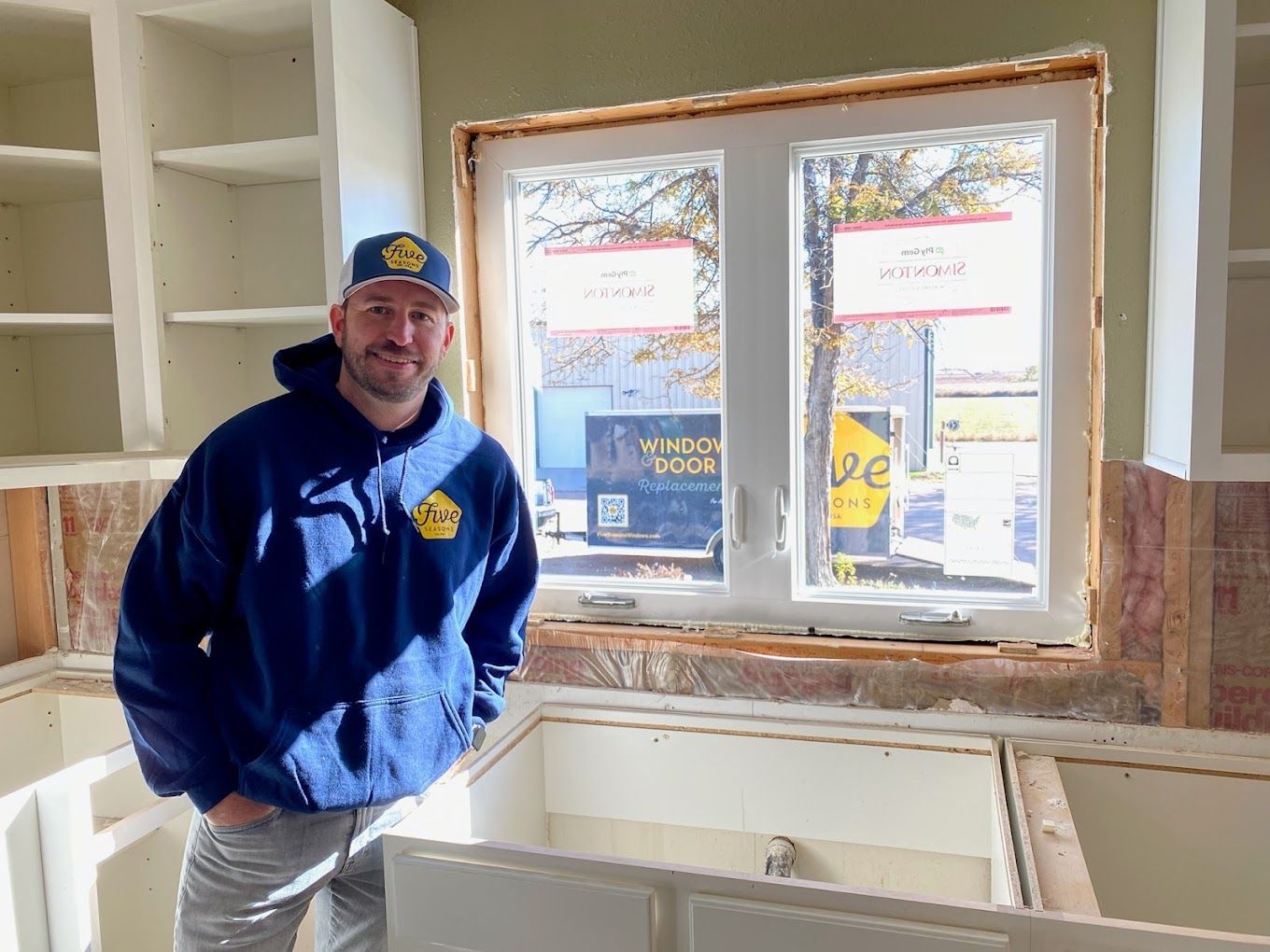
Homes built to modern standards often feature openings that match standard window dimensions well. In these cases, standard sizes may provide excellent fit without custom manufacturing.
New construction typically follows standardized framing practices that create openings sized for common window dimensions. If your relatively recent home has standard openings, standard windows may serve perfectly well at potentially lower cost.
Exact Replacements
When existing windows are standard sizes and fit their openings properly, replacement with the same standard size makes sense. The measurement process should verify this, but many replacement projects appropriately specify standard dimensions.
Budget Constraints
Custom sizing typically costs more than standard-not dramatically, but enough to matter for large projects. When budget constraints limit options and standard sizes can work reasonably well, the additional cost of custom fitting may not be justified.
The decision requires honest assessment of how well standard sizes actually fit. A window that's slightly undersized may still perform acceptably with proper installation technique. A window that's significantly undersized-requiring extensive shimming and gap-filling-will likely underperform enough to justify custom fitting's additional cost.
Evaluating Your Situation
Signs That Custom Fitting May Be Needed
Several indicators suggest custom fitting would benefit your project. Older homes generally warrant custom sizing consideration since pre-standardization construction rarely matches modern dimensions. Previous window replacements that required significant modification to openings suggest non-standard conditions. Visible gaps, excessive caulking, or performance problems with current windows may indicate poor fit that custom replacement could address.
If multiple quotes for your project specify different window sizes, this inconsistency suggests openings don't match standards clearly. The variation may indicate that contractors are estimating rather than measuring precisely, or that standard sizes don't fit well and different contractors are choosing different compromises.
Questions to Ask Contractors
When evaluating window replacement proposals, ask specifically about sizing approach. Do they measure each opening individually or assume standard dimensions? How do they handle openings that don't match standard sizes? What gap-filling techniques do they use, and how do these affect long-term performance?
Contractors experienced with Colorado's housing stock should readily discuss custom fitting and explain when it's appropriate versus when standard sizes suffice. Reluctance to discuss sizing in detail may indicate a one-size-fits-all approach that doesn't serve your specific situation optimally.
Assessing Your Openings
While professional measurement determines final specifications, homeowners can make preliminary assessments. Measure several similar-looking windows in your home-if dimensions vary significantly between apparently identical openings, custom fitting becomes more likely necessary.
Look for signs of previous modifications around windows: patches in drywall, inconsistent trim dimensions, visible foam around frames. These suggest prior fit issues that custom replacement might address.
Consider your home's age and construction type. Homes built before 1970 more frequently require custom sizing. Custom-built homes of any era may have non-standard openings. Tract homes built to common plans during the 1980s and later more often accept standard sizes.
People Also Ask About Custom Window Fitting
1. How much more do custom-fitted windows cost compared to standard sizes?
Custom sizing typically adds 10-20% to window cost compared to identical standard-size products, though this varies by manufacturer and specific dimensions. The premium reflects manufacturing to specific dimensions rather than pulling from standard inventory. For projects where custom fitting significantly improves performance-particularly in older homes with non-standard openings-the additional cost often delivers value through better energy efficiency and longer service life. Projects where standard sizes fit reasonably well may not justify the premium. Professional assessment of your specific openings helps determine whether custom fitting's benefits warrant its costs for your situation.
2. How long does it take to get custom-fitted windows manufactured?
Custom window lead times typically run 4-8 weeks from order to delivery, compared to 1-3 weeks for standard sizes from inventory. Premium manufacturers like Marvin, ProVia, and Anlin have streamlined custom production, so the difference is modest. Planning your project timeline around this lead time allows custom fitting without significant delays-the measurement and ordering process simply starts earlier. For projects where custom fitting substantially improves results, the additional wait time represents minor inconvenience for years of better performance.
3. Can any window style be custom fitted, or only certain types?
Most window styles are available in custom dimensions, including double hung, casement, awning, sliding, and picture windows. Manufacturers produce these styles to custom specifications routinely. Some specialty styles or configurations may have more limited customization options or longer lead times. Extremely large or unusual dimensions may require consultation with manufacturers about feasibility and structural requirements. Bay and bow windows, which combine multiple units, typically offer significant dimensional flexibility since they're assembled to project specifications regardless of standard-versus-custom designation.
4. Will custom-fitted windows improve my home's energy efficiency?
Custom fitting can meaningfully improve energy efficiency by reducing air infiltration around the window perimeter. When windows fit their openings properly, they seal more completely and rely less on secondary materials (foam, caulk) that may degrade over time. The improvement magnitude depends on how poorly standard sizes would fit your openings-homes with significantly non-standard openings benefit most. Combined with quality glazing packages (low-E coatings, argon fill, appropriate U-factor ratings), custom-fit windows deliver efficiency benefits from both the glass performance and the installation quality that proper fit enables.
5. Should I get custom-fitted windows for a historic home in Colorado?
Historic homes in Colorado almost always benefit from custom fitting, often substantially. Pre-standardization construction created openings that don't match modern standard sizes, and historic preservation principles generally favor fitting new windows to existing openings rather than modifying historic framing to accept standard products. Custom fitting allows installation of modern, energy-efficient windows while maintaining appropriate proportions and profiles. Manufacturers offer products specifically designed for historic applications-with authentic sightlines, divided lite options, and profiles complementing original architecture-in custom dimensions that fit your actual openings properly.
Related Reading
Selecting appropriate window styles for your home works in conjunction with ensuring proper fit. Understanding which styles suit different rooms and architectural contexts helps you make comprehensive window decisions.
For guidance on choosing window types that complement Colorado homes and perform well in our climate, see our article on Best Window Styles For Colorado Homes.
Our Take
At Five Seasons Windows & Doors, we approach every project with careful attention to fit because we've seen how significantly it affects long-term results. Our measurement process evaluates each opening individually, identifying where custom sizing delivers meaningful benefit and where standard dimensions serve appropriately.
As authorized dealers for Marvin, ProVia, and Anlin, we have access to custom manufacturing from premium brands with proven quality control. Our installers understand that precision-manufactured windows require corresponding precision in installation-we don't compromise the advantage of proper fit through careless technique.
Colorado's housing diversity-from historic Denver neighborhoods to mountain properties to suburban communities-means one approach doesn't fit all situations. We'd rather recommend standard sizes when they work well than oversell custom fitting unnecessarily. That honest guidance, combined with quality products and skilled installation, explains our 230+ five-star reviews from homeowners throughout the state.
Final Takeaway
Custom window fitting matters most when your openings don't match standard dimensions well-a common situation in Colorado's older homes, custom-built properties, and mountain construction. The benefits of proper fit include better energy performance, more reliable long-term durability, and installations that look right because they are right. While custom sizing costs more and takes longer than standard products, the investment often pays dividends through years of superior performance. Work with contractors who measure carefully, explain their sizing recommendations, and demonstrate experience with both custom and standard approaches. The goal isn't custom fitting as a default, but rather the best fit for your specific home and situation.
Get Started Today
Five Seasons Windows & Doors is Colorado’s top-rated local window company with 230+ 5-star reviews. We offer expert advice, no-pressure quotes, and flexible project options — including phased installs. Schedule your consult today.