

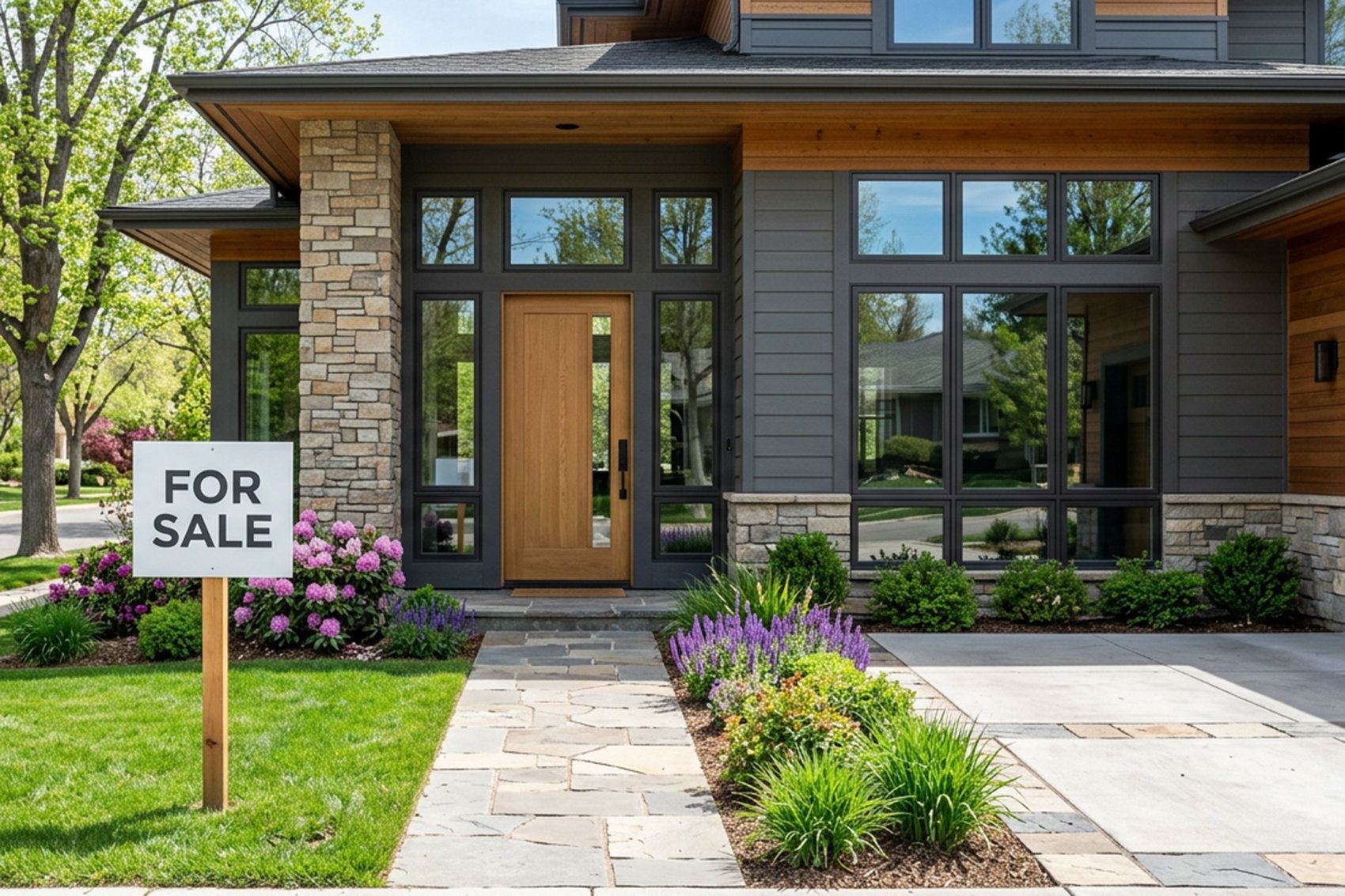
To maximize your Denver home's curb appeal for peak selling season, focus on the exterior features buyers notice first, especially the front door, the windows facing the street, and anything that signals deferred maintenance. The first impression buyers form from the curb often decides whether they walk through the front door interested or already skeptical, and curb appeal is not vanity; it is the visible signal of how a home has been cared for. In a competitive Front Range market it shapes both how many offers a listing attracts and how strong they are, and windows and doors are central to that signal because they are some of the largest, most prominent features of a home's exterior.
According to the 2025 Remodeling Cost vs. Value Report, eight of the top ten highest-ROI home improvement projects nationally are exterior replacements, with curb-appeal upgrades consistently outperforming most interior remodels. Window replacement specifically recoups between 67 and 72 percent of its cost at resale on average, and the Mountain West region, including Colorado, tends to land at the upper end of that national range thanks to strong buyer demand and a market that genuinely values energy efficiency. That is a meaningful return, even before counting the energy savings a seller captures in the months before listing.
This guide walks through how to think about curb appeal as a Denver seller heading into peak season: what buyers actually notice, where exterior improvements pay off, how windows and doors fit into the picture, and how to time and prioritize the work so it lands when it matters most. Spring is the busiest stretch of the Denver real estate calendar, and the homes that show best are usually the ones whose owners planned ahead.
Why Curb Appeal Matters in Denver's Spring Market
The Power of First Impressions
Buyers form an opinion of a home within seconds of seeing it. Real estate professionals widely recognize that the exterior walk-up sets expectations for the entire showing, and a strong first impression makes a buyer arrive interested and ready to be sold on the interior. A weak first impression has the opposite effect; buyers walk in already counting reasons not to write an offer. In a market with multiple homes competing for the same eyes, that difference matters.
Denver's spring market is especially competitive. Listings concentrate in the months from March through June, when buyers come back into the market after winter and inventory grows quickly. The homes that stand out tend to be the ones that look genuinely well kept from the street, not necessarily the most expensive ones, but the ones where the exterior reads as cared-for and current.
What Buyers and Inspectors Notice
Buyers notice condition before they notice taste. A peeling front door, foggy or scratched windows, a tired-looking facade, and worn trim all signal deferred maintenance, and deferred maintenance translates in a buyer's mind to a longer to-do list after closing. Conversely, fresh paint, clean glass, modern hardware, and an inviting entry suggest a home that has been kept up.
Inspectors notice the same things from a more technical angle. Failing window seals, condensation between panes, drafts, and aging weatherstripping all show up on inspection reports and become negotiation points after an offer is accepted. Addressing visible exterior issues before listing both improves the first impression and removes potential sticking points later in the sale.
The Role of Windows and Doors in Curb Appeal
Windows as a Visual Anchor
Windows are often the largest design element on a home's exterior, and their condition and style do a lot of work in shaping how a house reads from the street. New windows, with clean frames, crisp lines, and clear glass, make a home look noticeably newer even when nothing else changes. Updated window styles can modernize an older home's appearance, while dark-framed casements have become a particularly hot design trend that adds contemporary appeal to almost any facade.
Beyond style, windows visibly communicate condition. Cloudy panes from failed seals, peeling or sun-damaged sashes, mismatched replacements done over the years, and visible drafts or condensation all read instantly as wear. New windows resolve all of that at once, which is part of why they give such a strong curb-appeal lift relative to their cost.
The Front Door as a Curb Appeal Multiplier
The front door is the single most concentrated piece of curb appeal real estate. It is the focal point of the entry, the place a buyer's eye lands when they arrive, and the gateway to the entire showing experience. The same Report has consistently shown that steel and fiberglass entry door replacements are among the highest-returning home improvement projects nationally, often recouping a larger share of their cost than almost any other upgrade.
For a Denver seller, this matters because front doors are also relatively quick and affordable to upgrade compared to other curb-appeal work. A modern entry door, with quality hardware and a fresh paint or finish, can transform the look of an entry in a day or two of installation. Paired with updated front windows on the same facade, the combination delivers an outsized visual lift for the investment.
Energy Efficiency as a Selling Point in Denver
Why Buyers Pay Attention to It Here
Energy efficiency used to be a nice-to-have feature; in 2026 it has become something Colorado buyers actively look for. Rising energy costs, increased awareness of efficiency standards, and the state's recent move to require Energy Star Northern Climate Zone certification for any new window sold in Colorado have all sharpened buyer expectations. A home with documented efficient windows looks like a smaller utility bill and a longer service life, both of which are real selling points.
Energy Star reports that certified replacement windows can reduce a home's heating and cooling costs by an average of about 12 percent nationwide, and the U.S. Department of Energy estimates that replacing single-pane windows in particular can save between roughly 126 and 465 dollars per year depending on the home, the climate, and the windows. In Denver's climate, with cold winters and hot summers, the savings tend to land toward the upper end of those ranges for homes that previously had older or failing windows.
Compliance as a Listing Advantage
The 2026 efficiency law adds another dimension specifically for Colorado sellers. A home whose windows already meet the current Energy Star Northern Climate Zone standard is one less concern for a future buyer, who otherwise inherits the question of when those windows will need to be brought up to code. A listing that can document compliant, efficient windows removes a potential negotiation point and signals that the seller invested in the home properly. For a fuller view of how the law, altitude, frame materials, and resale all fit together, our Ultimate Guide to Window Replacement in Denver: 2026 Edition pulls the whole picture together in one place.
For homes still running older windows, the calculation comes down to timing and budget. A full replacement before listing is a substantial project, while addressing the most visible and worst-performing windows on the front of the home can deliver most of the curb-appeal and inspection-report benefit at a lower cost. The right answer depends on the home's condition and the seller's timeline.
Prioritizing the Work Before You List
Where to Spend First
Not every dollar spent on curb appeal pays back equally, and a seller working toward a listing date is better served by focusing on the highest-impact, most visible improvements first. The front of the home, the entry, and the windows facing the street do disproportionate work in shaping a buyer's first impression. If the budget is limited, concentrating on those elements rather than trying to address the entire exterior tends to deliver a stronger return.
For windows specifically, that often means replacing or updating the windows most visible from the curb before worrying about side or rear elevations. Buyers see the front first, and inspectors look at all of them, so a balanced approach is to fix what is visible for showings while addressing any genuinely failing windows on less prominent walls to keep them off the inspection report. A consultation with a window professional can help identify which openings will give a seller the biggest visible and functional return.
Timing the Project to Hit the Market
Window and door replacement is not something to start the week before listing. Quality projects take time to plan, quote, and install, and trying to rush the process under a listing deadline rarely produces a good outcome. The smarter approach is to start the conversation a few months before the planned listing date, which leaves room to make material and color decisions thoughtfully, schedule installation, and address any surprises that come up.
For sellers planning a spring listing, that means starting in winter, which has the added benefit of avoiding the spring rush when installers are at their busiest. Cold-weather installation is fully workable in Denver with the right crew, and finishing the work in late winter or very early spring positions the home to debut with everything in place when the market peaks.
Setting Realistic Expectations on Return
What the Numbers Actually Show
It is important to be straightforward about what new windows will and will not do for a sale price. Industry data on window replacement ROI consistently shows a strong return, but one that means a seller does not typically recover the full installed cost as a direct dollar-for-dollar bump in sale price. What the figure captures is the resale value lift attributable to the project, which is only part of the total return.
The fuller picture includes the energy savings captured in the months or years before selling, the removal of inspection-report red flags that would otherwise become buyer negotiation points, and the harder-to-measure but real effect of a home that simply shows better and attracts stronger offers. Industry analyses that put window ROI in the broader 65 to 80 percent range, and that consistently rank exterior replacements among the highest-return projects available, both point in the same direction: windows pay back well, just not at a magical 100-plus percent figure that some marketing implies.
Beyond the Resale Number
For many Denver sellers, the most important return on new windows is not the resale percentage but the speed and ease of the sale. A home that looks fresh from the curb, shows well in photos, and clears inspection without window-related issues tends to attract more interest and stronger offers in a shorter listing window. In a competitive market, days on market and offer strength can matter as much as the headline list price.
There is also a long-tail benefit for sellers who do not list immediately. New windows installed a year or two before a planned sale capture energy savings in the meantime and arrive at listing as recent, documented upgrades rather than aging features. For homeowners weighing whether to invest now or wait, that timing question is worth thinking through with both the listing strategy and the existing windows' actual condition in view.
People Also Ask About Window Replacement and Selling a Home in Denver
1. Do new windows actually help a Denver home sell faster?
In a competitive market they often do, though no single upgrade guarantees a faster sale. New windows directly address several things buyers and inspectors look at, including the condition of glass and seals, the appearance of the facade, and documented energy efficiency. Homes that show well from the curb and clear inspections without window-related issues tend to attract more interest and stronger offers, which translates to faster sales on average.
The effect is most pronounced when the old windows were visibly failing or significantly dated, since the change is more dramatic. For a home whose existing windows are sound and recently updated, new windows offer less marginal benefit, and the seller's investment may pay back better elsewhere.
2. Will replacing windows let me list my home for more money?
It can support a higher list price, but the impact is usually more modest than the cost of the windows themselves. According to the 2025 Cost vs. Value Report, window replacement recoups a meaningful share of its cost at resale, with the Mountain West tending to land at the upper end of the national range. That is a strong return for a home improvement project, but it is not a one-to-one dollar bump on the sale price.
Where windows often pay back beyond the resale percentage is in attracting more interest, eliminating inspection objections, and capturing energy savings between installation and sale. The smartest framing is that new windows improve the salability and appeal of the home rather than directly inflating the headline price.
3. Is it worth replacing windows just before selling?
It depends on the condition of the existing windows and how much time you have. If your current windows are visibly failing, foggy, or dated enough to be a noticeable detractor in showings, replacing the most visible ones before listing typically improves how the home presents and removes a likely inspection issue. That can pay back in faster, cleaner offers even if the full installed cost is not recovered in the list price.
If the existing windows are sound and just not new, the case for last-minute replacement is weaker. The investment may serve a homeowner better if made earlier, allowing the energy savings to accrue and the upgrades to feel like a more established part of the home rather than a pre-listing cosmetic move.
4. Which windows should I prioritize replacing before listing?
The windows most visible from the street do the most for curb appeal, so the front of the home is generally the highest priority for a seller working on a budget. After that, any window that is actively failing, foggy from a broken seal, or visibly deteriorated should be addressed regardless of location, because inspectors will catch them and they will surface in negotiations.
For sellers with the budget to do more, addressing all dated or underperforming windows positions the home to be marketed as fully updated, which can broaden its appeal. A walkthrough with a window professional, focused on the seller's timeline and budget, is the most efficient way to identify where the work will do the most good.
5. When should I start a window project if I want to list in the spring?
Earlier than most sellers realize. A quality window project includes consultation, product selection, ordering, scheduling, and installation, which together can take weeks to a few months depending on the size of the job and the manufacturer's lead times. Starting the conversation in late fall or winter for a spring listing leaves room to plan thoughtfully, schedule installation outside the busy spring rush, and finish in time for the home to debut with everything in place.
Cold-weather installation is fully workable in Denver with the right crew, so winter is a legitimate time to do the work. Waiting until peak spring to start the project usually means longer lead times, busier installers, and a tighter timeline that does the seller no favors.
Our Take
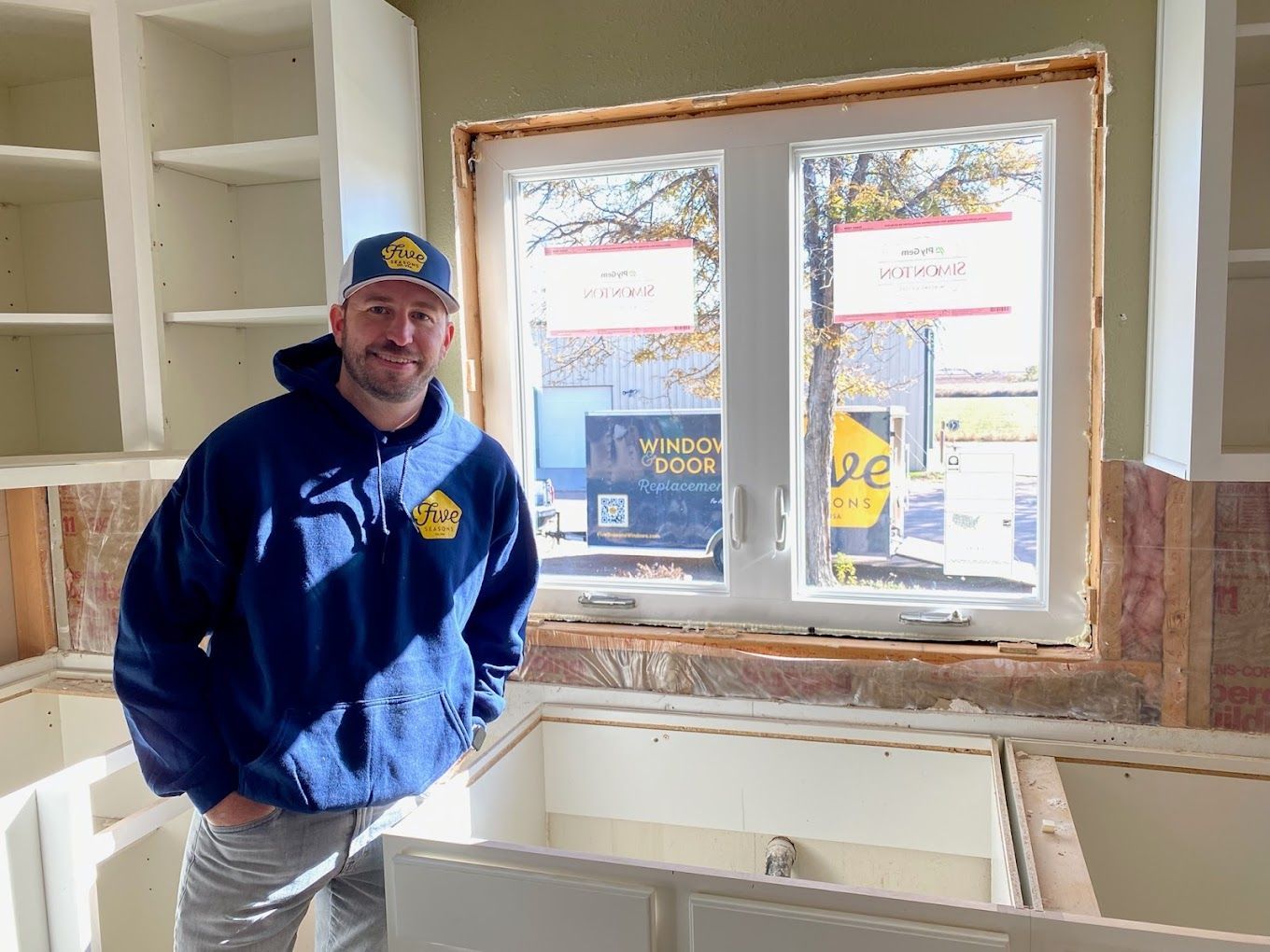
At Five Seasons Windows & Doors, we work with a lot of homeowners planning to sell, and our honest view is that windows and doors are one of the more reliable curb-appeal investments a Denver seller can make. The visual lift is real, the inspection-report benefit is real, and the resale data backs up that exterior replacements consistently outperform most interior remodels in return on investment. For homes whose existing windows have visibly aged out, replacing them before listing tends to pay back in a combination of stronger offers, faster sales, and fewer negotiation snags after an offer comes in.
We are also straightforward about what the upgrade does and does not do. Windows are not a magic price-multiplier, and credible data does not support claims of more than 100 percent return at resale. What new windows do is make a home show better, remove a category of inspection objections, and signal that the home has been kept up. We work with the brands we trust most for Colorado homes, Marvin, ProVia, and Anlin, and for sellers whose strategy hinges on curb appeal, the Marvin Signature collection, especially the Ultimate line, brings the architectural detail and visual quality that does the most visible work on a facade.
What we would tell any seller is to start earlier than feels necessary and to focus the budget on what buyers actually see first. The front of the home, the entry, and the most prominent windows do disproportionate work in shaping first impressions, and getting those right does more for the listing than spreading the same money thinly across less visible parts of the home. We help homeowners scope projects with the listing timeline in mind, and we are happy to walk through which openings will deliver the biggest return for a particular home and budget.
Final Takeaway
For Denver homeowners listing this spring, curb appeal is a meaningful lever, and windows and doors do an outsized share of the work. The visible condition of a home's exterior shapes the first impression every showing starts with, and exterior replacements consistently rank among the highest-return home improvement projects, with the Mountain West region tending to land at the upper end of national ROI figures for window replacement specifically.
The honest framing is that no single upgrade guarantees a faster sale or a higher list price, but new windows do measurable work on several fronts: improving the visual impression from the curb, removing inspection objections, capturing energy savings between installation and listing, and signaling to buyers that the home has been properly cared for. Combined with a current Energy Star Northern Climate Zone certification, which Colorado now requires for any new window sold in the state, that package makes a real difference in how a listing competes.
The biggest practical lesson is to plan ahead. The sellers who get the most out of a curb-appeal upgrade are the ones who start in winter for a spring listing, who focus their budget on the most visible improvements first, and who treat the project as part of a thoughtful go-to-market strategy rather than a last-minute cosmetic push. Done well, the work pays back not just in resale percentage but in how confidently a Denver home meets the spring market.
Get Started Today
Five Seasons Windows & Doors is Colorado’s top-rated local window company with 230+ 5-star reviews. We offer expert advice, no-pressure quotes, and flexible project options — including phased installs. Schedule your consult today.