

Window replacement in Denver in 2026 means every new window must meet Colorado's Energy Star Northern Climate Zone standard, must be built to handle the pressure of 5,280-foot altitude, and should use a frame material suited to the area's wide temperature swings. Done well, it is also among the strongest home improvements for resale.
Replacing windows in Denver in 2026 means working within a new set of rules and realities: a state law that now requires every new window to meet a higher efficiency standard, an altitude that changes how sealed glass units are built, a climate that swings dozens of degrees in a single day, and a real estate market where energy-efficient windows have become something buyers actively look for. This guide pulls all of it together into one place, so a homeowner can understand the whole picture before getting a single quote.
The short version is that window replacement here is more demanding than in most of the country, but also more rewarding when done well. Denver's combination of high-altitude sun, dramatic temperature changes, and a 2026 efficiency mandate means the windows going into homes today are meaningfully better products than what was available a few years ago. They also have to be chosen and installed with local conditions in mind, which is where understanding the fundamentals pays off.
What follows covers the four things that matter most for any Denver window project in 2026: the new state law and what it requires, the altitude factor and how it affects sealed glass, the frame materials best suited to Colorado's swings, and the return on investment in the current market. After those fundamentals, you will find sections linking to more detailed guides on specific topics, each one a deeper dive into a question this overview only introduces.
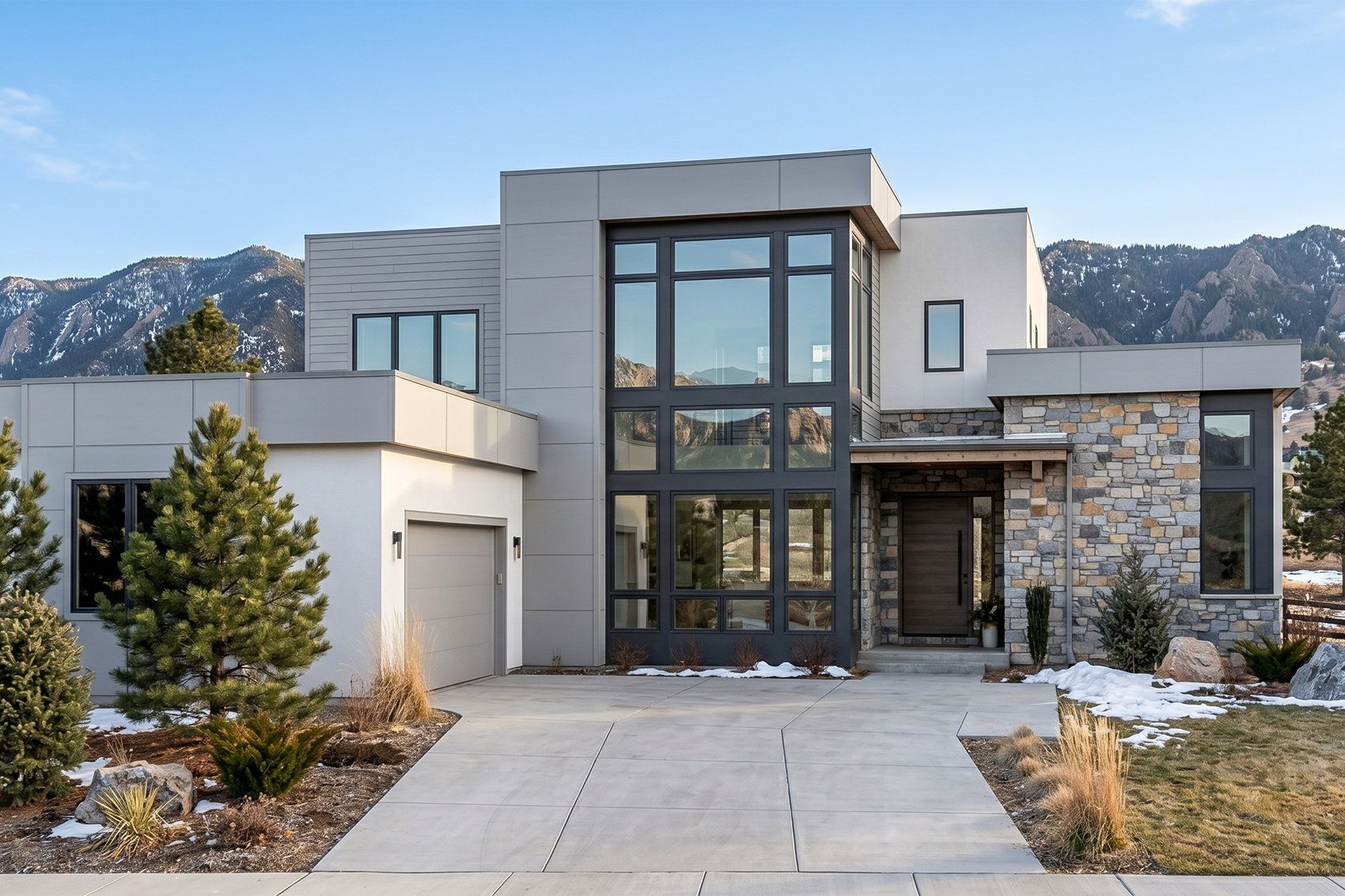
The 2026 Law: Why New Windows in Colorado Must Be Energy Star Rated
What Changed and When
As of January 1, 2026, any new residential window, door, or skylight sold in Colorado must be certified to the Energy Star Northern Climate Zone standard. This requirement comes from House Bill 23-1161, a state law that expanded Colorado's energy efficiency standards to cover residential fenestration. The rule for windows and doors was adopted by the Colorado Department of Public Health and Environment in June 2025 and took effect at the start of 2026.
The standard itself relies on Energy Star Version 7.0 criteria, which the U.S. Environmental Protection Agency finalized in 2022 and put into national effect in October 2023. Version 7.0 lowered the maximum allowable U-factor, a measure of how well a window resists heat loss, and added a minimum solar heat gain coefficient for products certified for the Northern Zone. The practical result is that the efficiency floor for any new window in Colorado is now meaningfully higher than it was a few years ago.
What It Means for Homeowners
The law does not require anyone to replace existing windows. It applies only to new products sold or installed after the effective date, so a home with older windows is under no obligation to act. The requirement matters when a homeowner decides to replace, because at that point the windows being installed must meet the standard.
One subtlety worth knowing is that Colorado requires the Northern Climate Zone qualification statewide, even though parts of the Front Range fall into Energy Star's North-Central zone on the national map. That means a window certified only for North-Central use does not satisfy the Colorado rule. When shopping, the thing to confirm is that the specific product is certified for the Northern Zone, which the Energy Star label and the manufacturer's documentation will show.
The Altitude Factor: Why Sealed Glass Units Are Built Differently Above 5,000 Feet
The Pressure Problem
Denver sits at about 5,280 feet, and that elevation creates a real engineering challenge for sealed insulating glass units. A double- or triple-pane window is sealed at the factory with a fixed amount of air or insulating gas between the panes. When that unit is manufactured near sea level and then installed at altitude, the lower air pressure outside causes the trapped gas to push outward against the glass. The effect adds up quickly: a 2,000-foot gain in elevation can create roughly 1 PSI of pressure difference, and on a window of about two by four feet that works out to over a thousand pounds of outward force, with larger glass seeing proportionally more. At Denver's elevation, that force can bow the glass, stress the seals, and shorten the unit's life if it is not accounted for.
Some industry guidance recommends addressing this when the elevation change between manufacturing and installation exceeds roughly 2,600 feet, a threshold Denver clears easily, though the exact point at which manufacturers act varies. This is not an obscure concern; it is a standard consideration for any reputable manufacturer shipping product to the Mountain West.
Breather Tubes and Gas Fills
The traditional solution is a capillary or breather tube, a tiny tube installed in the spacer of the glass unit that lets the internal pressure equalize with the local atmosphere during shipping and installation. This relieves the pressure problem, but it comes with a tradeoff: an open capillary tube can also let insulating gas fills like argon escape over time, gradually reducing the window's thermal performance. Some manufacturers crimp the tubes closed after the unit reaches altitude, and others use techniques designed to balance the unit for high-altitude installation without leaving an open tube at all.
For homeowners, the takeaway is not that one method is universally right, but that altitude is a question worth asking. A manufacturer or installer working seriously in Colorado should be able to explain how their sealed units are built to handle the elevation, whether through capillary tubes, pre-equalization, or another approach. Gas fills like argon do improve thermal performance, and how a manufacturer protects that fill at altitude is a fair and useful thing to understand before buying.
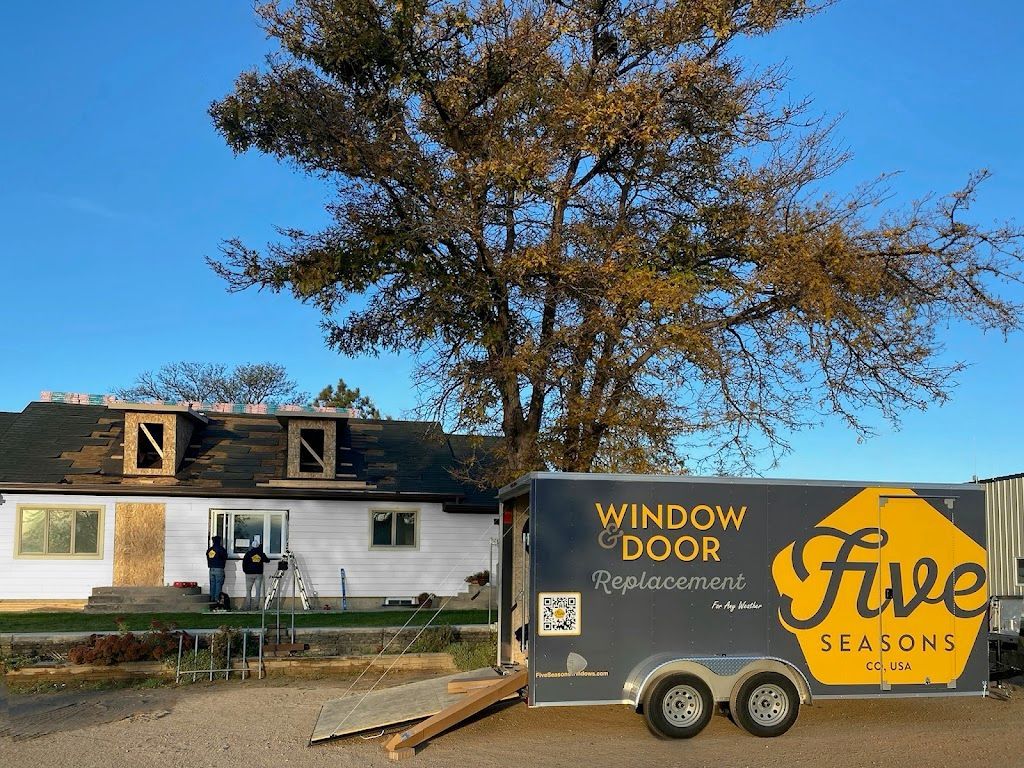
Material Science: Vinyl, Fiberglass, and Wood for Denver's Temperature Swings
Why Frame Material Matters Here
Denver's climate is unusually hard on window frames because of how fast and how far the temperature moves. The National Weather Service has recorded single-day temperature changes in Denver of more than 60 degrees, and swings of 30 to 40 degrees in a day are routine, especially in late winter and spring. Every swing makes a frame expand and contract, and over thousands of cycles that movement works on the frame's corners and the seal between the frame and the glass. Different materials handle that movement differently, which is why frame choice is a genuine performance decision in Colorado and not just an aesthetic one.
The U.S. Department of Energy identifies frame material as one of the primary factors in a window's overall thermal performance, alongside the glass package and the quality of installation. In a stable climate the differences between materials are minor. In Denver's climate they are worth understanding.
How the Materials Compare
Vinyl is the most common and most affordable option, made from rigid PVC with UV stabilizers that resist the breakdown high-altitude sun can cause. Quality vinyl is engineered to handle Colorado's seasonal movement well, requires almost no maintenance, and represents strong value, which is why it is the most widely chosen window material in the state. Fiberglass has a very low rate of thermal expansion, close to that of glass itself, so the frame and glass move together with less stress on the seal over time, a quality that suits large or heavily sun-exposed openings, though it generally costs more upfront. Wood, typically with a protective exterior cladding, offers a traditional look favored on higher-end and historic homes, combining interior warmth with a weather-resistant exterior shell. Each of these is a sound choice in Denver's climate; the question is less which material is best in the abstract and more which one fits a given window and budget.
There is also a category of composite frames sold in the broader market, engineered from blends of materials to balance cost and performance, though the specific products available vary by manufacturer and region. The right material for a given home often depends on the individual window, with sun exposure, frame color, size, and budget all factoring in. Five Seasons works with these materials within specific product lines, including Anlin vinyl, Marvin fiberglass options like Elevate and Essential, and the clad-wood Marvin Signature collection, and the choice is best made window by window rather than as a single blanket rule.
ROI: How New Windows Affect Home Value in Denver's Market
The Resale Numbers
Window replacement is consistently one of the stronger home improvement investments in terms of return. According to the 2025 Remodeling Cost vs. Value Report, vinyl window replacement recoups roughly 67 to 72 percent of its cost at resale nationally, and the report has repeatedly found that exterior replacement projects dominate the list of highest-ROI improvements, outperforming many interior remodels. Returns vary by region, and the Mountain West, including Colorado, tends to land at or near the upper end of the national range thanks to strong buyer demand and a market that values energy efficiency.
It is worth being realistic about what these numbers mean. A homeowner does not typically recoup the full cost of windows at resale in a direct dollar-for-dollar sense. What the figures capture is the resale value bump, which is only part of the total return.
The Full Return Picture
The complete value of new windows in Denver goes well beyond the resale percentage. Energy-efficient windows reduce heating and cooling bills, a benefit that compounds every year a homeowner stays in the home. They eliminate the drafts, condensation, and visible wear that show up as red flags during a home inspection. And in a market where buyers increasingly ask whether a home has Energy Star-rated windows, a yes makes a listing more competitive and can help a home sell faster.
In Denver specifically, the 2026 efficiency law adds another dimension. Windows installed now meet the current standard, which means a future buyer is inheriting compliant, efficient product rather than something that already looks dated. For a homeowner weighing whether to replace before selling, failing or single-pane windows are among the first things buyers and inspectors notice, and addressing them is one of the more reliable ways to protect both the sale price and the speed of the sale.
New 2026 Colorado Window Laws: A Closer Look
Most of the questions homeowners actually run into with HB23-1161 are the specific ones. Does the law touch a repair, or only a full replacement? What happens to windows that were purchased in 2025 but not yet installed? How do you verify, label in hand, that a given product actually meets the Northern Climate Zone requirement rather than just carrying a vague "energy efficient" sticker? The overview above explains the rule; the details are where a project either goes smoothly or gets complicated.
Our full guide on the new Colorado window laws works through each of those edge cases, including the practical questions worth asking an installer before signing anything. If you want to understand the legal landscape in detail before starting a project, read New 2026 Colorado Window Laws: What Homeowners Need to Know.
Replacing Windows in Winter: What Denver Homeowners Should Know
There is a stubborn belief that window replacement has to wait for warm weather, and that a Denver winter or an active snowstorm rules out the work entirely. It does not. Crews here replace windows year-round using cold-weather-rated sealants and a one-window-at-a-time method that keeps the home protected, with any single opening exposed only briefly. Severe conditions can push a job a day or two, but the calendar matters far less than most people assume, and the off-season can even open up scheduling that the spring and fall rush does not.
The reasoning behind all of that, including how crews decide when weather actually warrants a delay, is worth understanding if a winter project is on your mind. Read Winter Window Replacement: Can It Be Done in a Denver Snowstorm? for the full picture.
Fiberglass vs. Vinyl: Choosing a Frame for Denver's Climate
The material overview above lays out the basic tradeoffs, but the head-to-head between the two most common choices, vinyl and fiberglass, deserves more room than a paragraph. The honest answer is that both survive Denver's swings, and the better pick is rarely the same from one window to the next. A small shaded window on a north wall and a large dark-framed picture window baking on a south-facing wall are very different problems, and they can call for different answers even in the same home.
What tips the decision one way or the other, from sun exposure and frame color to size, longevity, and budget, is exactly what our detailed comparison digs into. Read Fiberglass vs. Vinyl: Which Survives Denver's 40-Degree Temp Swings? to work through it.
Argon Gas and Breather Tubes: The Truth About Altitude
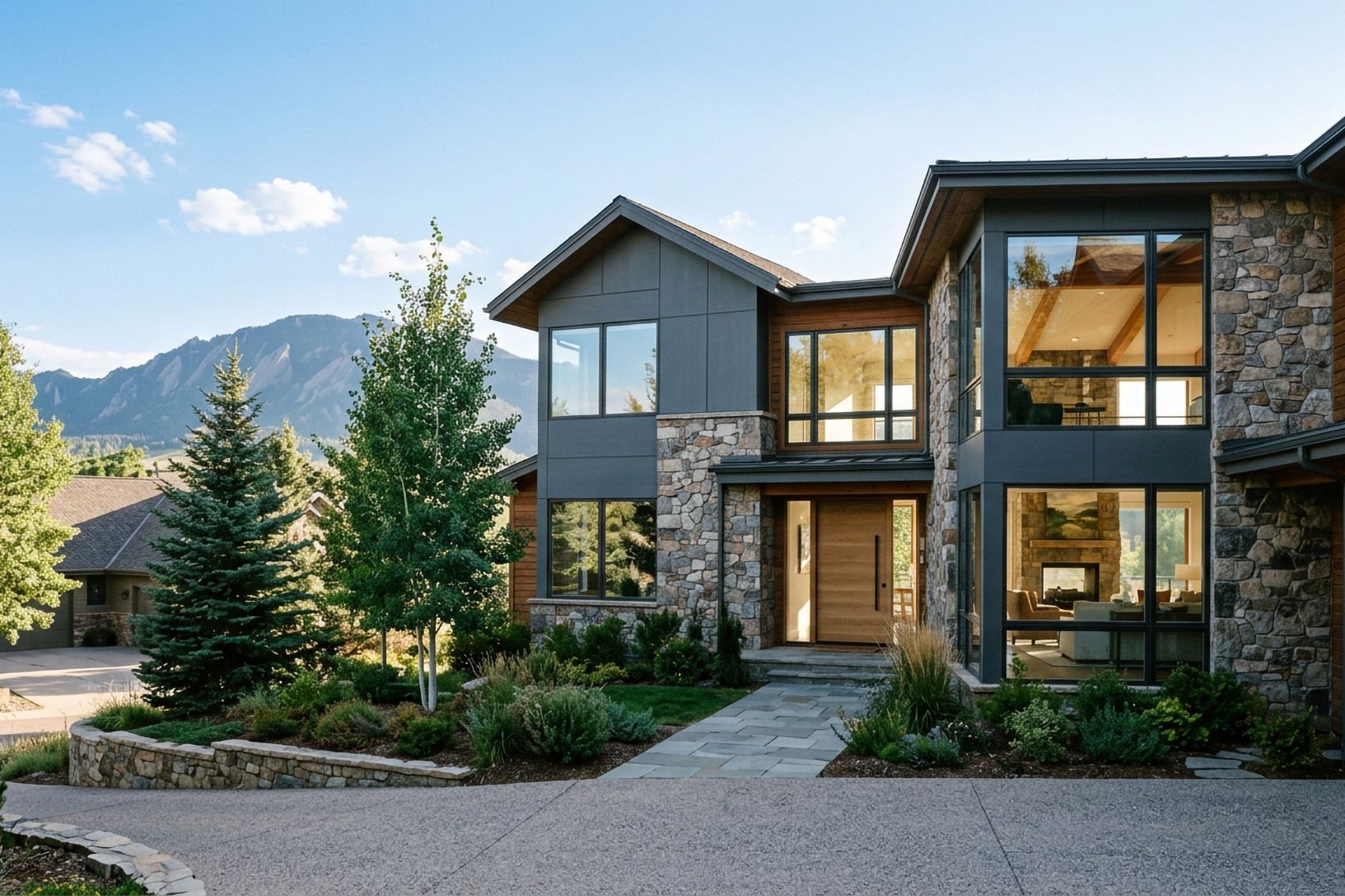
The altitude section above introduced the pressure problem and the breather-tube tradeoff, but the questions most homeowners want answered are the practical ones. Will your windows actually bow or break at 5,280 feet? Is the argon fill safe? Do breather tubes mean you slowly lose that insulating gas over the years, and how would you even tell if your current windows are already struggling with the elevation?
Our full guide explains the physics in plain language, walks through how capillary tubes solve the pressure problem and the honest tradeoff that comes with them, and gives you the questions worth asking any installer who quotes a project at altitude. Read Why Altitude Matters: The Truth About Argon Gas and Breather Tubes.
Low-E Glass: Keeping the Mile-High Sun Out
Denver's altitude does not just stress the seals; it intensifies the sun. The thinner air lets more ultraviolet and solar energy reach the glass, which is exactly where Low-E coatings earn their place. The questions worth understanding are what these microscopically thin coatings actually do, how they cut fading and summer heat gain without darkening a room, and how to match the right coating to a window's specific exposure.
Our full guide breaks down the science of Low-E coatings, the role of solar heat gain at altitude, and how to choose the right glass for each orientation in a home. Read The Science of Low-E Glass: Keeping the Mile-High Sun Out.
Soundproofing: Best Windows for Busy Neighborhoods
For homes along Denver's busier streets and corridors, the right windows do more than hold in heat; they cut the noise from outside. The catch is that "soundproof" is mostly marketing language, and the real story is about sound reduction measured in STC ratings, the laminated glass that delivers it, and which rooms are worth prioritizing first.
Our full guide explains how acoustical glass actually works, what STC ratings mean in terms a homeowner can feel, and where to focus a budget for the biggest difference in everyday quiet. Read Soundproofing Your Denver Home: Best Windows for Busy Neighborhoods.
Spring Hail Prep: Are Your Windows Impact-Resistant?
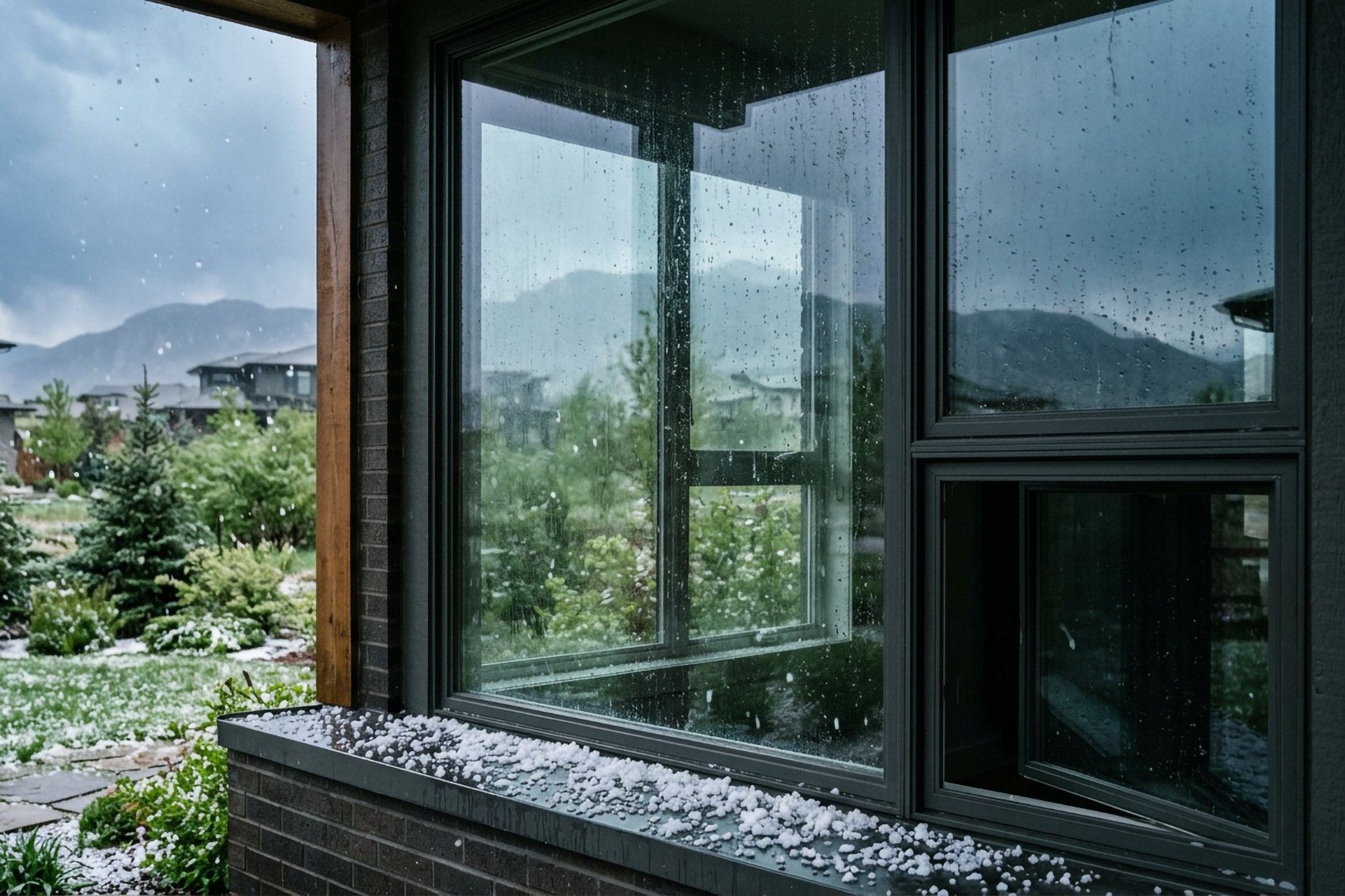
Colorado sits in one of the most hail-prone regions in the country, and spring tends to bring the worst of it. No window is truly hail-proof, but impact-resistant glass meaningfully changes the odds, and understanding the difference between standard, tempered, and laminated glass is what lets a homeowner prepare realistically rather than hope for the best.
Our full guide covers what impact-resistant glass can and cannot do, how the relevant standards work, and how to think about protecting the most exposed openings before the next storm. Read Spring Hail Prep: Are Your Windows Impact-Resistant?.
Energy Star 7.0: Slashing Winter Heating Bills
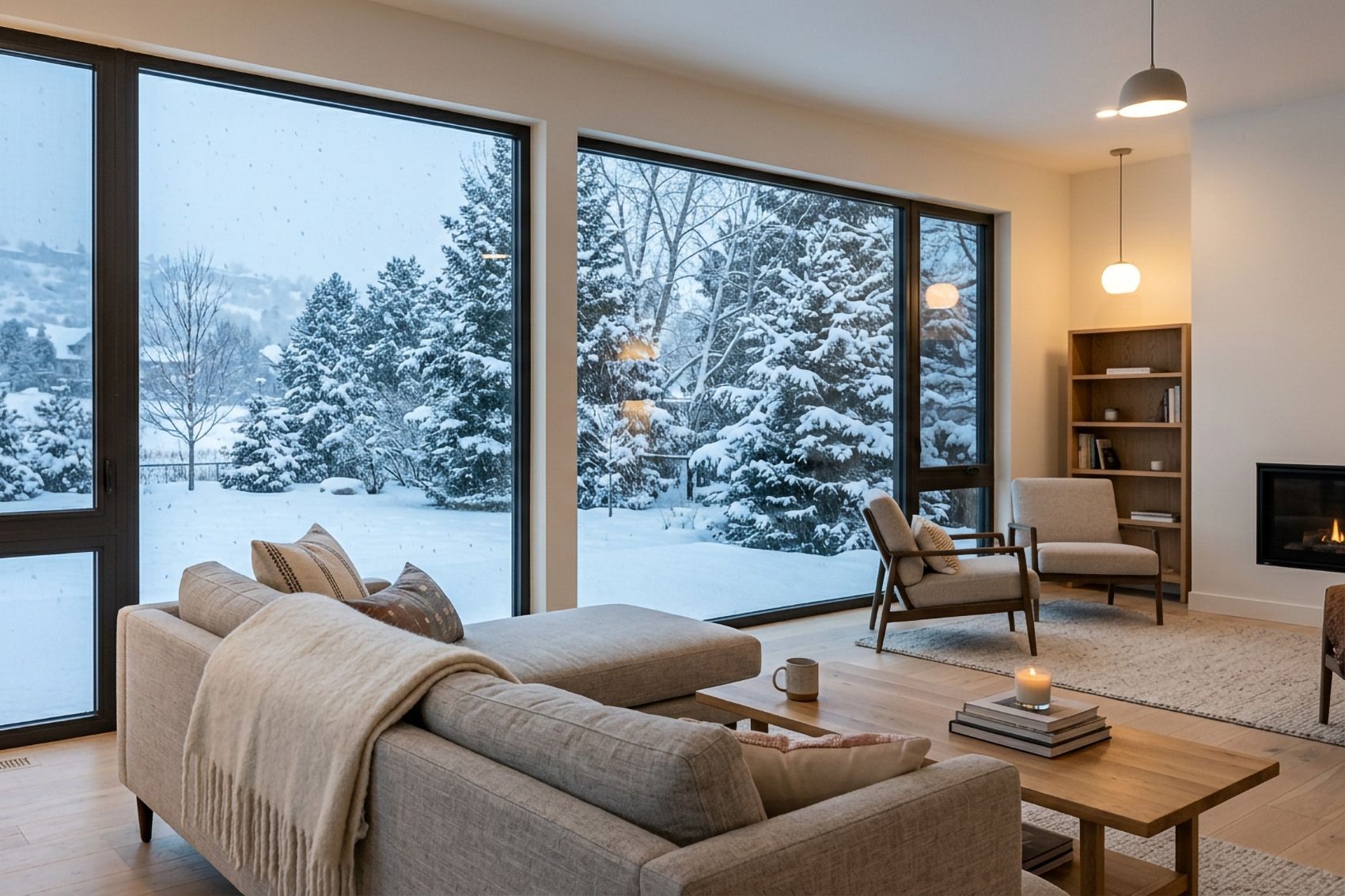
The 2026 law section above explained that Colorado now requires Energy Star Version 7.0 Northern Zone windows. The practical payoff shows up on the heating bill. The questions homeowners ask are how much they can realistically expect to save, what U-factor to look for on the label, and whether they need triple-pane glass to meet the standard at all.
Our full guide explains what Version 7.0 requires, how efficient windows translate into lower winter bills, and how to read the NFRC label so you know exactly what you are getting before you buy. Read Energy Star 7.0: How Denver Homeowners Can Slash Winter Heating Bills.
Curb Appeal: Windows and Peak Selling Season
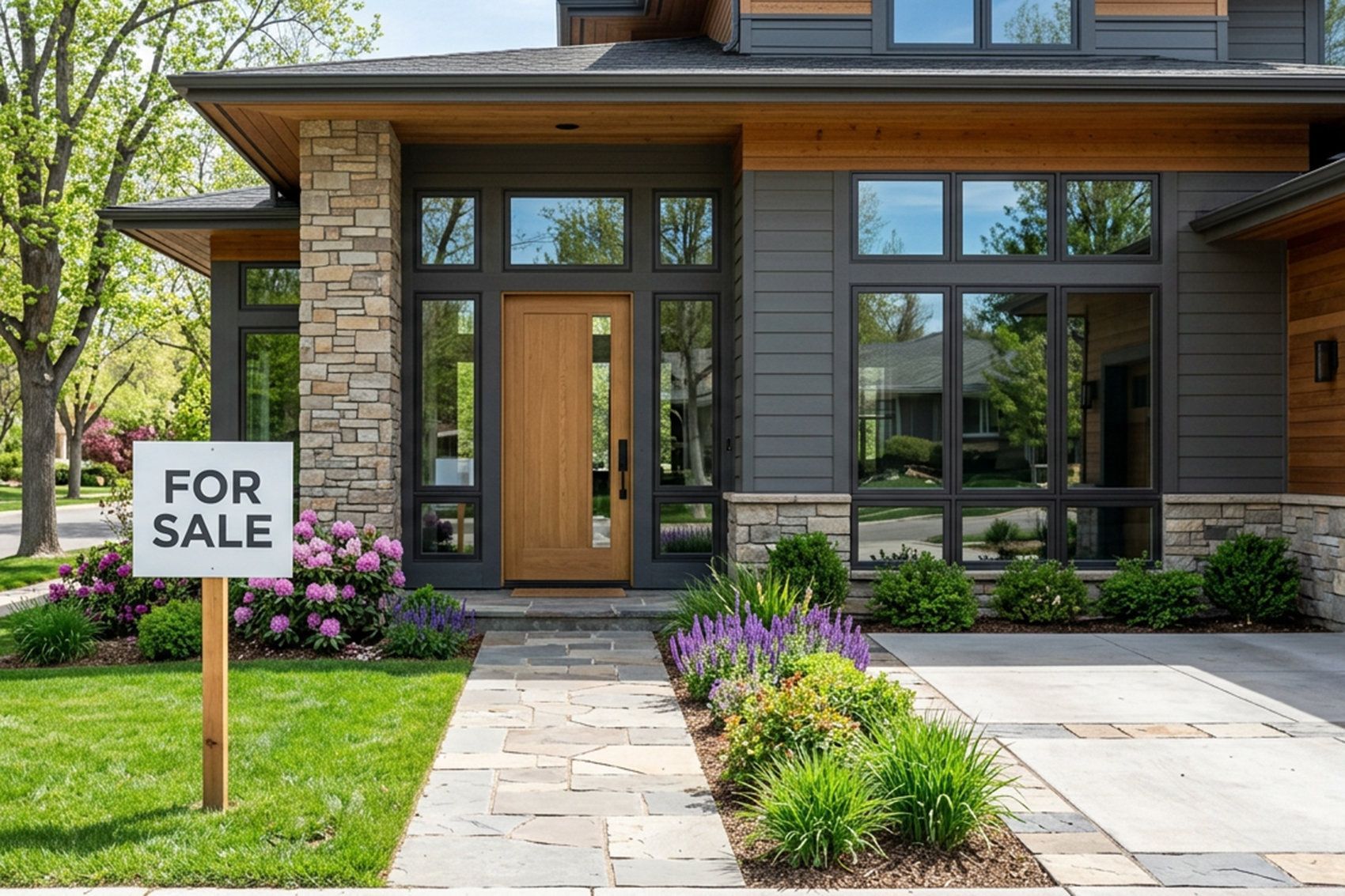
The ROI section above covered the resale numbers, and curb appeal is where a good portion of that value is won or lost, especially heading into the spring selling season. New windows and doors are among the most visible upgrades a buyer notices from the street, and they quietly signal a well-maintained home before anyone steps through the front door.
Our full guide covers how windows and doors drive curb appeal and resale value, which upgrades deliver the most visible impact for the money, and how to prepare a home to show its best. Read Maximizing Your Denver Home's Curb Appeal for Peak Selling Season.
Historic Homes: Replacing Windows in Denver's Older Districts
Replacing windows in a historic home in a district like Wash Park or Park Hill is a different undertaking from a standard project. The work has to satisfy Denver's landmark preservation review, match the original windows closely enough to honor the home's character, and still meet the 2026 efficiency standard, all at the same time.
Our full guide walks through the preservation review process, the craft of matching historic profiles and sightlines, and how a modern window can keep a period home looking true to itself while performing far better than the originals ever did. Read Case Study: Historic Window Replacement in Denver's Older Districts.
Timing: The Best Time of Year to Replace Windows
The winter-installation section above settled that cold weather is no barrier to the work. The broader question is when in the year actually favors a buyer, and for most Colorado homeowners the answer is the off-season. Fall and winter tend to bring better scheduling, more contractor availability, and the chance to get efficient windows in place before the heating season arrives.
Our full guide compares the seasons for a Colorado window project, makes the case for fall and winter, and explains how to plan around the manufacturing lead times that quality windows require. Read Best Time of Year to Replace Windows in Colorado: A Buyer's Guide for Fall and Winter.
The 2027 Outlook: Why Buying Now Saves Money
Window prices have been climbing through 2026 on a combination of metal tariffs, rising construction costs, and the higher baseline the efficiency mandate set. None of those pressures shows a clear sign of easing as 2027 approaches, which shapes the timing question for any homeowner whose windows are already due for replacement.
Our full guide lays out the documented cost factors, explains why they point upward rather than down, and helps a homeowner weigh acting now against waiting another year. Read The 2027 Outlook: Why Buying Windows Now Saves You Money Next Year.
Why We Built This Guide
At Five Seasons Windows & Doors, we put this guide together because window replacement in Denver involves more moving parts than most homeowners expect, and the information is usually scattered across a dozen places. The 2026 law, the altitude question, the frame material decision, and the resale math all interact, and understanding how they fit together makes for a better project and a more confident decision.
Our approach is to treat each of these as part of one conversation rather than separate sales pitches. We work with manufacturers whose products were certified to the Energy Star Northern Climate Zone standard ahead of the 2026 deadline, including Anlin vinyl windows, Marvin within specific product lines like Elevate, Essential, and the Signature collection, and ProVia doors. We talk through how sealed units are built for Denver's altitude, we match frame materials to the demands of each opening, and we are straightforward about what the return on investment realistically looks like in the current market.
What we would tell any Denver homeowner is that the fundamentals in this guide are worth understanding before getting quotes, because they let you ask better questions and recognize a quality answer when you hear one. A contractor who can speak clearly about Northern Zone certification, altitude-rated glass units, frame material tradeoffs, and honest resale expectations is doing the work the right way. That is the standard we hold ourselves to, and the standard this guide is meant to help you expect.
Final Takeaway
Window replacement in Denver in 2026 sits at the intersection of a new efficiency law, a high-altitude environment, an extreme climate, and a real estate market that rewards energy efficiency. The 2026 requirement to meet the Energy Star Northern Climate Zone standard raises the baseline for every new window. The altitude shapes how sealed glass units must be built. The temperature swings make frame material a genuine performance decision. And the resale data shows that quality windows are among the more reliable home improvements a homeowner can make.
None of this needs to be overwhelming. The fundamentals are understandable, and they point in a consistent direction: choose a window certified to Colorado's current standard, built to handle the altitude, made from a frame material suited to your specific windows, and installed correctly by a crew that knows the local conditions. Get those pieces right and a replacement project will serve a home well for decades.
This guide is the starting point. The linked articles above go deeper on each piece of the picture, from the law, the altitude, and the frame materials to glass technology, efficiency, resale, historic homes, and the timing and cost of a project. Whether you are planning a project now or simply learning what the 2026 landscape looks like, understanding these fundamentals puts you in a strong position to make a decision that fits your home, your budget, and Colorado's demanding climate.
Frequently Asked Questions
How much does window replacement cost in Denver?
The cost depends on the number of windows, the frame material, the glass package, and the complexity of the installation, so the range is wide. Rather than a one-size figure, the reliable way to know is a current quote on your specific home. Custom sizes and higher-performance products cost more than standard ones.
What does Colorado's 2026 window law require?
As of January 1, 2026, every new window, door, or skylight sold in Colorado must be certified to the Energy Star Northern Climate Zone standard under House Bill 23-1161. The law applies only to new products, so existing windows do not have to be replaced, but any replacement must meet the standard.
How long do windows last at Denver's 5,280-foot altitude?
A quality window built and installed for the elevation can last for decades at Denver's altitude. The key is that the sealed glass unit is built to handle the high-altitude pressure, through a capillary tube or equivalent solution, so the seals are not overstressed. A unit not specified for altitude can fail earlier.
Is vinyl or fiberglass better for Denver's climate?
Both perform well in Denver's temperature swings, and the better choice often varies from one window to the next. Vinyl offers strong value and low maintenance. Fiberglass expands and contracts very little, which suits large or heavily sun-exposed openings, though it costs more. The right pick depends on the specific window and budget.
What is the best time of year to replace windows in Colorado?
Fall and winter are often the smartest seasons. The off-season tends to bring better scheduling, more contractor availability, and the chance to get efficient windows in place before the heating season. Cold weather is no barrier, since experienced crews install year-round using winter-rated materials and a one-window-at-a-time method.
Do new windows in Denver really lower energy bills?
Yes, especially when replacing older, single-pane, or failing windows. Energy Star certified replacement windows reduce a typical home's heating and cooling costs by an average of about 12 percent nationally, with homes replacing the worst windows in a cold climate like Denver's tending toward the higher end of the savings range.
Does window replacement add value when selling a Denver home?
It does. Vinyl window replacement recoups roughly 67 to 72 percent of its cost at resale nationally, and exterior projects like windows consistently rank among the highest-return improvements. New windows also signal a well-maintained home to buyers and remove a common inspection red flag, which can help a home sell faster.
Get Started Today
Five Seasons Windows & Doors is Colorado’s top-rated local window company with 280+ 5-star reviews. We offer expert advice, no-pressure quotes, and flexible project options including phased installs. Schedule your consult today.