

Yes, windows can be replaced in winter in Denver, and in most cases a snowstorm does not stop the work. Professional installers use cold-weather-rated sealants and foams, replace one window at a time to limit heat loss, and keep each opening exposed for only a short window of time. Work pauses only during genuinely severe conditions, such as heavy active snowfall, high winds, or dangerous cold, when safety and material performance are at risk.
The concern behind the question is reasonable. Removing a window in January sounds like an invitation for a frozen living room, and many homeowners assume sealants and adhesives simply will not set in the cold. In practice, the materials used for modern installation are formulated for low temperatures, and the method crews use in winter is different from the one they use in July. The U.S. Department of Energy notes that windows are a significant source of residential heat loss, which means a drafty old window left in place through winter is often costing more in lost heat than a brief, well-managed installation would.
This guide explains how winter window replacement actually works in Denver, when weather genuinely forces a delay, and why the slower season can sometimes work in a homeowner's favor on scheduling. The short version is that winter is a perfectly workable time to replace windows here, as long as the crew knows what they are doing and the forecast cooperates.
Why Winter Window Replacement Is Possible in Denver
The Myth Versus the Method
The belief that windows cannot be installed in cold weather is one of the most persistent myths in home improvement. It usually rests on three assumptions: that sealants will not cure, that insulating foam will not expand, and that the house will lose all its heat during the swap. Each of these is addressable, and none of them holds up against how professional crews actually work in winter.
The materials are the first part of the answer. Walk down the sealant aisle at any hardware store and you will find products rated specifically for cold-weather application. Low-temperature polyurethane foams and silicone-based sealants are formulated to apply, expand, and cure properly in sub-freezing conditions, with some rated to bond at temperatures close to zero degrees Fahrenheit. House projects do not stop when the temperature drops, and manufacturers have designed these products to perform across the full range of conditions a Colorado winter throws at them.
How Denver's Climate Factors In
Denver's winter is actually well suited to this kind of work compared to wetter, milder climates. The region's low humidity and frequent sunny days mean that surfaces are often dry, which matters because most cold-weather sealants and caulks bond poorly to wet or icy surfaces. A dry, cold, sunny Denver afternoon can be a better installation environment than a damp, above-freezing day somewhere else.
The flip side is Denver's variability. The same week can swing from a sunny 50-degree afternoon to a sub-zero snap, and the National Weather Service has documented single-day temperature changes in Denver of more than 60 degrees. A good local crew watches the forecast closely and schedules around the cold snaps rather than fighting through them, which is part of why local experience matters for a winter project.
How Professional Crews Handle Cold-Weather Installation
One Window at a Time
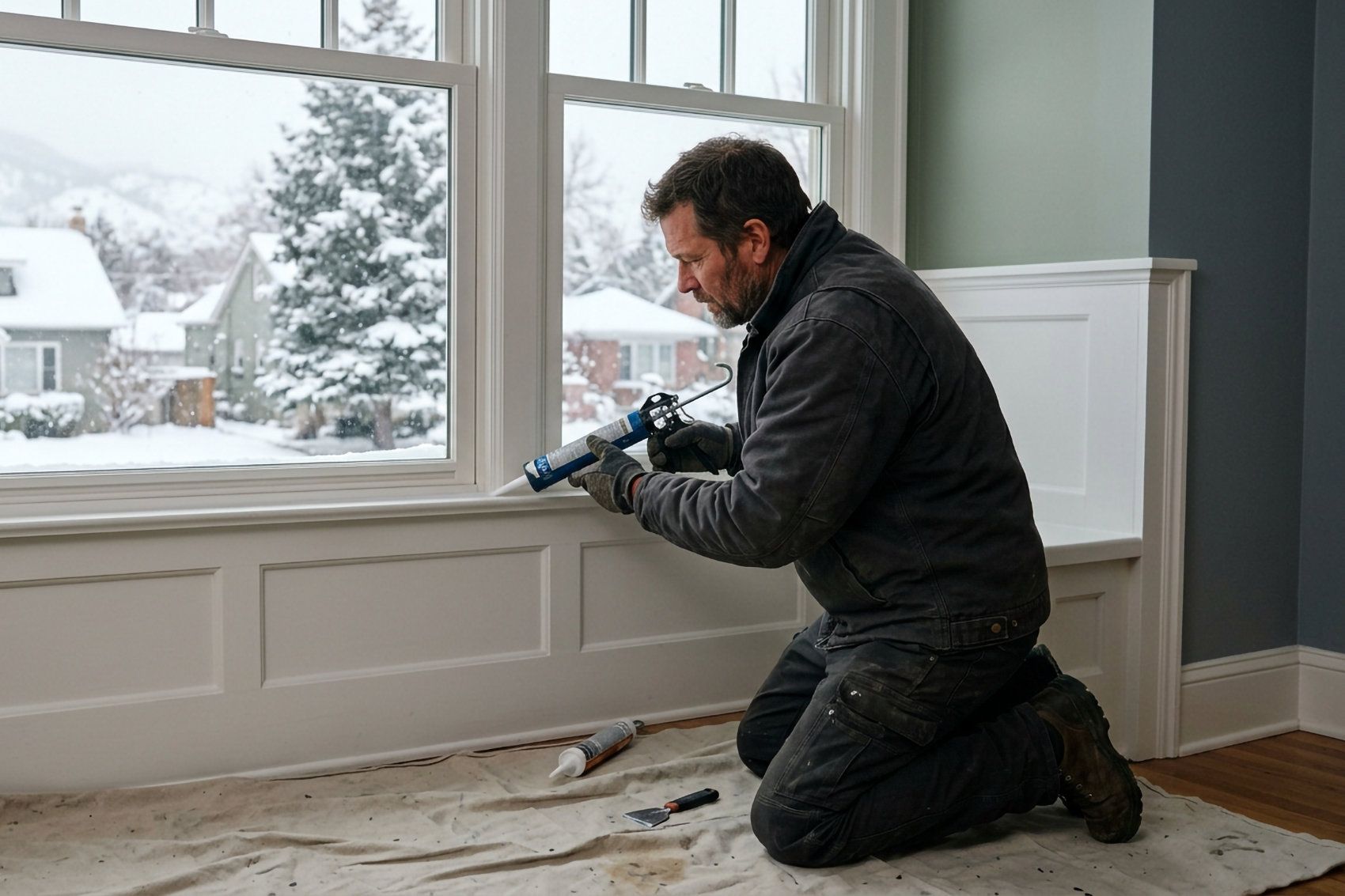
The single most important winter technique is replacing windows one at a time rather than pulling several openings at once. In warmer months, a crew might remove multiple windows simultaneously to work efficiently. In winter, each old window is removed and the new one is set and sealed before the crew moves to the next opening. This keeps the home's interior protected and limits how much cold air enters at any point.
The practical effect is that any given opening is typically exposed to outside air for only a short period, often in the range of 15 to 30 minutes, while the old unit comes out and the new one goes in. That is a brief, localized chill in one room, not hours of the whole house standing open to the January air. Most homeowners are surprised by how little the indoor temperature actually moves during a well-run winter install.
Staging Materials and Managing the Site
Cold-weather installation takes more preparation than a summer job. Experienced crews stage their materials ahead of time so that foams, sealants, and flashing tapes are ready the moment an opening is exposed, rather than being mixed or warmed up while cold air pours in. Some materials are kept warm until the moment of use so they perform as intended.
Site management also changes in winter. Crews clear snow and ice from work areas, protect interior floors and furnishings near the opening, and keep walkways safe for both the household and the installation team. These are small details, but they are the difference between a winter install that goes smoothly and one that creates problems. A crew that treats winter as a normal part of the calendar, rather than an exception, tends to have these routines well established.
When Weather Genuinely Stops the Work
Conditions That Force a Delay
Winter installation is workable, but it is not unconditional. There are real situations where a responsible crew will pause or reschedule. Active heavy snowfall makes it difficult to keep the opening and the materials dry, and snow blowing into an exposed wall cavity is a problem worth avoiding. High winds make working at height dangerous and can drive cold air and moisture deep into an open wall. Extreme cold, particularly when wind chill pushes well below zero, can slow material curing and creates safety risks for the crew.
Frozen or ice-damaged window openings are another genuine obstacle. If water has seeped into a frame and frozen, the surrounding material can expand, and ice buildup inside the opening can prevent a proper seal. In those cases, the opening may need to thaw and dry before the new window can be set correctly. A crew that pushes ahead anyway, sealing over ice or rushing in a storm, is the kind of crew that produces the drafty results the winter myth warns about.
Why Pausing Is a Good Sign
It can be frustrating to have an installation date pushed because of weather, but a willingness to pause is actually a marker of a quality contractor. The goal is a window that is tight, sealed, and durable for decades, and that outcome depends far more on doing the work in the right conditions than on hitting a particular date on the calendar. A company that builds backup dates into its winter scheduling and communicates clearly about delays is protecting the long-term result.
This is where local knowledge pays off again. A Denver crew that has worked through many winters knows the difference between a cold day that is perfectly fine for installation and a developing storm that warrants waiting until tomorrow. That judgment is hard to replace and is one of the practical arguments for hiring an experienced local team for a winter project.
The Off-Season Advantage for Homeowners
Scheduling and Availability
Winter is the off-peak season for window replacement in much of the country, including Colorado, and that creates some practical advantages for homeowners. Demand for installation tends to concentrate in spring and fall, the shoulder seasons that the industry generally considers ideal. During those busy periods, lead times stretch and good crews book out weeks in advance.
In winter, that pressure eases. Homeowners often find more scheduling flexibility, shorter waits between quote and installation, and more direct attention from a crew that is not racing between back-to-back peak-season jobs. If you have been putting off a replacement and want it handled without a long wait, the slower season can be the practical time to get it on the calendar.
Comfort and Energy Through the Rest of Winter
There is also a comfort argument for not waiting until spring. A drafty, failing window does its worst work precisely during the cold months, when the temperature difference between inside and outside is greatest. Replacing it in January means the rest of the winter is spent with a tighter, better-insulated window rather than living with the drafts until April.
Winter installation can also make certain problems easier to spot. With a large temperature difference across the window, air leaks and insulation gaps are more noticeable, which can help confirm that the new installation is performing as it should. The U.S. Department of Energy emphasizes that proper installation is essential for windows to deliver their rated efficiency, and a cold-weather install done correctly can be verified fairly quickly once the new unit is in.
Planning a Winter Window Project in Denver
Choosing the Right Window and Frame
Frame material matters in a climate with Denver's temperature swings, and all of the common options have a track record here. Modern vinyl, fiberglass, and clad-wood frames are engineered to handle seasonal expansion and contraction, so the choice usually comes down to budget, appearance, and performance priorities rather than whether a material can survive the cold. Each has tradeoffs worth discussing with an installer in the context of the specific home.
Whatever the frame, the window itself should meet Colorado's current efficiency requirements, which as of 2026 means certification to the Energy Star Northern Climate Zone standard for any new window sold in the state. A winter project is a good moment to confirm that the product being quoted meets that standard, since the cold months are exactly when the difference between an efficient window and a poor one is most apparent.
Setting Expectations With Your Installer
Before a winter installation, it helps to talk through the plan with the crew. Ask how they handle cold-weather sealing, whether they work one window at a time, and how they decide when weather warrants a delay. A confident, specific answer to those questions is a good sign. Vague reassurance is not.
It also helps to agree in advance on how scheduling changes will be communicated. Winter weather in Denver is genuinely unpredictable, and the best projects are the ones where the homeowner and the crew have a shared understanding that a storm might move the date. With that expectation set, a winter replacement tends to feel far less stressful than the myth would suggest.
People Also Ask About Winter Window Replacement in Denver
1. Will my house get freezing cold during a winter window installation?
Not in the way most people fear. Professional crews replace windows one at a time in winter, removing an old unit and sealing the new one before moving on. Any single opening is usually exposed for only about 15 to 30 minutes, so the cold is localized to one room for a short period rather than affecting the whole house for hours.
Your heating system continues running throughout, and crews often close interior doors and use barriers to contain the chill to the immediate work area. Most homeowners report that the temporary temperature drop is minor and recovers quickly once the opening is sealed. It is a manageable inconvenience, not the deep freeze the myth describes.
2. How cold is too cold to install windows in Denver?
There is no single hard cutoff, because it depends on the materials and conditions. Many cold-weather sealants and foams are rated to perform well below freezing, with some bonding at temperatures close to zero degrees Fahrenheit when used according to manufacturer guidelines. Standard summer-grade products, by contrast, start losing reliability around 40 degrees, which is why winter crews switch to cold-rated materials.
Beyond the materials, crews weigh wind chill and safety. When wind chill drops well below zero, many crews pause for both performance and worker-safety reasons. The practical answer is that a normal cold Denver day is fine for installation, while an extreme cold snap or active storm may push the work to a better day.
3. Does replacing windows in winter cost more or less than in summer?
The window product itself does not change price by season. What can shift is availability and scheduling. Because winter is the off-peak period for window replacement, some homeowners find more scheduling flexibility and shorter lead times than during the busy spring and fall seasons. Any seasonal promotions vary by company and year, so it is worth asking directly rather than assuming.
The larger cost consideration is what a failing window costs you while you wait. A drafty window loses the most heat during the coldest months, so delaying a needed replacement until spring can mean several months of higher heating bills. For some homeowners, replacing in winter rather than waiting is the more economical choice over the season.
4. Will a window installed in winter be as durable as one installed in summer?
Yes, when the work is done correctly. The durability of a window installation depends on proper surface preparation, the right temperature-appropriate materials, and careful sealing, not on the season itself. A window installed in winter with cold-rated foams and sealants, set one opening at a time with attention to keeping the area dry, performs just as well as one installed in summer.
The risk comes from cutting corners, such as sealing over ice, using summer-grade materials in the cold, or rushing through a storm. Those mistakes can produce drafts and seal failures, which is the origin of the durability concern. A careful crew using the right approach avoids them, and the finished window holds up for years.
5. Should I just wait until spring to replace my windows?
It depends on your situation. Spring and fall are the traditional peak seasons, and if your current windows are performing acceptably, there is no urgency to act in the middle of winter. Waiting for a shoulder season is a reasonable choice when the existing windows are sound.
If your windows are actively failing, though, waiting means living with drafts and heat loss through the coldest part of the year and then potentially joining a long queue when demand spikes in spring. In that case, a winter replacement gets the problem solved sooner and may come with more scheduling flexibility. The right answer comes down to how badly the current windows are underperforming and how long you are willing to wait.
Our Take
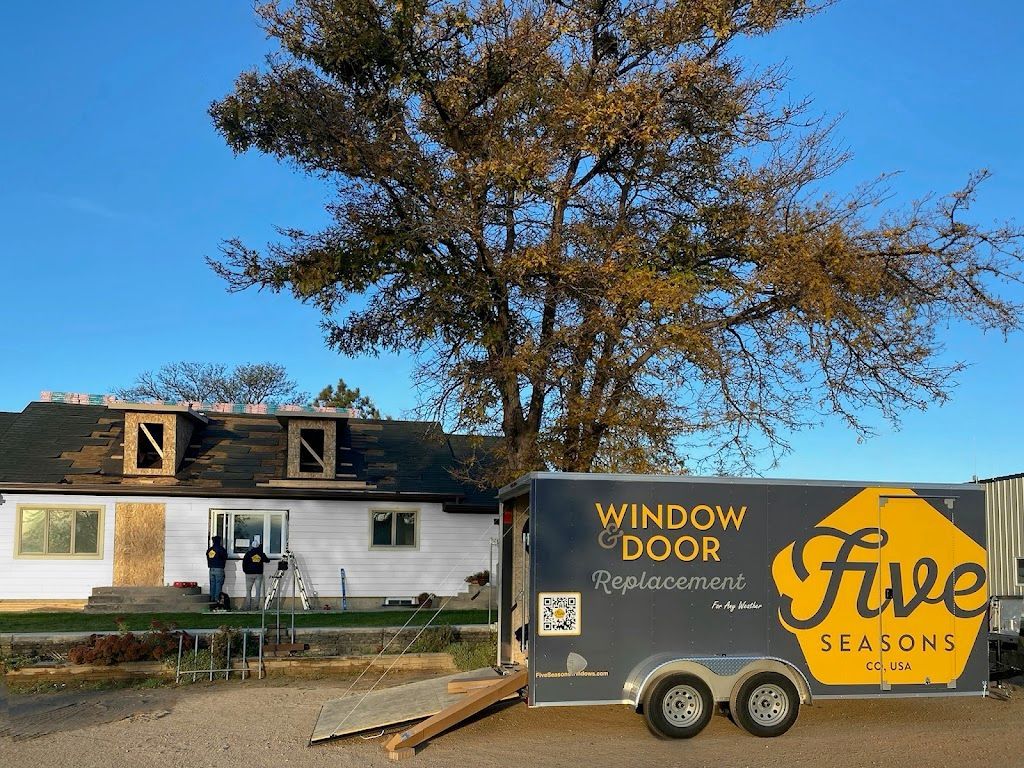
At Five Seasons Windows & Doors, we install windows year-round in Colorado, and winter is a normal part of our calendar rather than an exception. The myth that windows cannot be replaced in cold weather has a kernel of truth buried in it, because a careless winter install genuinely can go wrong. The answer is not to avoid winter altogether but to work with a crew that uses cold-rated materials, replaces one opening at a time, and has the judgment to wait out a storm when the forecast calls for it.
Our experience in Denver's climate shapes how we approach these projects. We stage materials so they are ready the moment an opening is exposed, we keep the work area dry and protected, and we watch the forecast to schedule around the worst of the cold snaps rather than pushing through them. We work with frame materials proven in Colorado conditions, including Anlin vinyl windows, Marvin within specific product lines like Elevate and Essential, and ProVia doors, and we make sure any new window meets the state's current Energy Star Northern Climate Zone requirement.
What we would tell any homeowner weighing a winter project is to focus less on the calendar and more on the crew. The season is workable. The real variable is whether the people doing the work understand cold-weather installation and communicate clearly when weather forces a change. Get that part right, and a January window replacement can be just as solid as one done in June, with the added benefit of a tighter, warmer home for the rest of the winter.
Final Takeaway
Winter window replacement in Denver is not only possible, it is routine for crews that know how to do it. A snowstorm can pause the work, and genuinely severe cold or active heavy snow are real reasons to wait for a better day. But the underlying belief that cold weather makes installation impossible does not match how the work is actually performed, with cold-rated materials, a one-window-at-a-time method, and careful site management keeping both the home and the result protected.
For homeowners, the season carries some real advantages worth weighing. Off-peak scheduling tends to be more flexible than the spring and fall rush, a failing window stops costing you heat sooner, and a correctly executed cold-weather install is just as durable as a summer one. The key is choosing an experienced local crew that treats winter conditions as a known quantity rather than a gamble.
Denver's winters are demanding, and so are the windows that have to stand up to them. Replacing a failing window in the middle of that season, done properly, means spending the rest of the winter more comfortable and the years after that more efficient. The myth says wait. The practical reality is that, with the right crew and a cooperative forecast, there is rarely a good reason to.
Get Started Today
Five Seasons Windows & Doors is Colorado’s top-rated local window company with 230+ 5-star reviews. We offer expert advice, no-pressure quotes, and flexible project options — including phased installs. Schedule your consult today.