

Triple-pane windows are worth the extra investment in a narrow set of Colorado situations: high-elevation homes facing severe, prolonged cold, and rooms where condensation resistance matters most. For the majority of Front Range homes, a quality double-pane unit with an upgraded glass package captures most of the benefit at a lower cost. This is especially true for noise, where a third pane helps far less than most homeowners expect, and where laminated or dissimilar-thickness glass in a double-pane unit typically outperforms it.
The pitch for triple-pane is intuitive. If two panes insulate better than one, three should be better still. That logic holds directionally, but the size of the gain and the cost of getting there are where the decision actually lives.
This guide covers what a third pane genuinely does, the tradeoffs that rarely come up in a sales conversation, why the noise question usually has a different answer than people assume, and the specific Colorado situations where triple-pane earns its price.
What a Third Pane Actually Does
The Insulation Gain Is Real but Front-Loaded
Adding a third pane creates a second sealed air space, and each additional barrier slows conductive heat transfer. Triple-pane units achieve lower U-factors than comparable double-pane units, meaning better insulation. In very cold conditions, this translates into warmer interior glass surfaces and less heat loss.
The complication is that window efficiency gains are heavily front-loaded. The jump from single-pane to double-pane is enormous, transforming a barely-insulating sheet of glass into a genuine thermal barrier. The jump from double to triple is real but far smaller, because the first insulating air space already captured most of the available benefit.
This is why the decision cannot be made on direction alone. Triple-pane is better. The question is whether it is enough better, in your specific home, to justify what it costs.
Where the Third Pane Helps Most
The benefit of triple-pane scales with the severity of the temperature difference it has to manage. In a mild climate, the improvement is nearly academic. In sustained deep cold, it becomes tangible.
Two effects matter here. The first is straightforward heat retention over a long heating season. The second is interior glass surface temperature, which drives both comfort and condensation. A triple-pane unit keeps the inner pane warmer, which reduces the cold-glass sensation near windows and lowers the likelihood of interior condensation forming during extreme cold.
For Colorado, this means the case for triple-pane strengthens considerably as elevation rises and winters lengthen. A home in Summit County faces a fundamentally different thermal problem than a home in Lakewood.
The Tradeoffs That Rarely Come Up
Weight Changes the Whole Assembly
A third pane of glass adds substantial weight to every unit. That weight has consequences beyond the obvious installation logistics.
Heavier sashes place more load on hinges, balances, and locking hardware. Over years of operation, that additional load can accelerate wear on moving parts, particularly in larger operable units. Frames must be engineered to carry the weight without sagging or racking, which is part of why triple-pane is not simply an option to be checked on any window.
The practical effect for homeowners is that triple-pane makes more sense in fixed and smaller operable units than in large casements or heavy sliding doors, where weight compounds fastest.
The Cost Premium and What It Displaces
Installed window costs in Colorado generally run from around $750 to $3,000 or more per window, depending on size, material, glass package, and the complexity of the opening. Triple-pane sits toward the upper portion of that range, carrying a meaningful premium over a comparable double-pane unit. Across a whole house, that premium compounds into a significant number.
The premium is worth evaluating against what the same money could buy elsewhere in the project.
This is the calculation most often skipped. A homeowner weighing triple-pane against double-pane is usually not choosing between a good window and a bad one. They are choosing between a third pane and something else the budget could cover, whether that is an upgraded glass package, better frame material, more windows replaced in the same phase, or attic insulation that may deliver more comfort per dollar than any window upgrade.
Framing the decision as an allocation question rather than a quality question tends to produce better outcomes.
Altitude Adds a Complication
Colorado introduces a consideration most national comparisons omit. Sealed insulated glass units trap air or gas at their manufacturing elevation, and installing them substantially higher creates a pressure differential that pushes outward on the glass.
A triple-pane unit has two sealed spaces rather than one, which means more sealed volume subject to that differential. At elevations where pressure management becomes necessary, this interacts with how the units are built and whether capillary tubes are required, which in turn affects whether insulating gas fills can be retained.
The practical point is that adding panes at high elevation is not a simple upgrade. It should be specified by someone who understands how pane count, pressure equalization, and gas retention interact at your specific altitude.
The Noise Question Usually Has a Different Answer
Why Triple-Pane Underdelivers on Sound
A large share of homeowners who ask about triple-pane are actually asking about noise. Traffic, aircraft, a busy road, a neighbor's dog. The assumption is that more glass means more sound blocked.
Published sound transmission ratings tell a more complicated story. The measured gain from a third pane is modest, not the transformation most people expect from the cost difference.
There is a structural reason for this. Sound dampening benefits from distance between panes, and a triple-pane unit fits three panes into a frame depth that previously held two. The spaces between panes get narrower, which works against acoustic performance even as it helps thermal performance. The two goals are not aligned.
What Actually Reduces Noise
Two glass strategies outperform pane count for sound, and both are available in double-pane units.
The first is dissimilar glass thickness. Using two panes of different thicknesses causes each to attenuate different sound frequencies, and published ratings for this configuration are comparable to standard triple-pane. The second is laminated glass, where a resin interlayer between glass layers absorbs sound energy. Laminated configurations typically rate higher than standard triple-pane for sound, with the additional benefit of blocking the large majority of ultraviolet light.
For a homeowner whose primary complaint is noise, this reframes the decision entirely. The money that would buy a third pane often buys better acoustic performance when spent on the glass itself.
When Triple-Pane Genuinely Earns Its Cost
High-Elevation and Severe Cold
The strongest case is a home at high elevation facing a long, severe heating season. Where winter temperatures run consistently harsh and the cold season extends across much of the year, the improved insulation compounds over enough hours to matter both in comfort and in energy use.
This is a genuinely different situation from a Front Range home. A property in the high country experiences a thermal load that a Denver-area home does not, and the incremental benefit of a third pane grows accordingly.
Condensation-Prone Rooms and Specific Exposures
The other solid case is targeted rather than whole-home. Rooms that experience persistent interior condensation during cold snaps benefit from the warmer inner glass surface a triple-pane unit creates, since condensation forms when glass drops below the dew point of the surrounding air.
Similarly, a north-facing wall that never receives warming sun, or a room used as a bedroom or office where cold-glass discomfort is felt daily, may justify triple-pane in those specific openings even when the rest of the house does not.
Treating triple-pane as a targeted tool rather than a whole-house upgrade often makes the budget work while capturing most of the benefit.
What We See in the Field
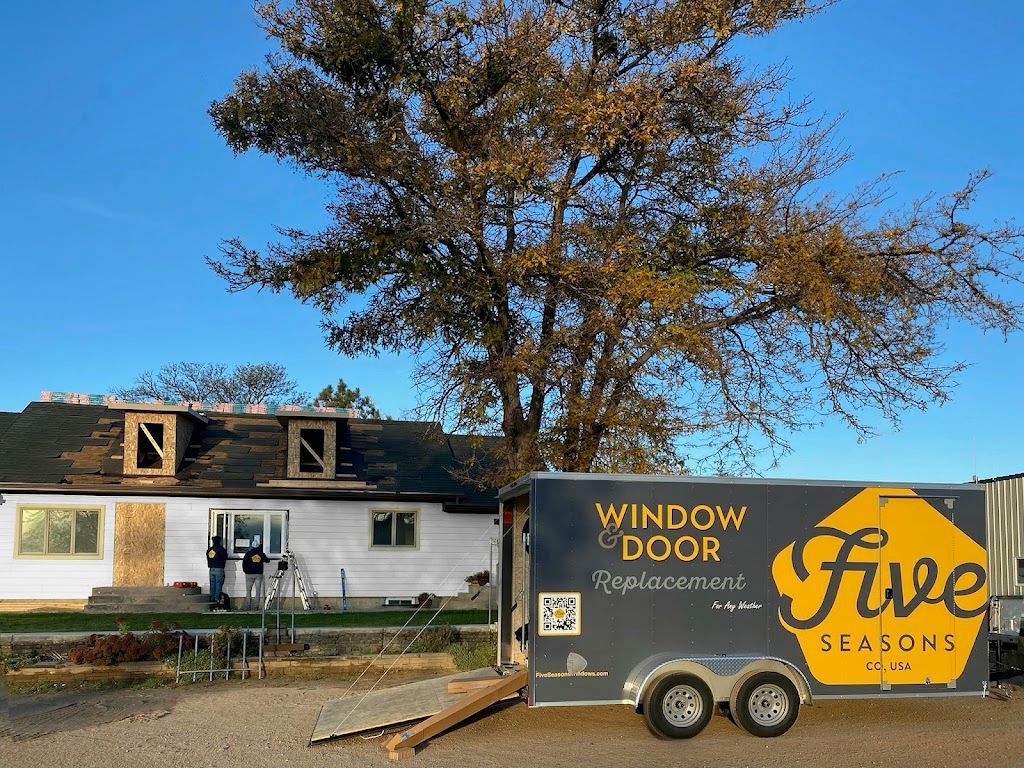
Homeowners who come to us asking about triple-pane are usually describing a problem rather than requesting a product, and that problem is most often noise or a cold room. Once we work through what is actually causing it, the solution frequently turns out to be a glass package rather than a third pane.
That pattern shows up in what customers ultimately choose. Homeowners dealing with road noise or intense sun exposure regularly end up with an upgraded glass package on a double-pane unit, whether that is a sound package or a high-UV-blocking coating. On at least one job, the sound package went on every opening in the house rather than only the street-facing rooms. We have also had customers arrive having done extensive independent research before ever calling us, including one who worked in the insulation industry and had already reached conclusions about glass and altitude performance.
The other field reality worth naming is that the window is only part of the equation. We have been called back on projects where the underlying problem was at the opening rather than the glazing, including a patio door that leaked because the weep holes had not been popped out, and basement windows that let water in before they were properly foamed and secured. Installation detail, weep hole function, foaming, and perimeter sealing all affect what a homeowner actually experiences. A third pane will not compensate for an opening that was not sealed correctly, which is one reason we would rather discuss the full assembly than sell a pane count.
People Also Ask About Triple-Pane Windows
Are triple-pane windows worth it in Colorado?
For most Front Range homes, a quality double-pane unit with an appropriate glass package captures most of the available benefit at lower cost. Triple-pane makes a stronger case at high elevation where winters are severe and prolonged, and in specific rooms prone to condensation or persistent cold discomfort. The decision depends more on elevation, exposure, and the specific problem being solved than on a general preference for more panes.
Do triple-pane windows block more noise?
Less than most people expect. Published sound ratings show only a modest gain from adding a third pane. Triple-pane also fits three panes into the frame depth that held two, narrowing the spaces between panes, which works against sound dampening. Double-pane units with dissimilar glass thicknesses or laminated glass typically match or exceed standard triple-pane for noise.
How much heavier are triple-pane windows?
Meaningfully heavier, since a third full pane of glass is added to every unit. The weight increases load on hinges, balances, and locking hardware, and requires frames engineered to carry it. This matters most in large operable units such as big casements and sliding doors, where weight compounds fastest. Fixed and smaller operable units handle the additional weight more easily.
Does altitude affect triple-pane windows?
Yes. Sealed glass units trap air or gas at their manufacturing elevation, and installing them substantially higher creates a pressure differential pushing outward on the glass. A triple-pane unit has two sealed spaces rather than one, so more sealed volume is subject to that differential. At elevations requiring pressure management, this affects how units are built and whether insulating gas fills can be retained, so high-altitude specification should be handled by someone familiar with those interactions.
Should I put triple-pane in my whole house?
Usually not, unless you are at high elevation with severe winters. A more common approach is targeting specific openings where the benefit concentrates, such as rooms with persistent condensation, north-facing walls that never receive warming sun, or bedrooms and offices where cold-glass discomfort is noticed daily. This captures most of the benefit while keeping the budget available for other improvements.
Related Reading
Deciding between double and triple-pane is partly a question of where the money does the most good, and that calculation changed for Colorado homeowners when the federal window credit ended.
For what happened to the 25C credit and what incentives remain, see our article on federal tax credits for windows in Colorado.
Our Take
When a homeowner asks us about triple-pane, our first question is what problem they are trying to solve. If the answer is noise, we will usually steer toward a sound package on a double-pane unit instead, because the acoustic ratings support that choice and the money goes further. If the answer is sustained deep cold at elevation, triple-pane is a reasonable conversation.
We would rather talk someone out of an upgrade that will not deliver what they are hoping for than sell it and have them notice, two winters later, that the road is still audible. Being honest about what a product will and will not do is a large part of why customers come to us after sitting through pitches from national companies.
Final Takeaway
Triple-pane windows are genuinely better insulators than double-pane, but the improvement is smaller than the single-to-double jump that preceded it, and it comes with real tradeoffs in weight, hardware load, cost, and added complexity at Colorado's elevations. For most Front Range homes, a quality double-pane unit with the right glass package captures the majority of the available benefit.
The clearest cases for triple-pane are high-elevation homes facing severe, prolonged winters, and specific rooms where condensation or cold-glass discomfort is a persistent problem. If the underlying concern is noise, the better answer is almost always in the glass rather than the pane count, since dissimilar thicknesses and laminated configurations outperform a third pane at that job. Identifying the actual problem first, then matching the specification to it, produces better results than treating more panes as automatically better.
Get Started Today
Five Seasons Windows & Doors is Colorado’s top-rated local window company with 230+ 5-star reviews. We offer expert advice, no-pressure quotes, and flexible project options — including phased installs. Schedule your consult today.